Email Us
Peterliu@luketruck.com
Rigorous Material Inspection
Source high-grade materials from certified suppliers; conduct thorough tests for durability, corrosion resistance, and safety compliance.


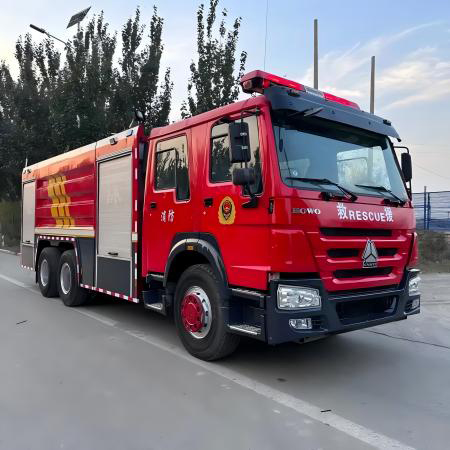
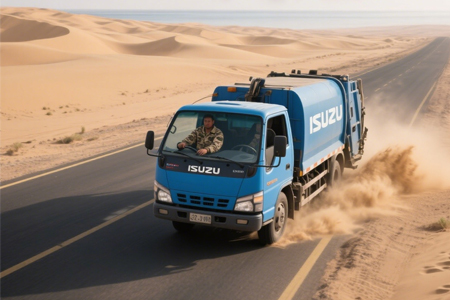
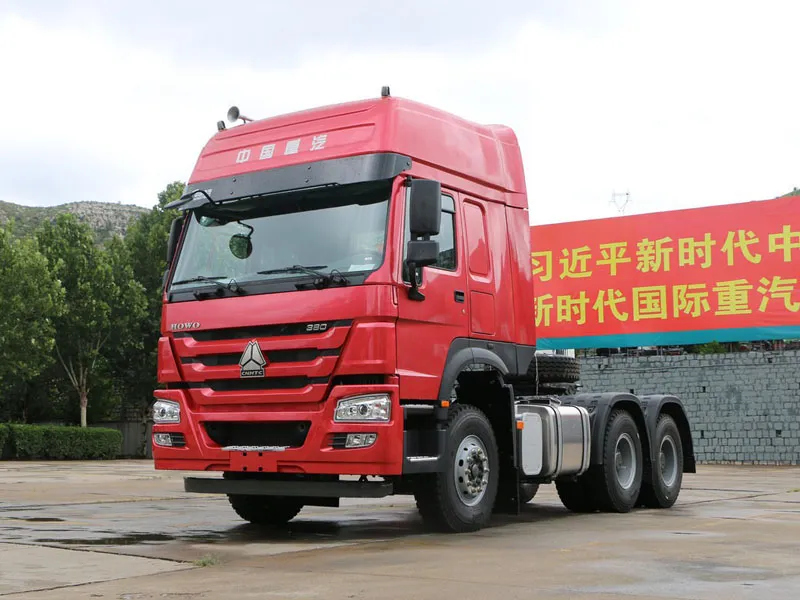
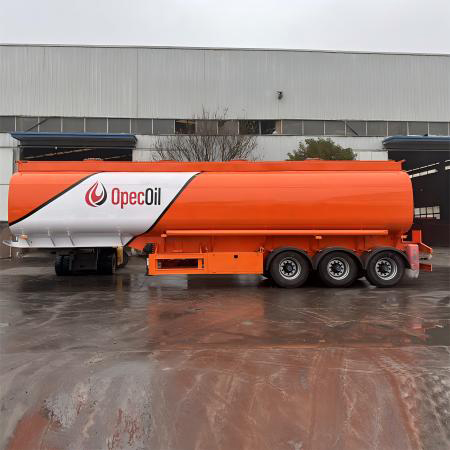
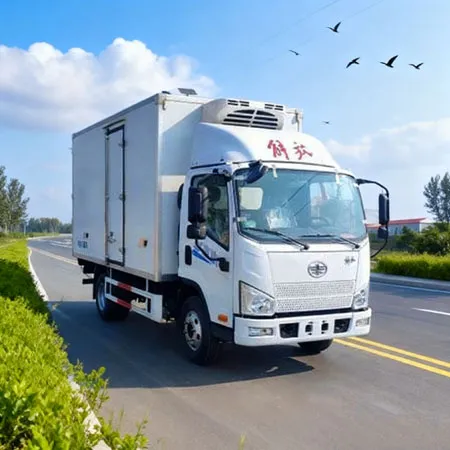
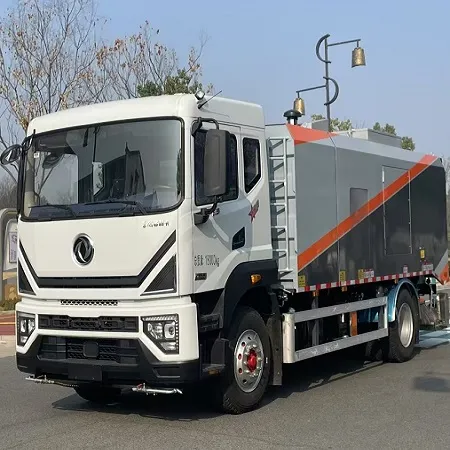
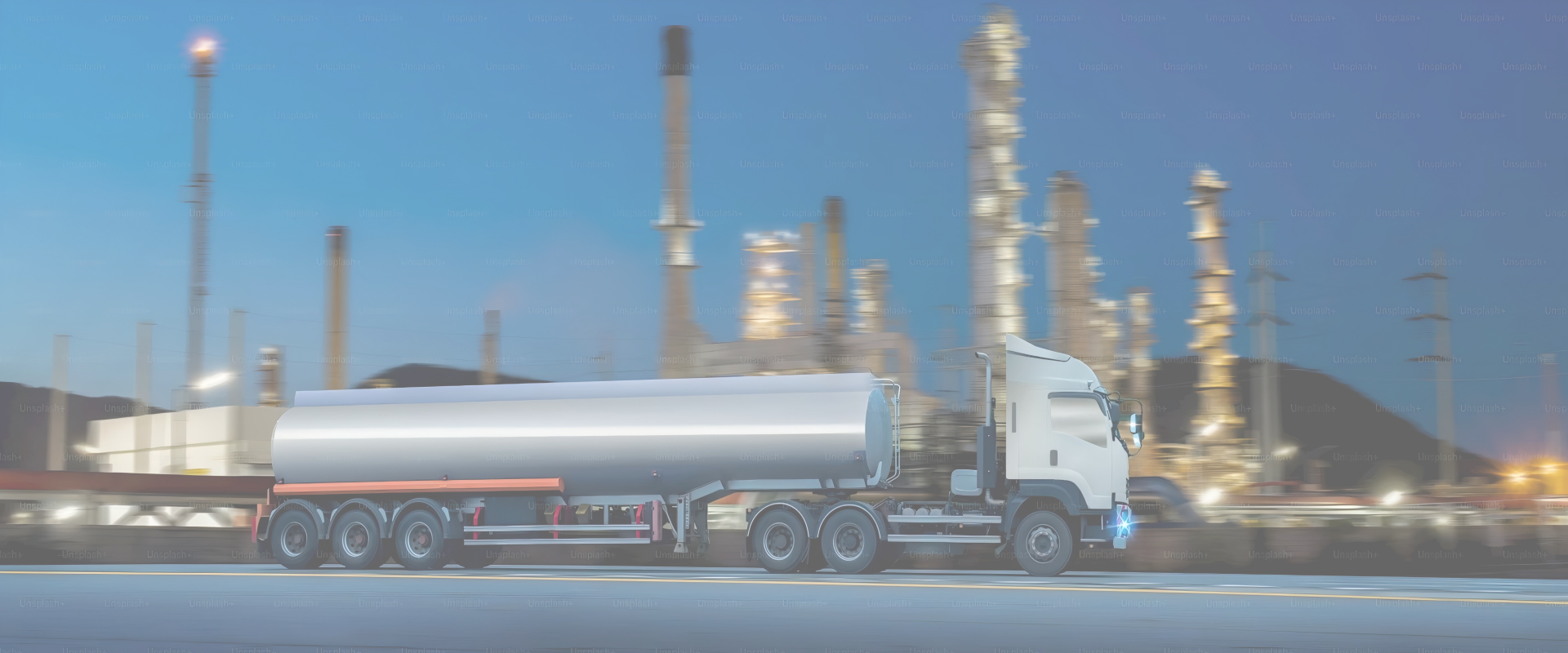
Hubei Luke Special Automobile Co., Ltd. stands out with its premium specialized vehicles. Offering 18 series and over 300 models, it caters to diverse industries like sanitation, construction, and logistics. State-of-the-art facilities and stringent quality tests ensure reliability, backed by ISO 9001 and 3C certifications. Vehicles feature robust engines (e.g., Weichai, Cummins) and high-performance equipment, optimizing operational efficiency. Competitive pricing meets superior quality. With 48-hour after-sales response, a 1-year warranty for specialized parts, and lifelong technical support, it delivers peace of mind. Your trusted partner for durable, efficient, and cost-effective trucks.

Source high-grade materials from certified suppliers; conduct thorough tests for durability, corrosion resistance, and safety compliance.

Utilize automated assembly lines with real-time quality monitoring; enforce strict protocols at every manufacturing stage to eliminate defects.

Comply with ISO 9001, 3C, and industry-specific standards; undergo regular audits to maintain global quality benchmarks.
Employ cutting-edge equipment for stress, fatigue, and performance trials; simulate harsh environments to ensure reliability.
Provide ongoing training for technicians on precision assembly and quality management; foster a culture of craftsmanship and attention to detail.
Analyze customer feedback and field data to refine designs; iterate on engineering and manufacturing for evolving industry needs.
Purpose: Match the truck to your industry (emergency response, sanitation, construction, or industrial use).
Capacity: Ensure payload, dimensions, and terrain compatibility (e.g., off-road capability for construction).
Specialized Features: Prioritize task-specific add-ons (waste compactors, rescue tools, crane arms).
Reliable Components: Opt for durable engines (e.g., Weichai, Cummins) and ISO/3C-certified parts.
Certifications: Confirm adherence to international standards (safety, emissions) for your target markets.
Regulatory Fit: Ensure compliance with local industry regulations (e.g., weight limits, safety protocols).
Total Cost: Balance upfront price with fuel efficiency, maintenance, and lifecycle costs.
After-Sales Service: Assess warranty coverage, spare parts availability, and manufacturer responsiveness.
Performance Testing: Conduct test-drives in real-world conditions to validate functionality.
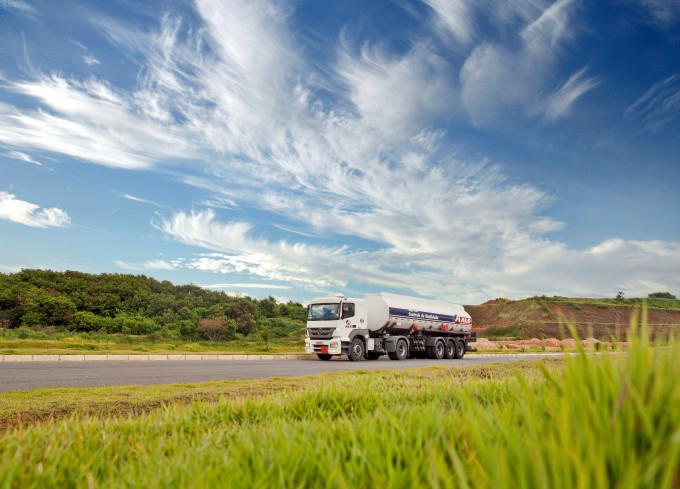
Initial Inquiry: Contact the exporter, stating truck type, quantity, and basic requirements.
Quotation Review: Receive and analyze quotes, comparing prices, features, and delivery terms.
Negotiation: Discuss details like price, payment methods, and customization options.
Contract Signing: Finalize and sign a sales contract, clarifying all terms.
Payment Arrangement: Arrange payment according to agreed-upon methods (e.g., T/T, L/C).
Production and Quality Control: The exporter manufactures trucks and conducts inspections.
Shipping and Logistics: Arrange transportation, handle customs clearance, and obtain shipping documents.
Delivery and Acceptance: Receive the trucks, inspect them upon arrival, and confirm acceptance.