
English
Hubei Luke Special Automobile Co., Ltd.
EN
Blog

Blog

15
07, 2026
Road Rescue Truck Buying Guide for Highway and Fleet Operators
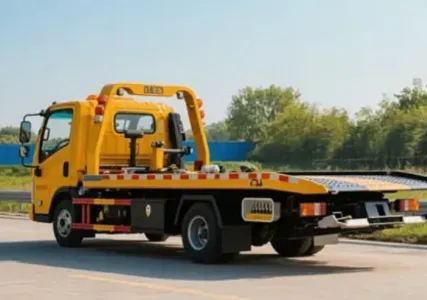
A road rescue truck is designed to provide rapid roadside assistance, vehicle recovery, emergency repairs, and traffic incident management. Choosing the right model depends on response environment, ecovery equipment, chassis configuration, fleet size, and the types of vehicles being serviced.
For highway authorities, roadside assistance companies, municipal agencies, and commercial fleet operators, minimizing vehicle downtime is a top priority. Every minute a disabled vehicle remains on the road increases traffic congestion, creates safety risks, and can disrupt business operations.
A road rescue truck is designed to respond quickly to these situations. Unlike standard tow trucks that focus primarily on transporting disabled vehicles, road rescue trucks are equipped to provide ...
13
07, 2026
Fire Truck Export Case Guide: What Buyers Can Learn from Real Delivery Videos
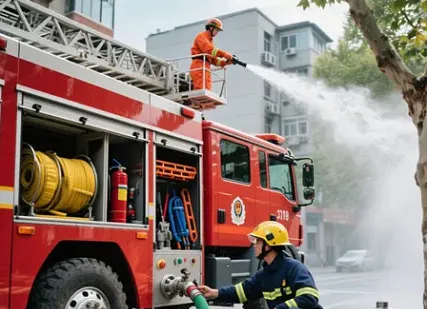
A fire truck export case video helps buyers understand how a firefighting vehicle is configured, manufactured, tested, and delivered for real-world applications. Instead of evaluating a supplier only through specifications and product photos, export buyers can learn more from actual delivery projects, including chassis selection, equipment installation, quality inspection, transportation process, and final operation conditions.
For international buyers, a successful fire truck purchase involves more than choosing a vehicle model. Different countries and industries have different requirements for road conditions, firefighting standards, climate adaptation, maintenance capability, and emergency response tasks.
12
07, 2026
Wrecker Truck Maintenance Checklist for Long-term Recovery Operations
A wrecker truck should be maintained through a structured preventive maintenance program that includes daily inspections, hydraulic system checks, winch servicing, chassis inspections, brake maintenance, and scheduled component replacements. Regular maintenance improves recovery safety, reduces downtime, extends equipment life, and lowers long-term operating costs.
These demanding tasks place continuous stress on the chassis, hydraulic systems, recovery boom, underlift, winches, suspension, brakes, and electrical components.
Without a structured maintenance program, small mechanical issues can quickly develop into costly repairs, unexpected breakdowns, or even dangerous recovery failures.
11
07, 2026
Heavy Duty Wrecker Truck Buying Guide: Capacity, Winch, and Crane Options
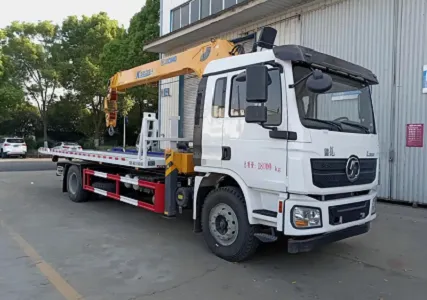
When a heavy truck, bus, trailer, or piece of commercial equipment breaks down, standard towing equipment is often not enough. These situations require stronger recovery vehicles capable of handling high loads, difficult conditions, and complex recovery tasks. A heavy duty wrecker truck is built specifically for these demanding applications. Equipped with powerful hydraulic systems, heavy-duty winches, and optional cranes, it allows operators to recover and transport large vehicles safely.
However, purchasing a heavy duty wrecker truck requires more than simply choosing the largest model available. Buyers need to consider towing capacity, recovery equipment, operating environment, and
10
07, 2026
What Information Should You Provide Before Ordering a Wrecker Truck?
Ordering a wrecker truck is very different from purchasing a standard commercial vehicle. Recovery trucks are highly specialized machines, and almost every project involves some level of customization based on the customer's operating environment, vehicle types, local regulations, and business requirements.
Many buyers focus primarily on price when requesting a quotation. However, experienced manufacturers often need much more information before they can recommend the right configuration. Missing or incomplete details may lead to inaccurate quotations, unnecessary design changes, or equipment that does not fully meet operational needs.
08
07, 2026
Shacman, Sinotruk and Dongfeng Wrecker Trucks: How to Compare Chassis Options
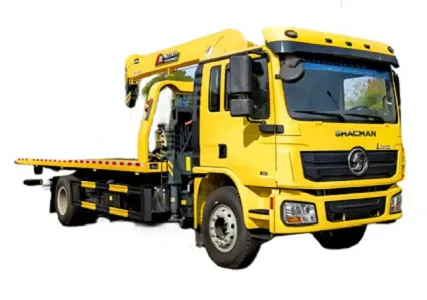
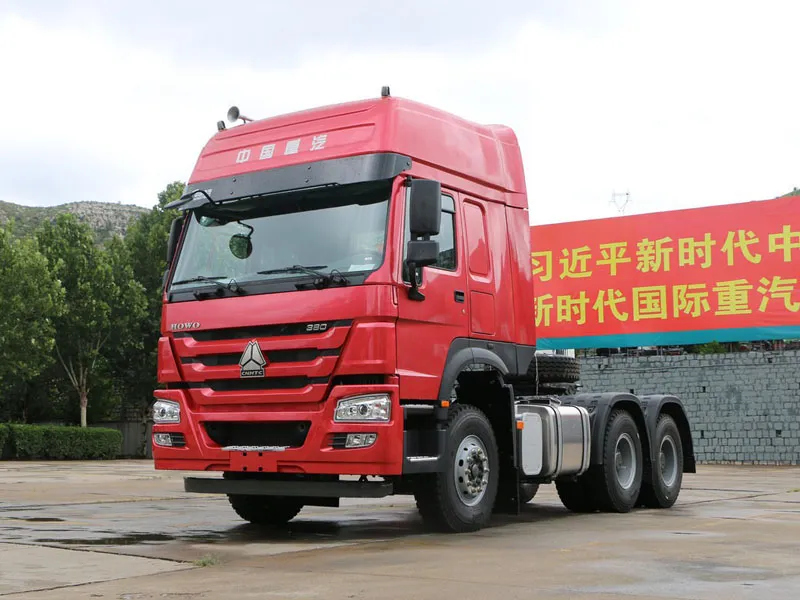
Choosing the right wrecker truck involves more than selecting recovery equipment—the chassis plays an equally important role in performance, reliability, and long-term operating costs. Among Chinese commercial truck manufacturers, Shacman, Sinotruk, and Dongfeng are three of the most popular chassis options for recovery vehicles, each offering different advantages for specific applications.
Whether you operate a towing company, manage a commercial fleet, or supply specialized vehicles, understanding the differences between these chassis can help you make a more informed purchasing decision. This guide compares their strengths in terms of payload capacity, durability, maintenance, operating costs, and typical applications, helping you choose the chassis that best fits your recovery...
06
07, 2026
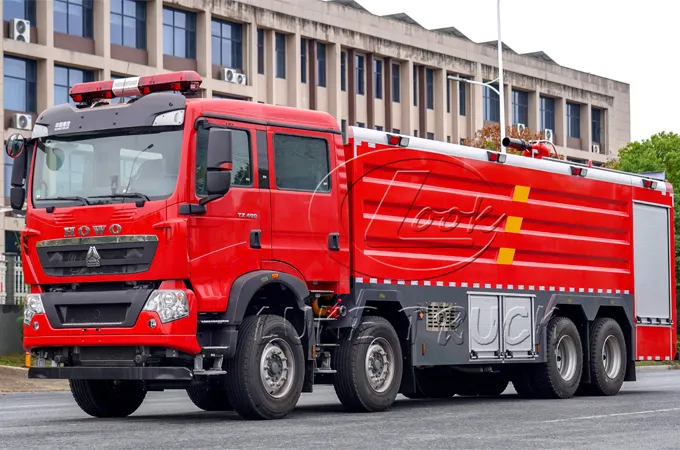
Howo Fire Truck Buying Guide for Municipal and Industrial Firefighting
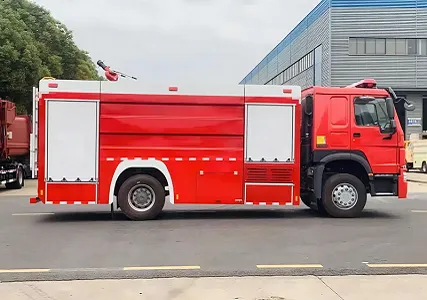
A Howo fire truck is a suitable choice for municipal and industrial firefighting operations that require a reliable heavy-duty chassis, flexible firefighting configurations, and strong load-carrying capability. For buyers, selecting the right Howo fire truck depends mainly on the application, including urban emergency response, factory protection, chemical facilities, and large-scale industrial firefighting.
Compared with compact firefighting vehicles designed for narrow roads, Howo fire trucks are commonly selected for operations that require higher capacity, longer working time, and more advanced firefighting systems. Buyers should evaluate chassis configuration, water and foam capacity, pump performance, equipment requirements, and local operating conditions before ordering.
04
07, 2026
Fire Trucks for Sale: How to Choose Water, Foam, or Rescue Fire Trucks
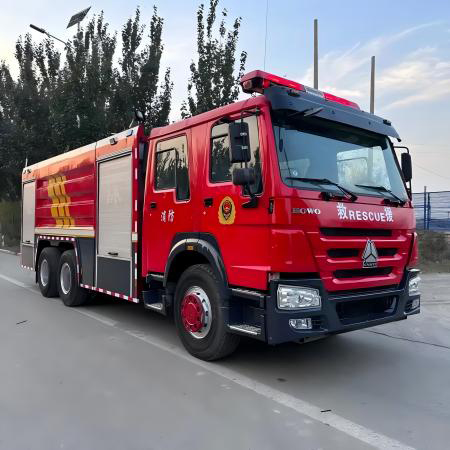
Choosing the right fire trucks for sale requires more than comparing vehicle size or water tank capacity. Different emergencies require different firefighting capabilities, and selecting the wrong configuration can reduce operational efficiency during critical situations. The three most common types of fire trucks include water fire trucks, foam fire trucks, and rescue fire trucks. While they may look similar from the outside, each vehicle is designed for specific applications.
Water fire trucks are commonly used for urban firefighting and general fire suppression. Foam fire trucks provide specialized protection for fuel, chemical, and industrial fires. Rescue fire trucks are equipped with tools and equipment for emergency rescue operations, including traffic accidents, collapsed structures, and disaster response.
02
07, 2026
Sinotruk Fire Truck Buying Guide: Chassis, Capacity and Application
A Sinotruk fire truck is a practical choice for buyers looking for a heavy-duty firefighting vehicle with flexible chassis options, reliable carrying capacity, and configurations suitable for municipal, industrial, and emergency response applications. When selecting a Sinotruk fire truck, buyers should focus on three key factors: chassis type, firefighting capacity, and the operating environment where the vehicle will be deployed.
Sinotruk, through its special-purpose vehicle divisions, provides firefighting vehicles based on different chassis platforms and configurations, including water tank fire trucks, foam fire trucks, rescue fire trucks, and other emergency response vehicles.
01
07, 2026
How Much Does a Fire Truck Weigh? Key Factors Buyers Should Know
A fire truck typically weighs between 10,000 kg and more than 40,000 kg (22,000–88,000 lbs), depending on its size, chassis type, water capacity, firefighting equipment, and application. Light-duty fire trucks may weigh around 10–15 tons, while heavy-duty water tankers, foam fire trucks, and rescue vehicles can exceed 30 tons when fully equipped.
For buyers, fire truck weight is not just a specification—it directly affects payload capacity, road requirements, fuel consumption, maneuverability, and long-term operating costs. Choosing the right weight configuration requires balancing firefighting capability with the environment where the vehicle will operate.
We use cookies to offer you a better browsing experience, analyze site traffic and personalize content. Part of the tracking is necessary to ensure SEO effectiveness,
By using this site, you agree to our use of cookies. Visit our cookie policy to learn more.
Reject Accept