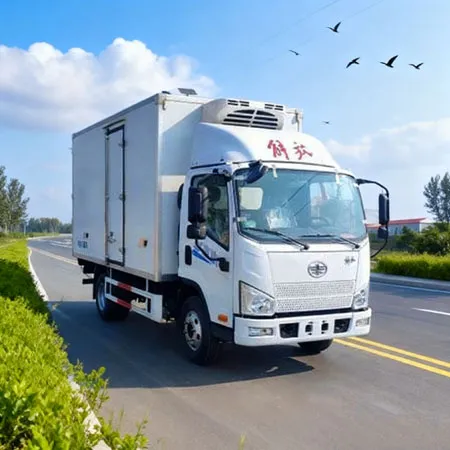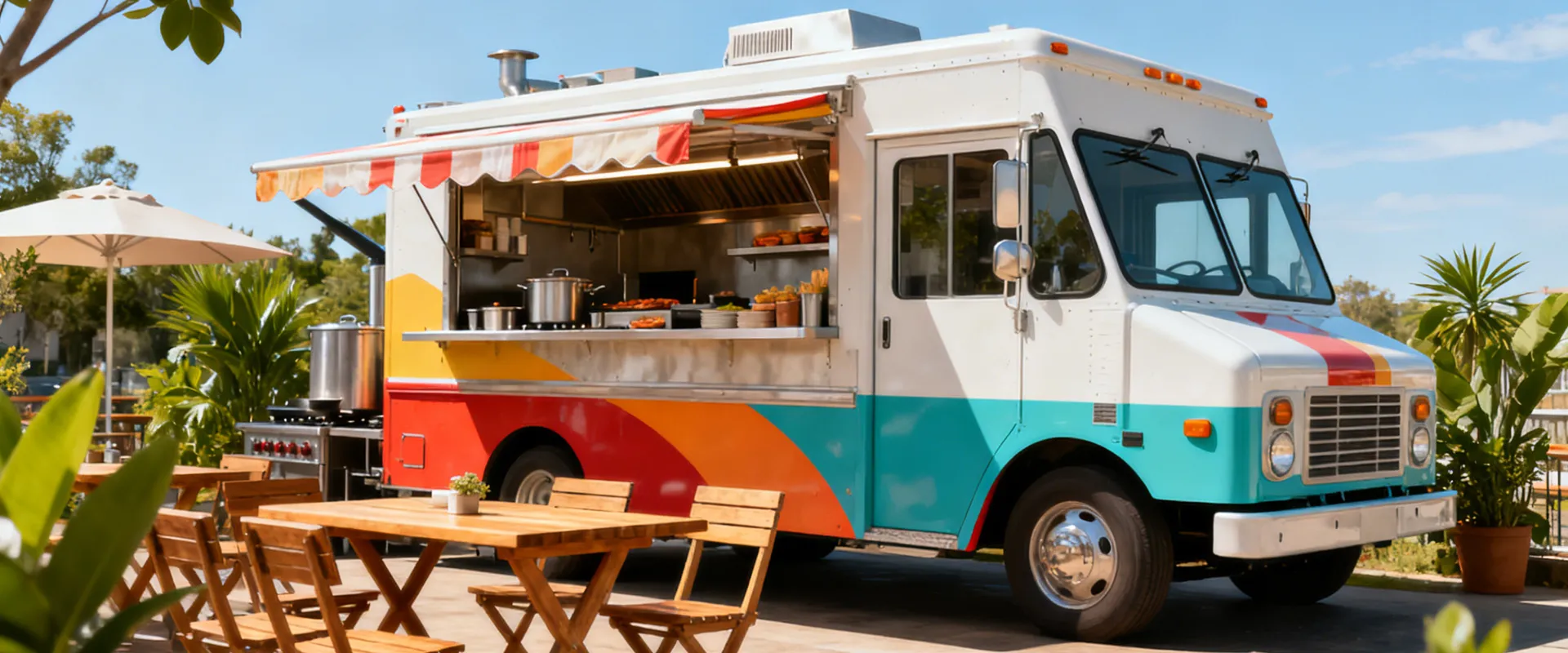
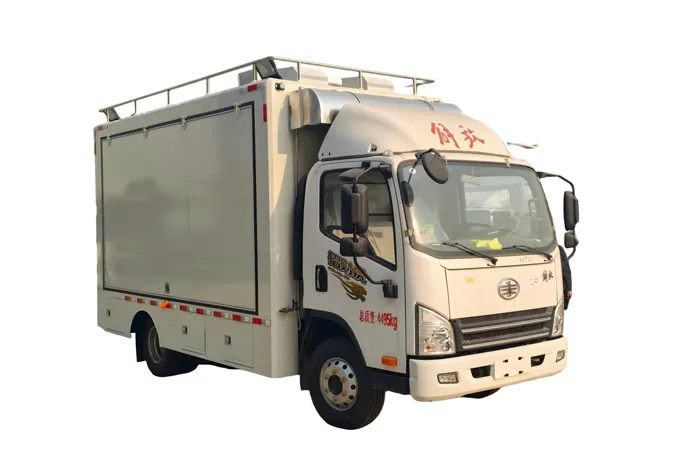
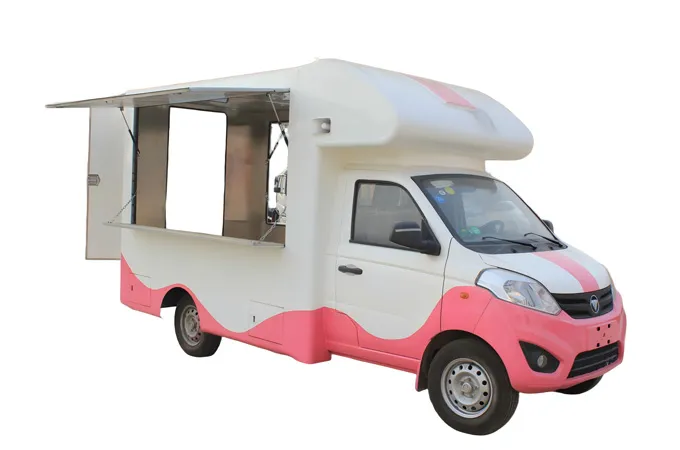
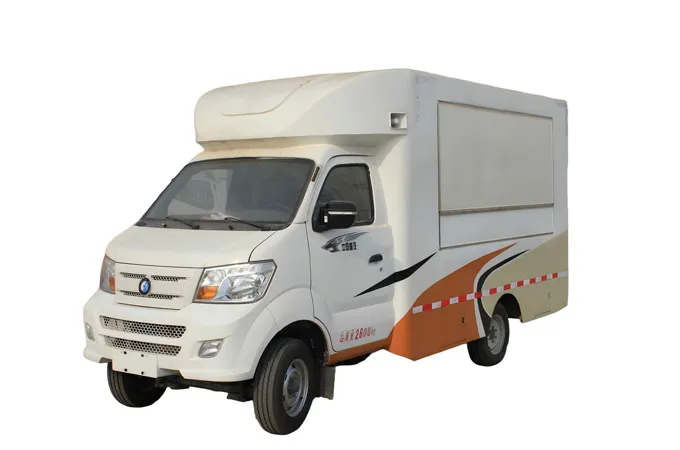
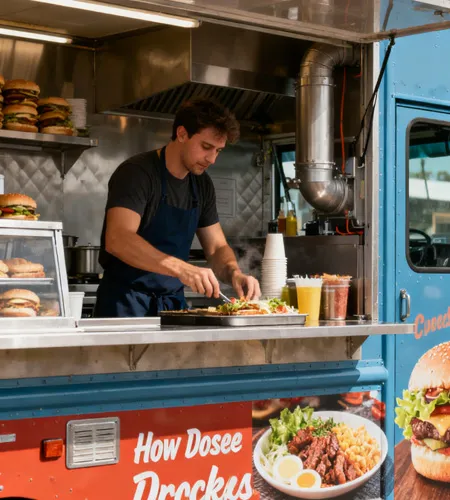
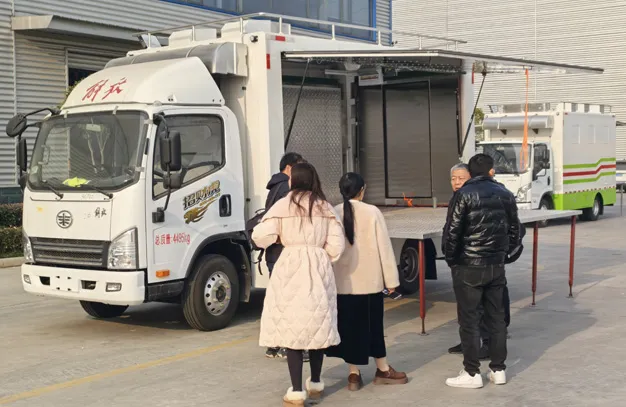

A food truck works as a mobile kitchen powered by its chassis (diesel/gas engine) for movement. Its onboard electrical system (battery, generator, or external power) runs equipment like fridges, grills, and microwaves. The insulated carriage keeps food fresh, while selling windows serve customers. It navigates urban areas, sets up quickly, and uses storage for supplies. Compliance with safety standards ensures smooth, efficient service—blending mobility and functionality to deliver food on-site at streets, fairs, or events.
1. Mobility and Market Reach: Food trucks can travel to high-traffic locations like festivals, markets, or office districts, bringing your cuisine directly to customers and expanding your reach.
2. Lower Startup Costs: Compared to traditional restaurants, food trucks require less initial investment, making them an accessible option for new entrepreneurs or small businesses.
3. Customizable Menus and Branding: Food trucks allow for tailored menus and eye-catching exterior designs to reflect your brand, attracting foodies and building customer loyalty.
4. Operational Flexibility: Easily adapt to seasonal trends, events, or customer preferences by adjusting menus or locations without the constraints of a fixed storefront.
5. Community Engagement: Food trucks create opportunities to connect with local communities at events, fostering brand recognition and customer relationships.