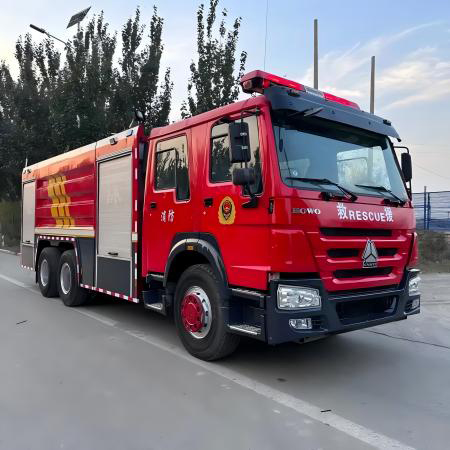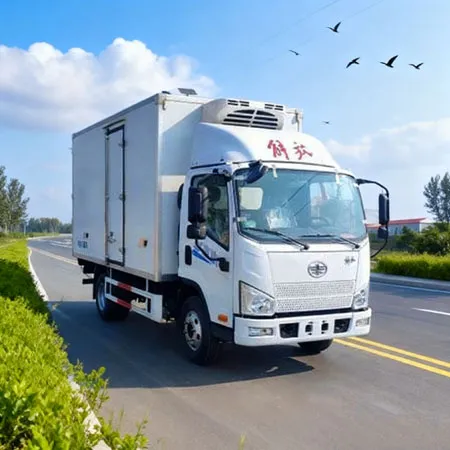
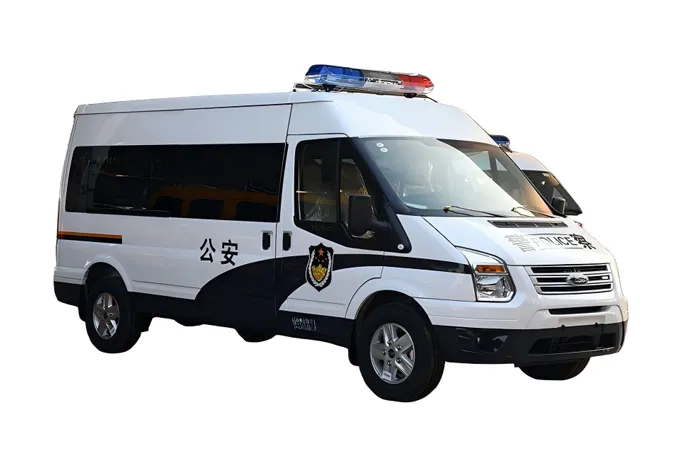
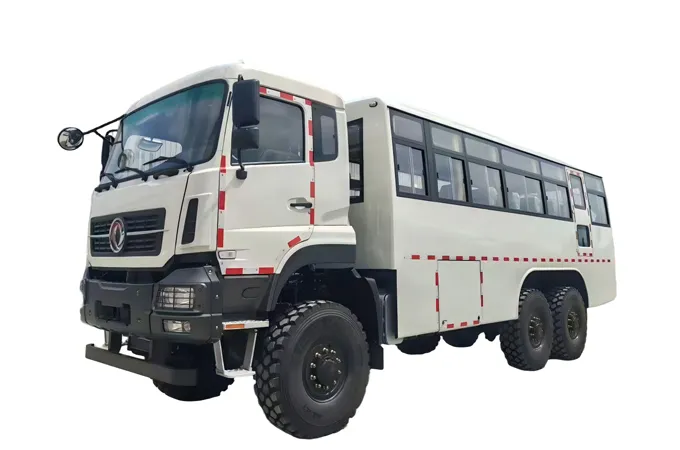
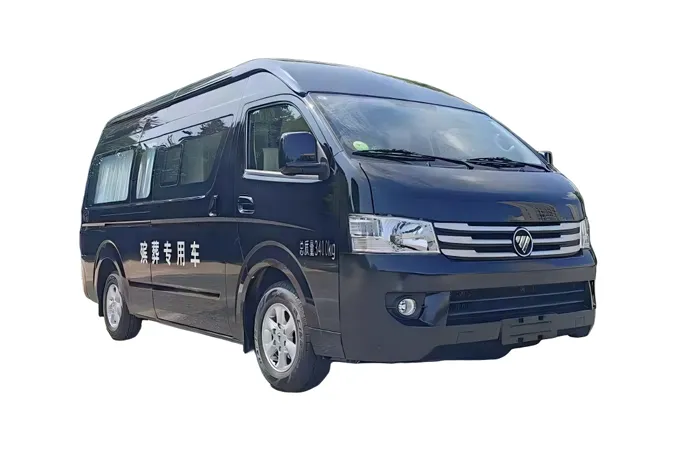
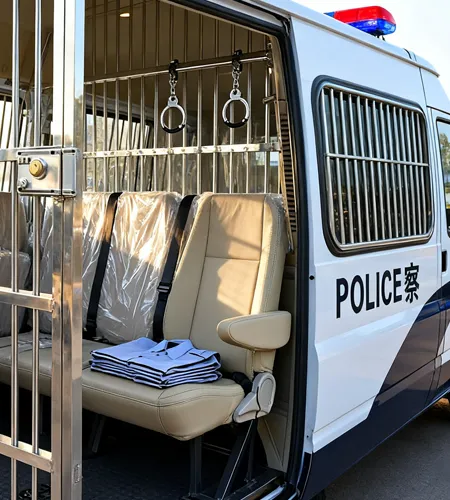
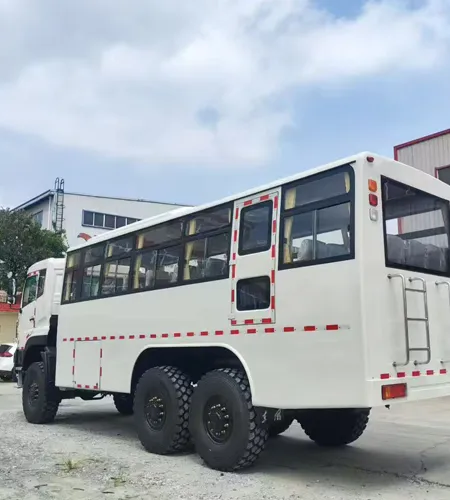
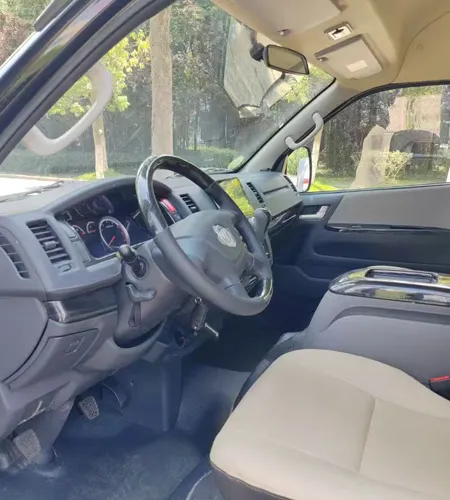

To explain how a prison van works, it focuses on secure, controlled transport of suspects or inmates. It has separated cells with stainless steel fences to prevent escapes/conflicts, plus restraint devices (handcuff/footcuff anchors) to secure detainees. A shatterproof partition divides the cockpit from cells, protecting officers. Real-time video monitoring tracks inmates, while reinforced bodies and sturdy tires handle various roads. Officers monitor via on-board controls, ensuring safe transport between police stations, courts, or prisons—prioritizing security at every step.
Prison Van may be operated by police services, correctional services, field officers, court services, federal agencies such as the United States Marshals Service, or be contracted to private security companies. Prison buses were widely used in the late 1900s to transport prisoners, especially to state prisons across the US. They were usually quite secure and offered no way of escape for transporting prisoners.
In Canada, most provincial governments have their own fleet of prison van built to specifications developed to meet their own particular needs. All vehicles, however, must meet the Canadian Motor Vehicle Safety Standards (CMVSS) to be licensed for use. These vehicles are usually built by an authorized second-stage vehicle modifier who will affix the National Safety Mark to the vehicle after completion and testing. In the past, police officers used to carry prisoners on horse-drawn wagons, but they gave way to vans in the 20th century. As well, prisoner transport is mostly done by civilian units within many Canadian police forces.
In Hong Kong, those detained by police and other agencies were once placed on open-ended lorries or prisoner carriers with two rows on benches. Today police vans are often used to carry these individuals. Hong Kong Correctional Services transport prisoners to and from court in vans, buses or trucks.
Security Design: The van should feature reinforced bodywork, escape-proof locks, and secure compartments to prevent escapes or threats.
Capacity and Layout: Choose a van with appropriate seating and internal layout to accommodate varying transport needs.
Surveillance Systems: Modern prison vans should include cameras and real-time monitoring systems for constant oversight of prisoners.
Durability and Maintenance: Opt for vans made from high-strength materials to reduce maintenance costs and extend service life.
Compliance: Ensure the van meets national or regional safety standards and legal requirements, such as those set by public security authorities.