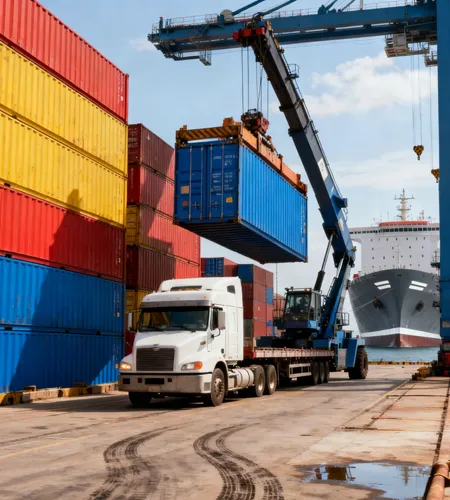

1. Freight transport:
The most common use is carrying goods such as food, consumer items, and industrial products.
2. Specialized cargo:
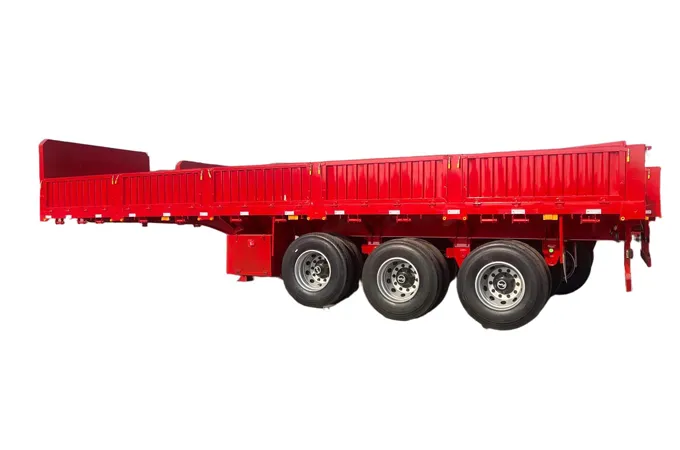
Different types of semi-trailers are designed for specific needs, including:
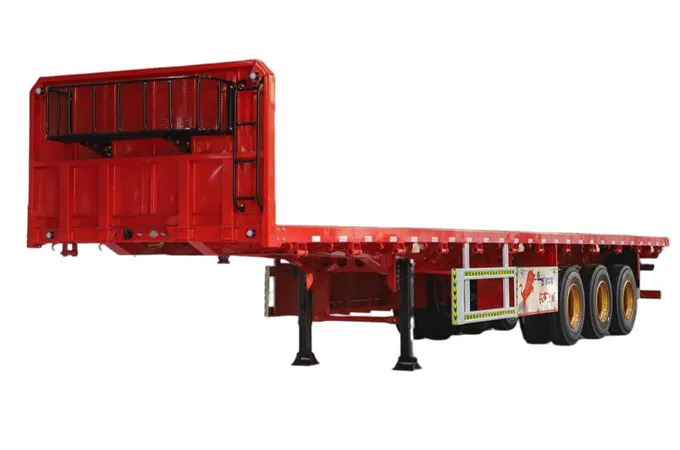
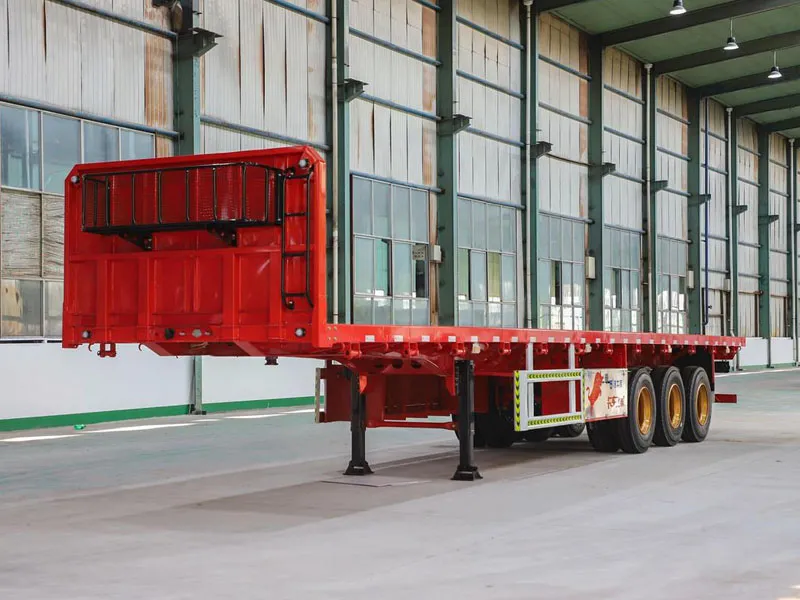
Flatbeds: For transporting oversized items or vehicles.
Box trailers: Enclosed units for general freight.
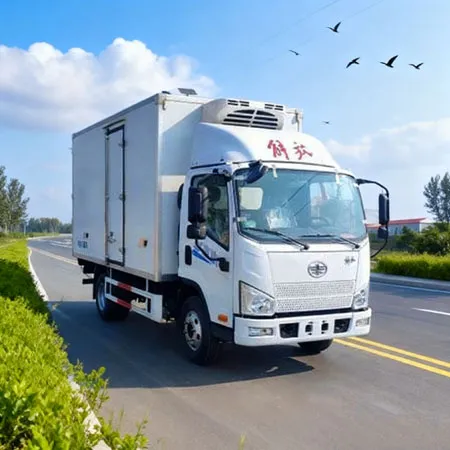
Refrigerated trailers: To transport temperature-controlled goods, like food.
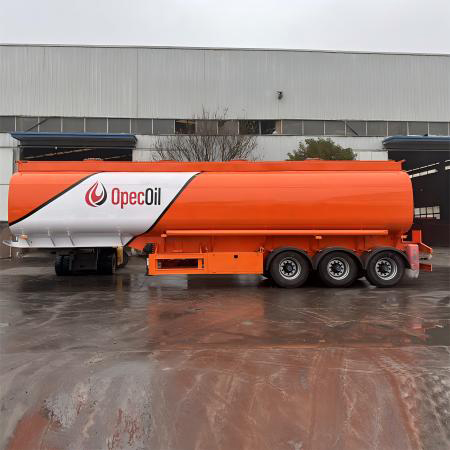
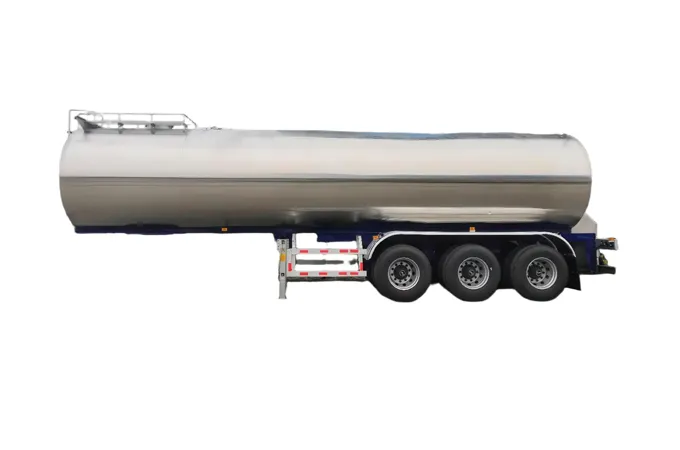
Liquid or tanker trailers: For hauling bulk liquids.
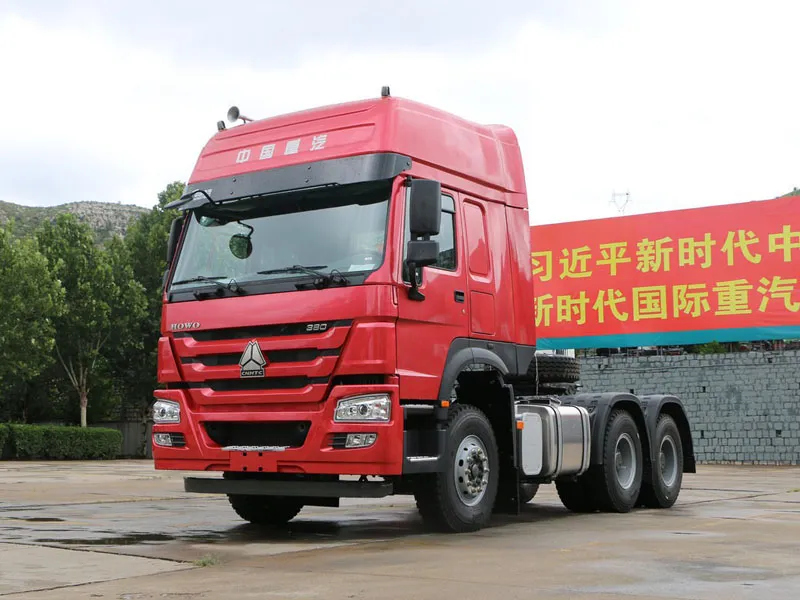
Power & Connection: Semi-trailers have no independent engine, relying entirely on a tractor unit. They connect via a fifth-wheel coupling, locking the trailer’s kingpin securely.
Weight Transfer: Landing gear (support legs) is raised, shifting the trailer’s weight onto the tractor for stable transport.
Braking: Tractor and trailer braking systems synchronize through air lines to ensure safe stopping.
Steering: The tractor’s turning directs the trailer; longer trailers require careful maneuvering.
Cargo Adaptability: Semi-trailers can haul bulk, enclosed, or irregular goods by matching tractor specifications.
Purpose: A vital component in logistics for versatile and efficient cargo transport.