English
Hubei Luke Special Automobile Co., Ltd.
EN
Bulk Feed Truck

Bulk Feed Truck

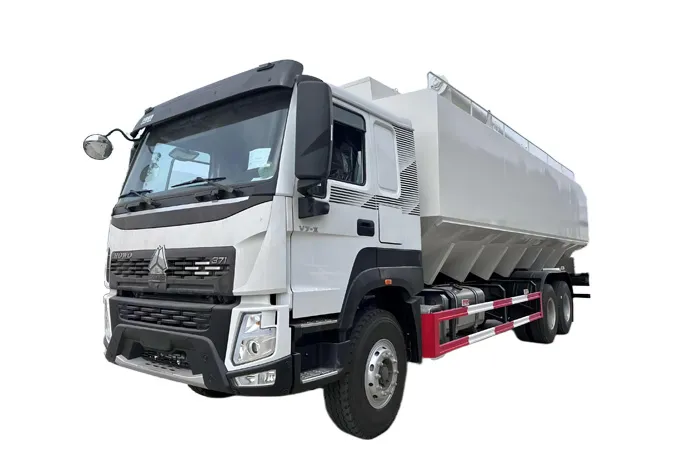
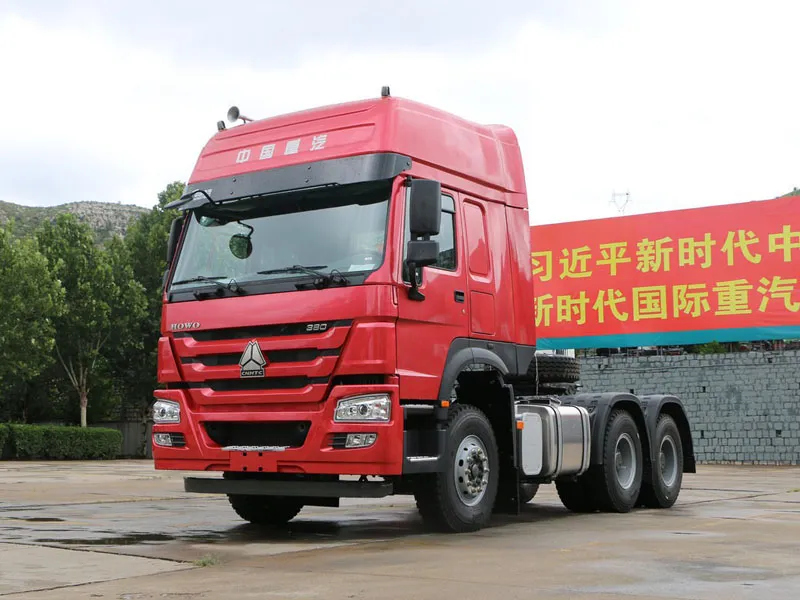
Luke Trucks’ bulk feed trucks include dongfeng 5000 liters bulk feed trucks, liugi 12000 liters bulk feed trucks, and sinotruk howo 25 cubic-meter bulk feed trucks. Designed for efficient, reliable transport of animal feed, these trucks ensure safe delivery and ease of unloading for agricultural operations.

Get a Quote

Tapes of Bulk Feed Truck for Sale

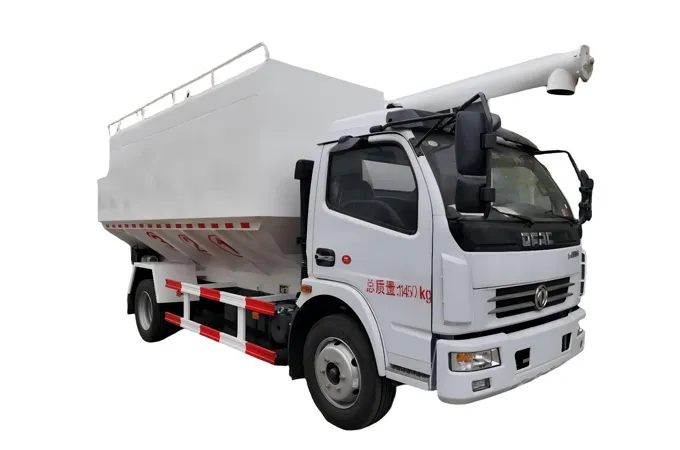
  • Dongfeng 5000liters Bulk Feed Truck

    The Dongfeng 5000-liter bulk feed truck is a reliable transport vehicle for animal feed. With a 5000L capacity, it ensures efficient, contamination-free delivery. Equipped with advanced unloading systems, it suits farms and feed plants, boasting Dongfeng’s durable chassis and stable performance for long-distance transport.
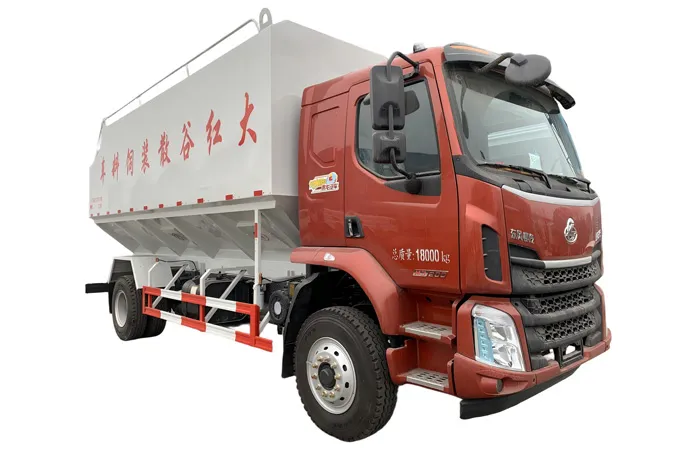
  • Liuqi 12000liters Bulk Feed Truck

    The Liuqi 12000-liter bulk feed truck excels in large-capacity transport. With pneumatic unloading (≤0.5% residue) and a durable chassis, it suits large farms, ensuring efficient, contamination-free delivery of granular/powdered feed.
  • Sinotruk Howo 25 Cubic-Meter Bulk Feed Truck

    The Sinotruk Howo 25000liters bulk feed truck boasts a large 25,000L tank. With reliable performance, it enables efficient, dust-free feed delivery, ideal for large farms and feed mills, boosting logistics efficiency.

How dose a bulk feed truck work?

How dose a bulk feed truck work?

A bulk feed truck is a specialized vehicle designed to safely transport and efficiently unload large quantities of powdered or pelleted animal feed, and its operation relies on a coordinated interplay of structural design, power systems, and control mechanisms. Here’s a step-by-step breakdown of how it works:

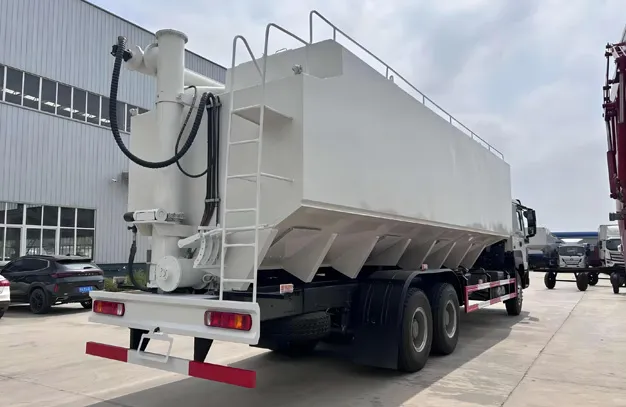
First, during the loading phase, the truck positions its feed tank (typically made of lightweight, corrosion-resistant materials like aluminum alloy) beneath a feed silo or loading station. The tank often features a segmented or open-top design (with a secure cover for transportation) to accept bulk feed—gravity or a auxiliary loading auger (if equipped) guides the feed into the tank, filling it up to its rated capacity (e.g., 25 cubic meters for the Sinotruk Howo model). Many tanks also have sloped bottoms to prevent feed accumulation and ensure smooth discharge later.

Next, during transportation, the tank’s sealed structure and secure covers prevent feed from being contaminated by dust, rain, or external debris. The truck’s chassis—equipped with a robust engine, stable axles, and anti-slip features—ensures safe travel even on rough rural roads, while internal baffles (in segmented tanks) minimize feed shifting, which could affect vehicle balance.

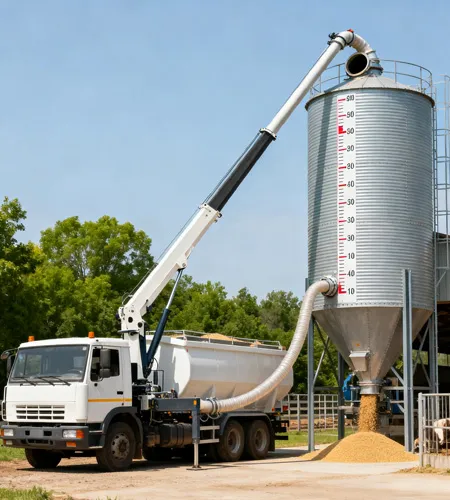
The core of the process lies in the unloading phase, powered by an electric-hydraulic or fully hydraulic system. When reaching the destination (e.g., a farm’s feed bin), the operator activates the system via a wireless remote or cab control panel. This triggers the truck’s augers—spiral-shaped metal tubes installed inside the tank or at the discharge outlet. The augers rotate to push the feed from the tank’s interior toward the discharge port; for dual-auger designs, one auger moves feed from the tank to the main discharge channel, while the second boosts it outward.

The feed is then conveyed through a flexible or telescopic discharge hose (or pipe) connected to the port, which can be adjusted to reach the farm’s feed bin—some models achieve discharge distances of up to 15 meters. The augers’ speed (controllable via the system) regulates the discharge rate (often 600–800 kg/min for heavy-duty models), ensuring precise, spill-free unloading. Once complete, the operator shuts down the augers, retracts the hose, and secures the tank’s covers, preparing the truck for its next cycle.

This integrated workflow balances efficiency, safety, and feed quality—critical for supporting large-scale livestock and poultry farming operations.
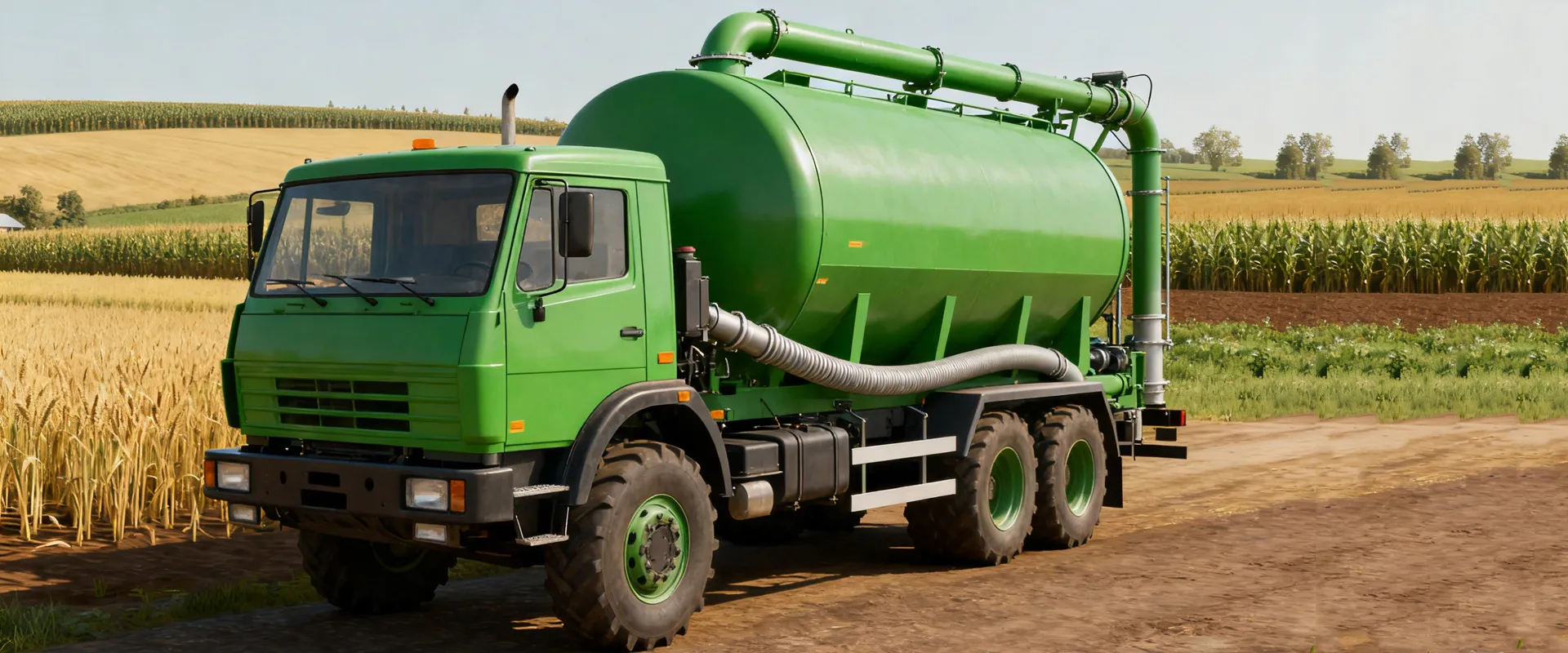
Selecting the Perfect Bulk Feed Truck for Your Agricultural Needs

Key Factors to Consider:

1. Capacity and Compartment Design: Select a truck with the right capacity for your feed volume needs and multiple compartments if you deliver different feed types, such as pellets or grains.

2. Delivery System: Choose between auger, pneumatic, or conveyor systems based on your farm’s unloading requirements and infrastructure, ensuring efficient and safe delivery.

3. Durability and Build Quality: Opt for trucks made from corrosion-resistant materials like stainless steel to withstand harsh farm environments and frequent use.

4. Fuel Efficiency and Maintenance: Consider fuel-efficient models and suppliers offering reliable maintenance support to minimize downtime and operating costs.

5. Customization Options: Look for trucks with customizable features, such as adjustable compartments or automated controls, to meet specific farm needs.

Selecting the Perfect Bulk Feed Truck for Your Agricultural Needs
Contact Us
Contact Us
Reach out for customized special purpose vehicle solutions.
Contact Info
Call Us
+86-18672224040
Address
Southeast Corner of the Intersection of North Outer Ring Road and Handan Avenue, Suizhou City, Hubei Province, China.
Request a Free Quote
We use cookies to offer you a better browsing experience, analyze site traffic and personalize content. Part of the tracking is necessary to ensure SEO effectiveness,
By using this site, you agree to our use of cookies. Visit our cookie policy to learn more.
Reject Accept