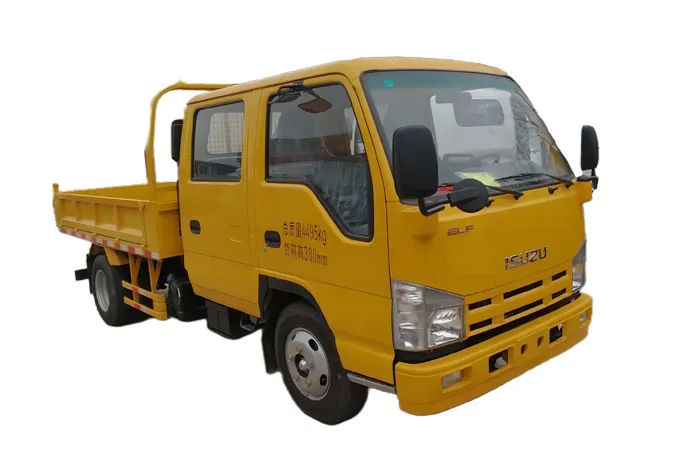
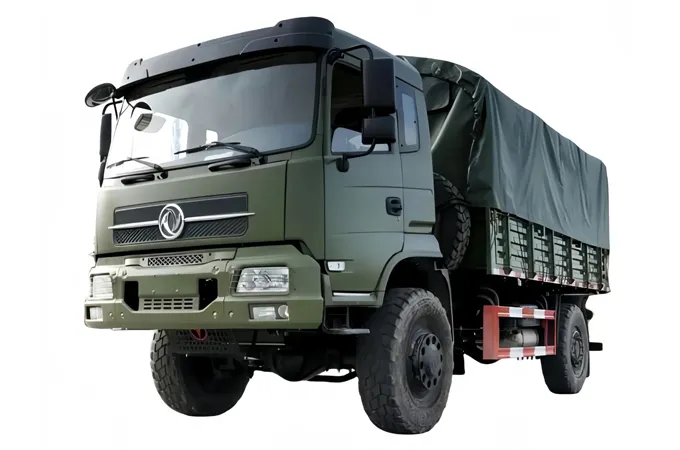
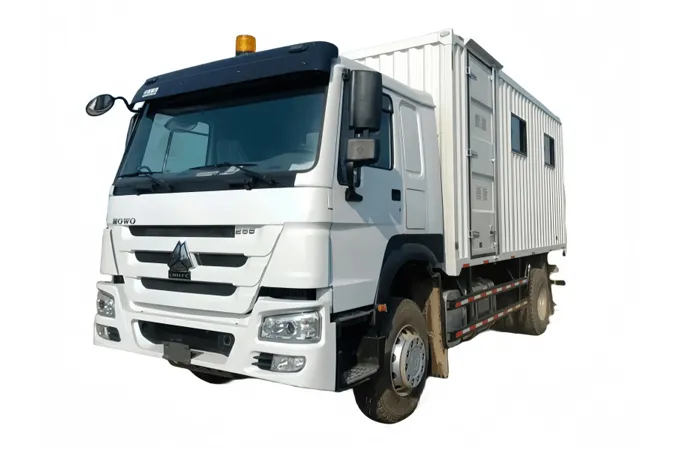
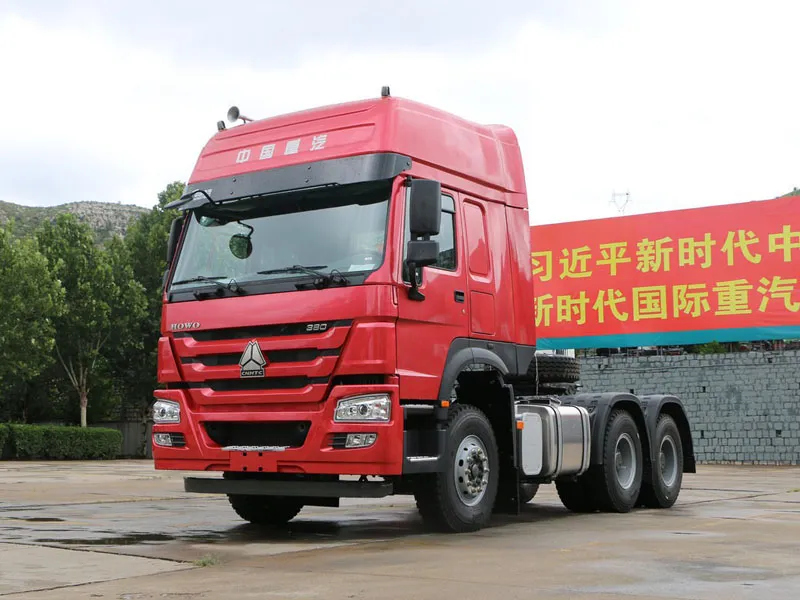
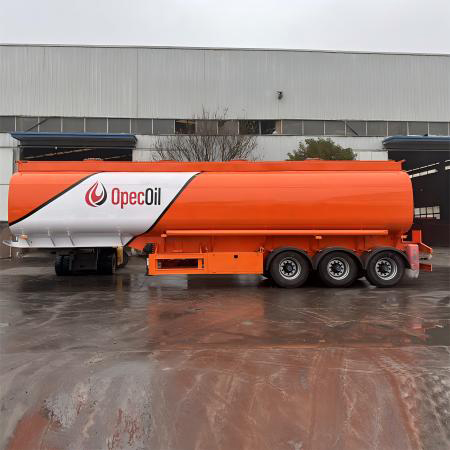
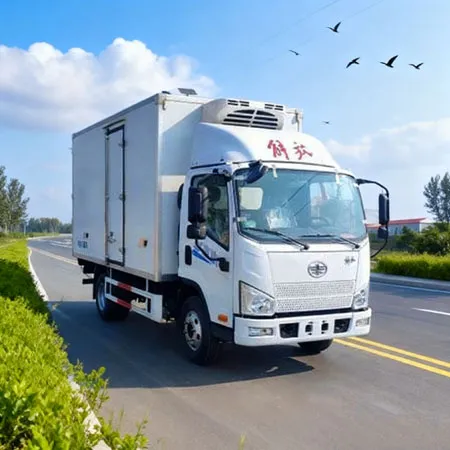
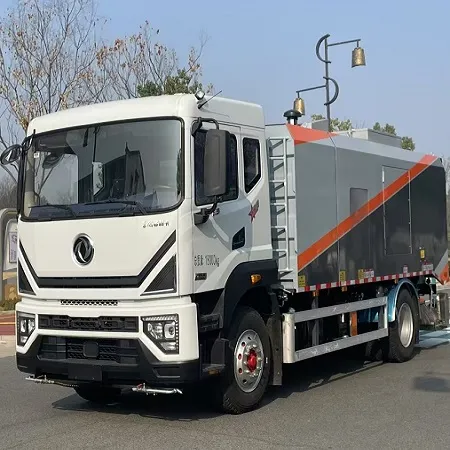
Cargo trucks are the backbone of logistics and transportation, providing reliable and versatile solutions for moving goods across short and long distances. Whether for e-commerce, manufacturing, or retail, cargo trucks offer unmatched flexibility and efficiency. Below, we explore the key advantages of using cargo trucks and how they enhance supply chain operations.
Key Advantages:
High Load Capacity: Cargo trucks come in various sizes, from light-duty vans to heavy-duty trucks, capable of carrying large volumes of goods, reducing the need for multiple trips.
Flexibility in Routes: Unlike rail or air transport, cargo trucks can navigate diverse routes, including rural areas, ensuring door-to-door delivery.
Cost Efficiency: Cargo trucks are more cost-effective for short to medium distances compared to air or sea freight, making them ideal for regional logistics.
Customizable Features: Many cargo trucks offer customizable options like refrigerated units, flatbeds, or enclosed trailers, catering to specific cargo needs such as perishables or oversized items.
Reliability and Speed: With advancements in GPS and fleet management systems, cargo trucks ensure timely deliveries with real-time tracking for better logistics planning.