
Choosing the right tractor is critical for optimizing farm operations and ensuring long-term productivity. With various models, sizes, and features available, making an informed decision can significantly impact your farm’s success. Here’s a guide to help you select the ideal tractor for your specific needs.
Key Factors to Consider:
Farm Size and Tasks: Small farms may need compact tractors for tasks like mowing or tilling, while large farms require high-horsepower models for heavy-duty plowing or harvesting.
Horsepower Requirements: Match the tractor’s horsepower to your tasks. For example, 20-50 HP suits small farms, while 100+ HP is ideal for large-scale operations.
Attachments and Compatibility: Ensure the tractor supports attachments like loaders, backhoes, or seeders to meet your farm’s diverse needs.
Technology Features: Look for tractors with modern features like GPS, automated controls, or fuel-efficient engines to enhance productivity and reduce costs.
Maintenance and Support: Choose a reputable brand with accessible spare parts and reliable after-sales support to minimize downtime.
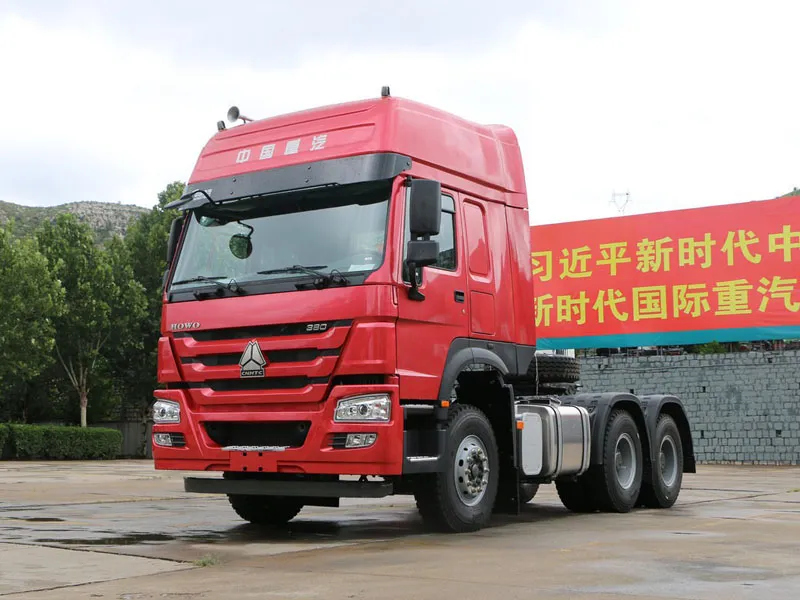
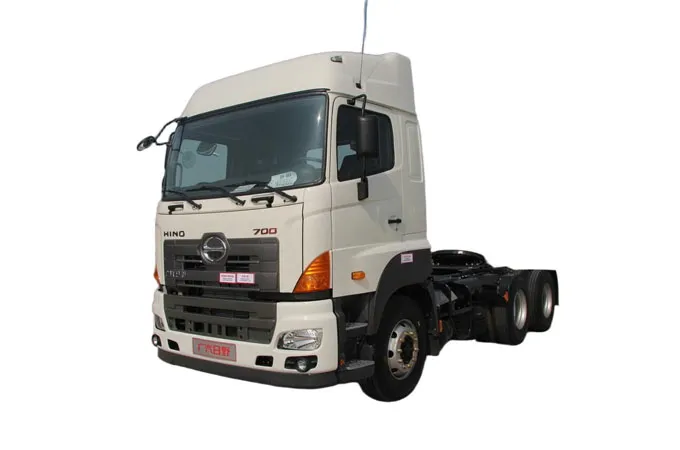
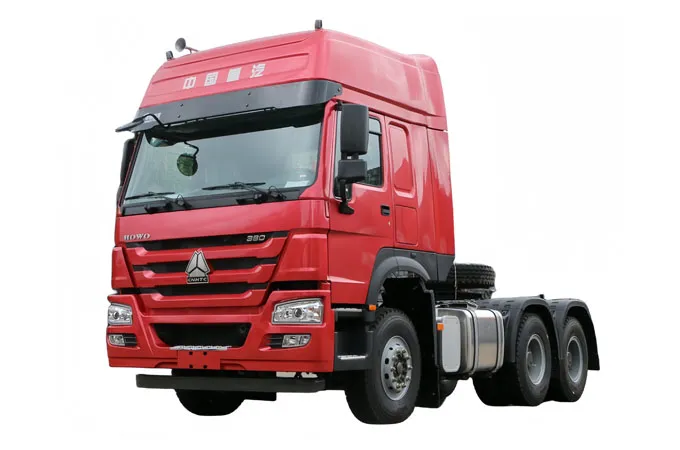
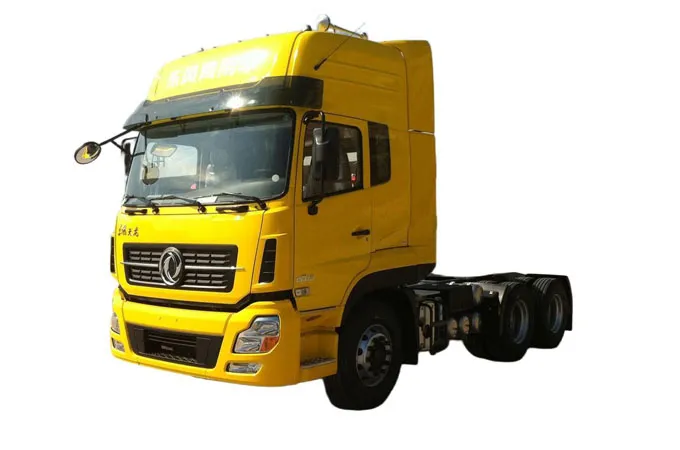
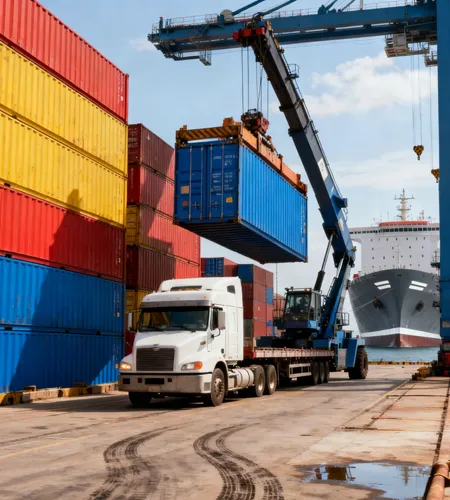
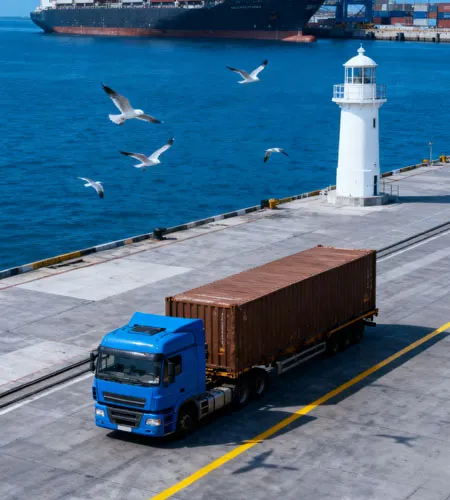
Core Role: Pulls heavy trailers by transferring engine power to the wheels.
Power Transmission: Diesel engine generates rotational force, sent to the transmission to adjust speed and torque.
Drive Axles: Transmission delivers power to rear axles, turning wheels to move the tractor.
Steering & Braking: Driver guides direction via steering; EBS/ABS brakes ensure safe stopping.
Stability & Control: Air suspension stabilizes loads; cab controls (cruise, infotainment) aid operation.
Coordination: Engine, transmission, and control systems work together for efficient long-haul or heavy-load transport.