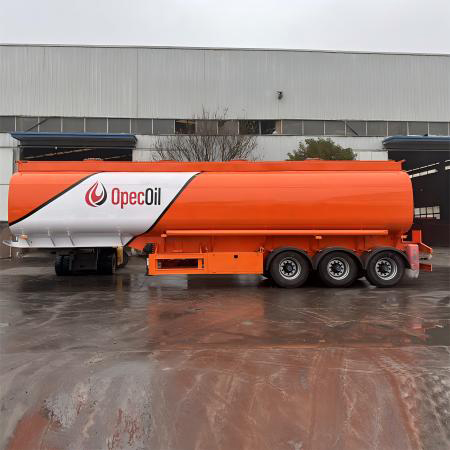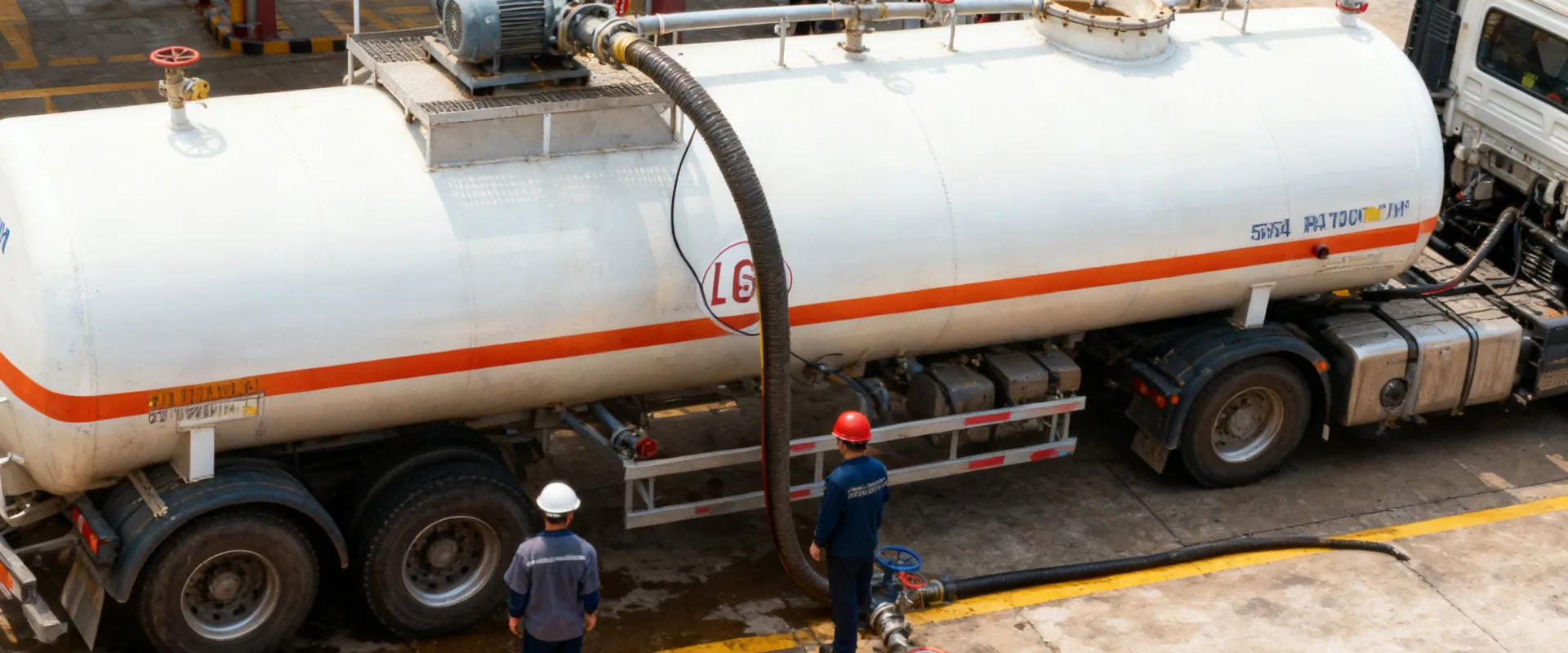
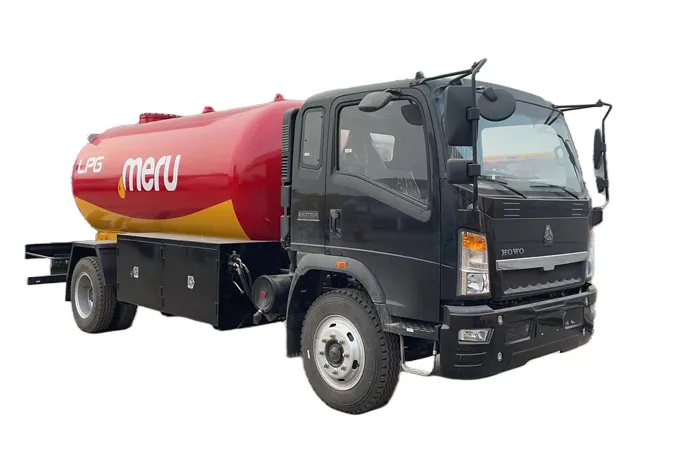
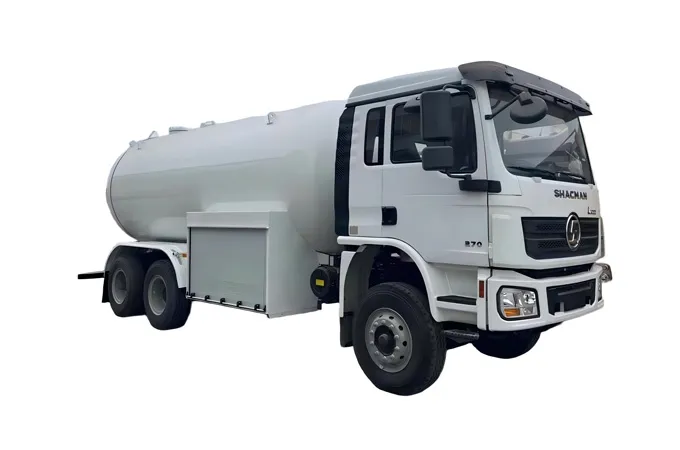
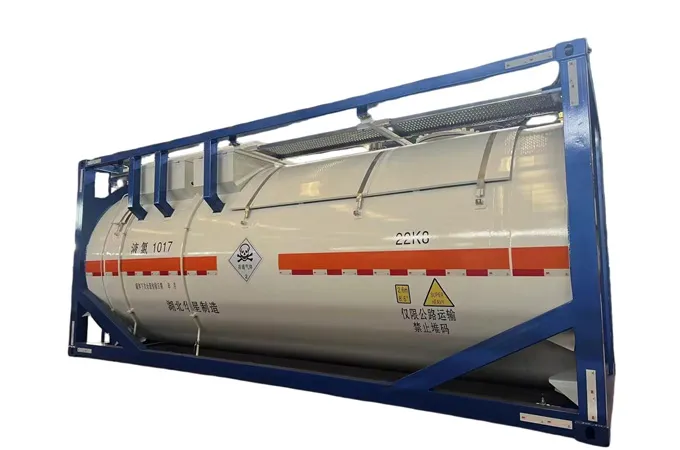
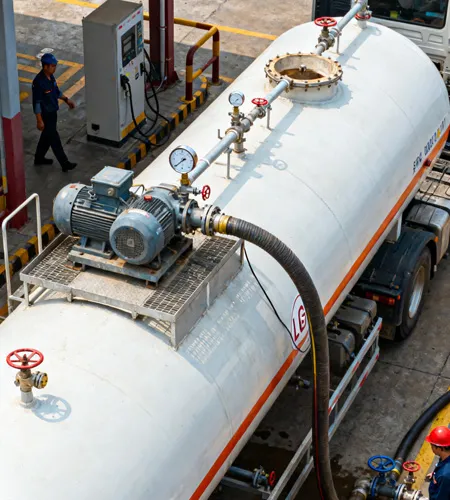
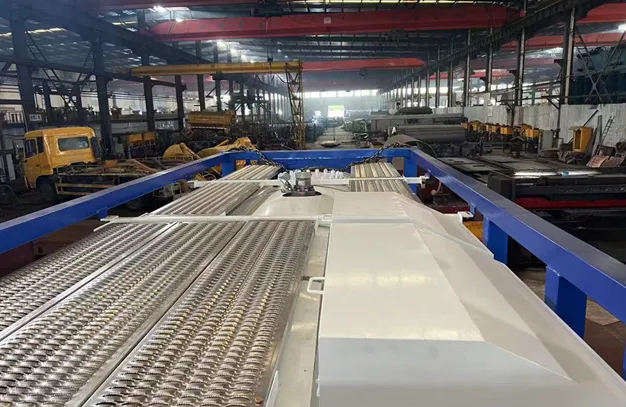

To understand how an LPG storage tanker works, let’s break it down. LPG, a liquefied petroleum gas, is stored under pressure to stay liquid. The tanker’s pressure vessel maintains this pressure. When dispensing, the pressure forces LPG out. Safety valves release excess pressure, while gauges monitor pressure and liquid levels. The tanker’s robust design and materials ensure it handles the pressure and safely stores, transports, and dispenses LPG for various uses.
An LPG tank, also known as an LPG container, industrial gas tank, compressed gas tank, or liquefied gas tank, is a special device designed to store liquefied petroleum gas (LPG). LPG is a hydrocarbon gas mixture commonly used as fuel in industrial, agricultural, and commercial sectors. To facilitate transportation and storage, LPG is typically liquefied at high pressure and stored in LPG tanks.
Due to LPG's rapid expansion in air and flammability, LPG storage tanks must ensure very strict quality requirements to limit the risks of fire and explosion during use. To meet the storage and usage needs of LPG more conveniently in business operations, LPG storage tanks are designed in two main forms: upright and horizontal, depending on storage space and the needs of the using unit.
Industrial gas tanks are typically made from materials with good hardness and corrosion resistance, such as SUS304, SUS201, SUS316, CT3, SS400, black steel, white steel, etc. They consist of four main components as follows:
Tank body: usually cylindrical, rectangular, or square in shape, designed with three layers: an outer metal shell, a vacuum insulation layer in the middle, and an inner shell containing gas to provide insulation to limit the expansion of liquid gas due to temperature increase.
Tank lid: usually flat, conical, or pointed in shape, to increase the tank's pressure resistance.
Tank bottom: usually has a similar shape and structure to the tank cover.
Tank legs: typically designed with round or L-shaped legs to support the entire LPG storage tank.