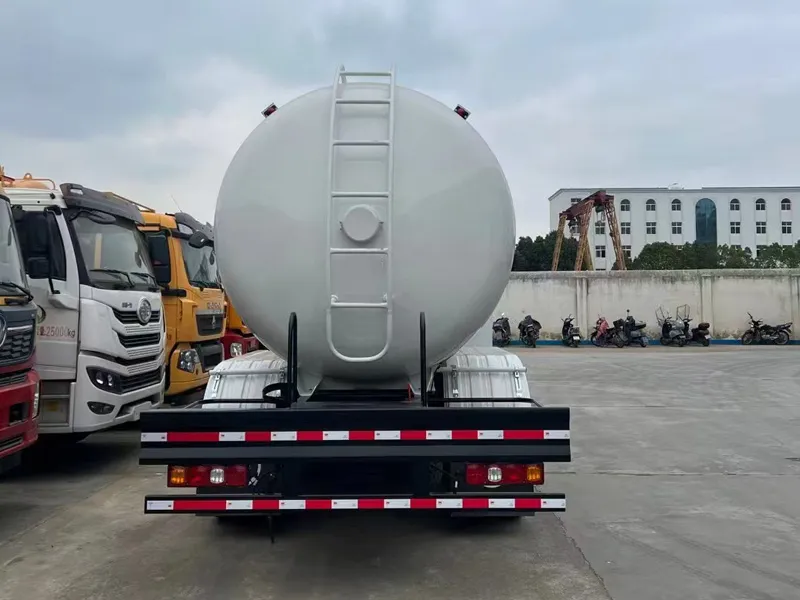
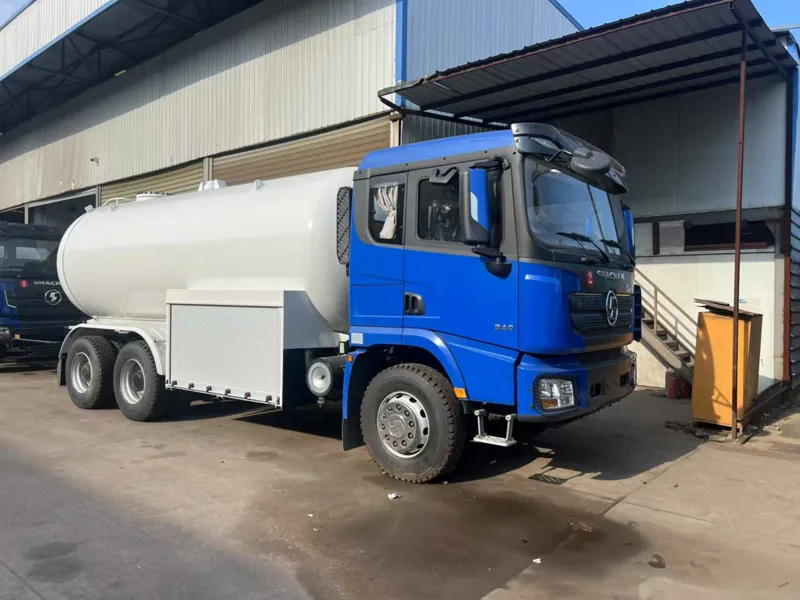
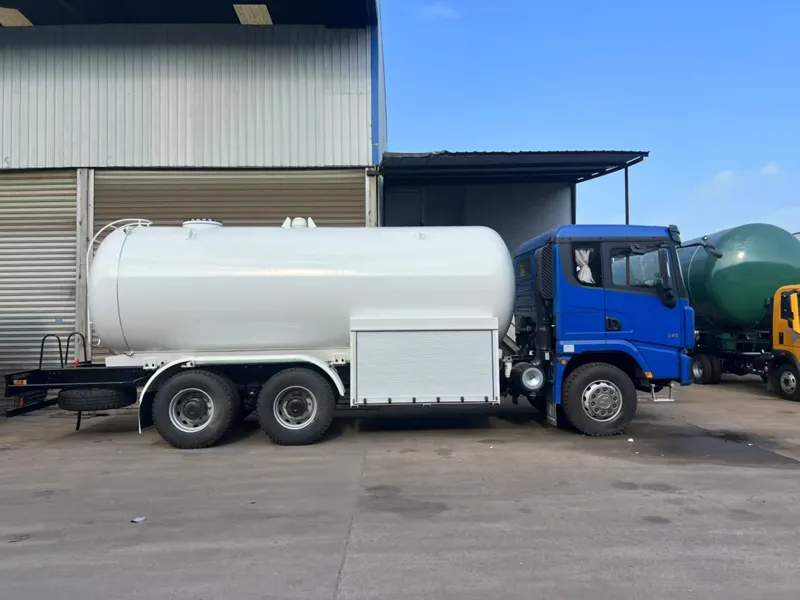
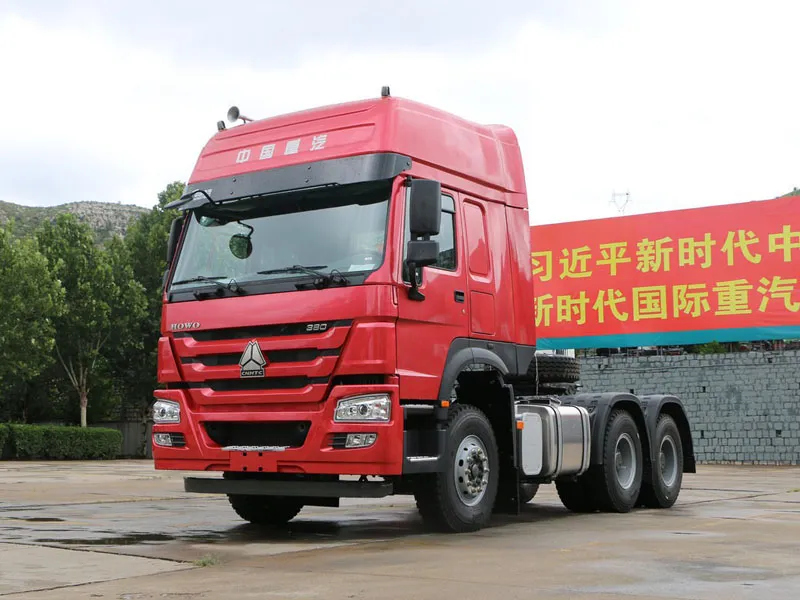
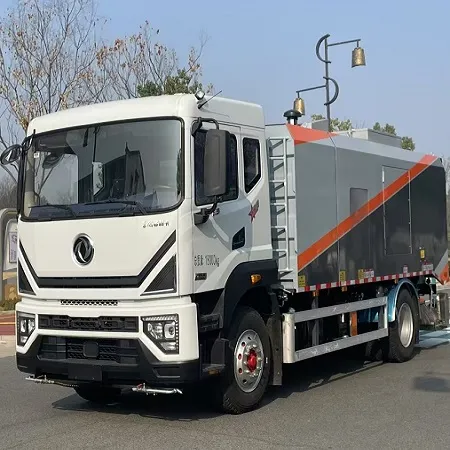
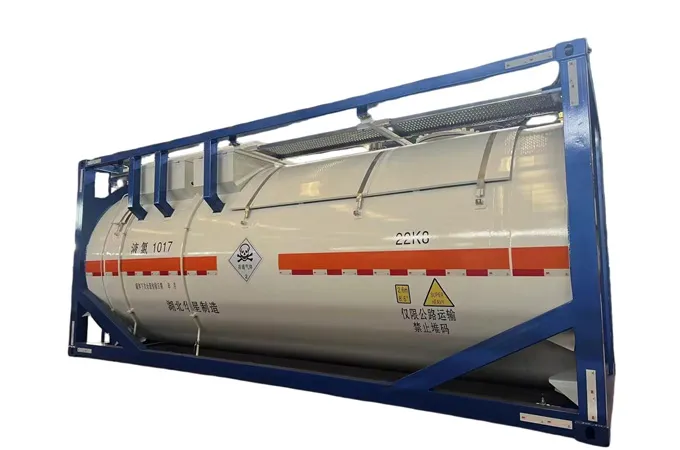
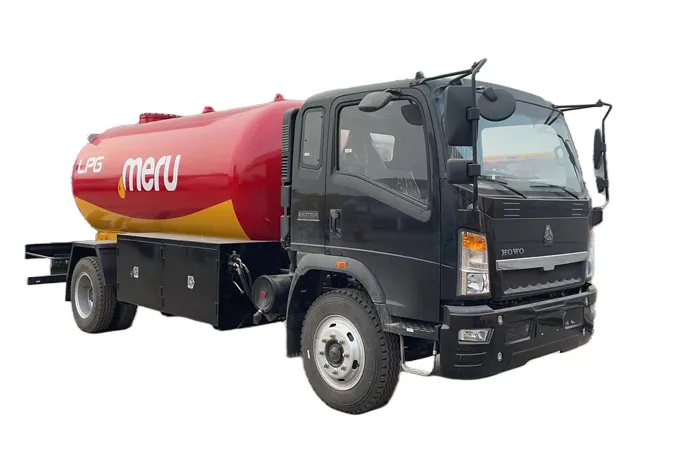
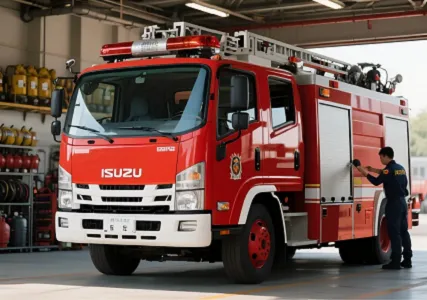
Detail of Shacman 20 Cubic Meters LPG Tanker Truck
1. General Information
Brand: Shacman
Model: LPG Tanker Truck (20 Cubic Meters)
Type: Special Purpose Vehicle for Liquefied Petroleum Gas Transportation
Application: Transporting liquefied petroleum gas (LPG) for industrial, commercial, and domestic supply.
2. Chassis Parameters
Item | Specification |
Chassis Model | Shacman L3000 Series |
Engine Model | Weichai WP7 Series (or equivalent) |
Engine Power | 270 HP |
Number of Axles | 3 Axles (6×4 Configuration) |
Transmission | Manual Transmission (Number of Gears: 10) |
Tire Specification | 11.00R20 (or equivalent) |
Steering System | Hydraulic Power Steering |
Braking System | Air Brake + ABS |
Cabin | Double-row Cab, with Air Conditioning |
3. Tanker Body Parameters
Item | Specification |
Tank Volume | 20 Cubic Meters |
Tank Material | High-quality Carbon Steel (Q345R or equivalent) |
Tank Thickness | 8 - 10 mm (Depending on Design) |
LPG Medium | Liquefied Petroleum Gas (Propane, Butane, or Mixture) |
Filling Rate | ≤ 85% of Tank Volume (Safety Requirement) |
Pressure Rating | 1.77 MPa (Design Pressure) |
Temperature Rating | -20℃ to 50℃ |
Safety Devices | Pressure Relief Valve, Emergency Cut-off Valve, Static Grounding Device, Fire Extinguisher |
Pump System | LPG Transfer Pump (Flow Rate: Customizable) |
Metering Device | Flow Meter (Optional: Digital or Mechanical) |
Piping & Valves | High-pressure LPG Resistant Pipes and Valves |
4. Performance Parameters
Item | Specification |
Loading Capacity | ~12,000 kg (Based on LPG Density: 0.6 kg/L) |
Driving Speed | Max Speed: 80 km/h (Subject to Road and Safety Regulations) |
Climbing Ability | ≥ 30% |
Fuel Consumption | ~35 - 40 L/100 km (Depending on Road and Load Conditions) |
5. Compliance & Certifications
Complies with international standards for LPG tanker vehicles (e.g., ADR, GB standards).
Equipped with necessary safety certifications for hazardous material transportation.
6. Optional Configurations
Different tank volume customizations (within technical feasibility).
Advanced monitoring systems (e.g., tank pressure/temperature monitoring).
Additional safety equipment (e.g., gas detection alarms).
Custom paint and branding options.