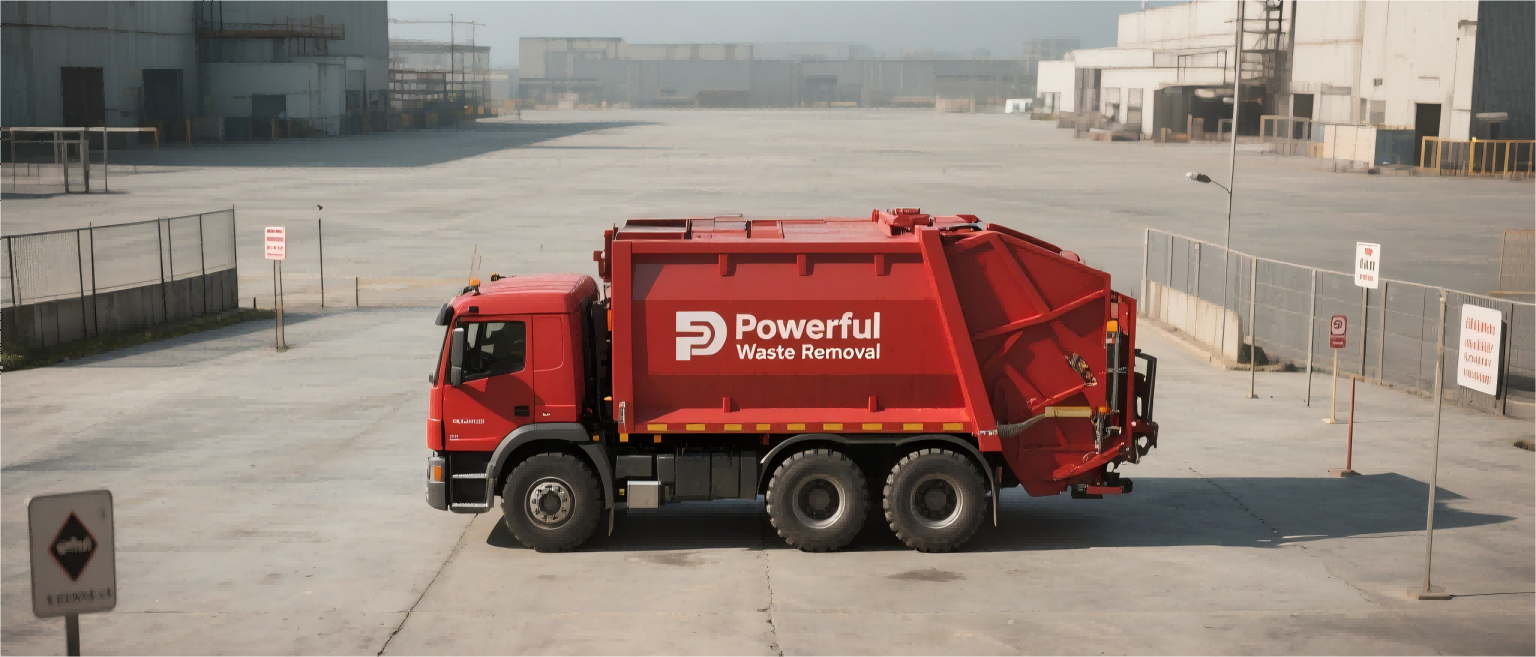
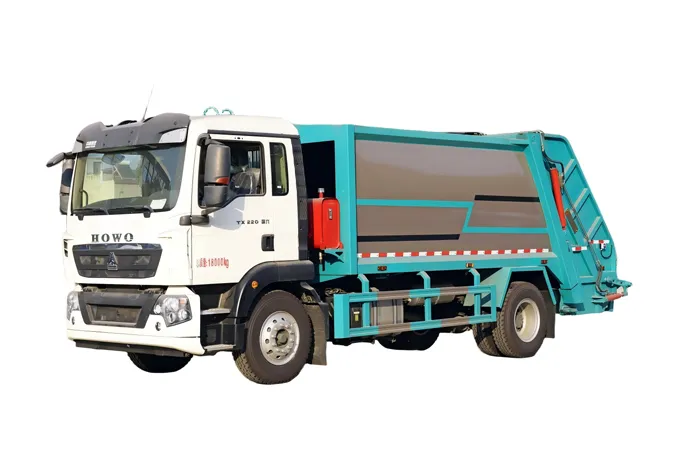
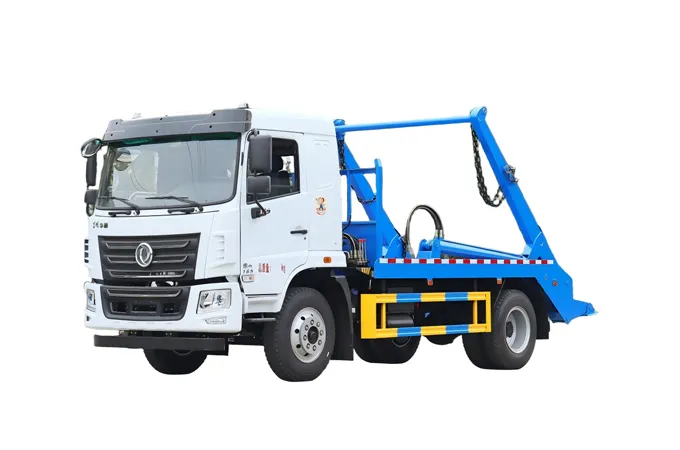
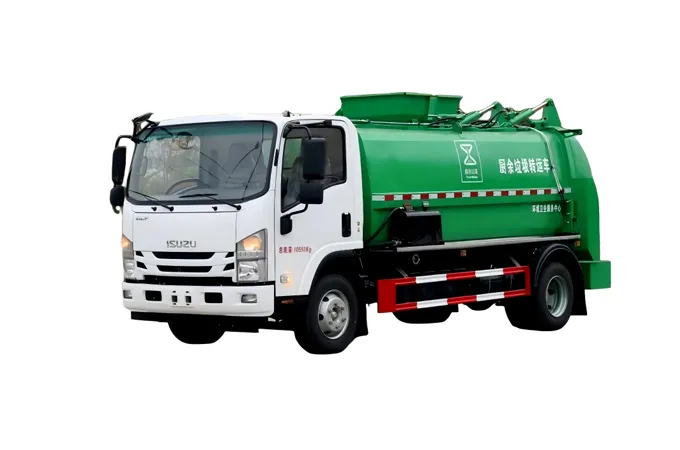
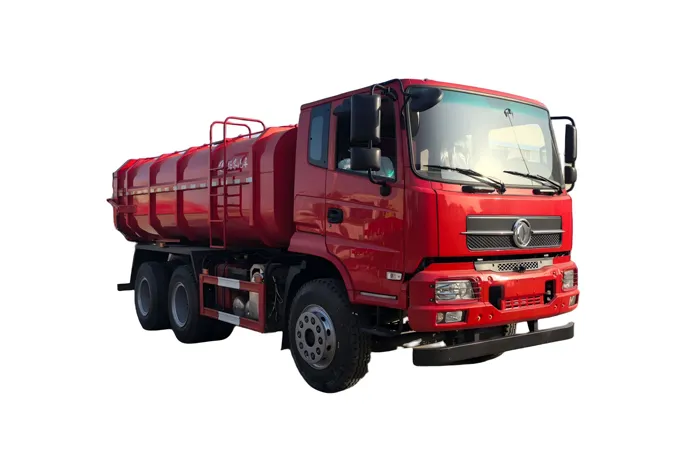
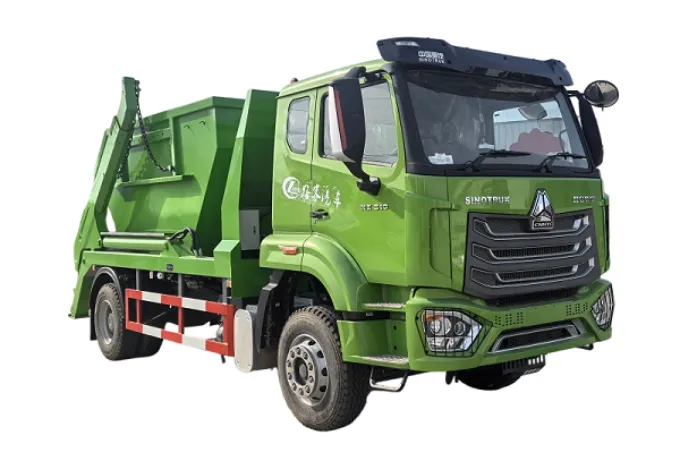
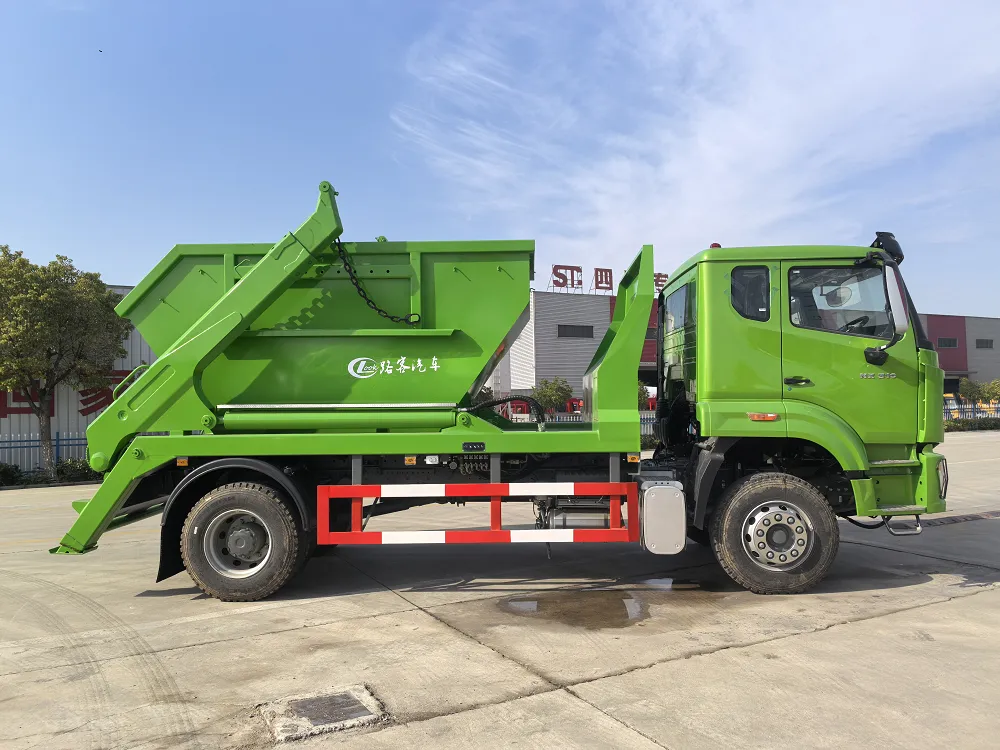
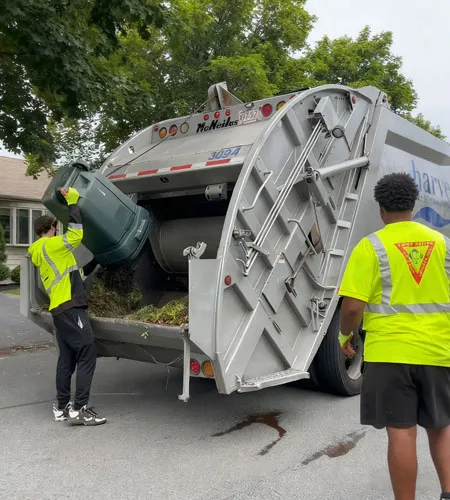
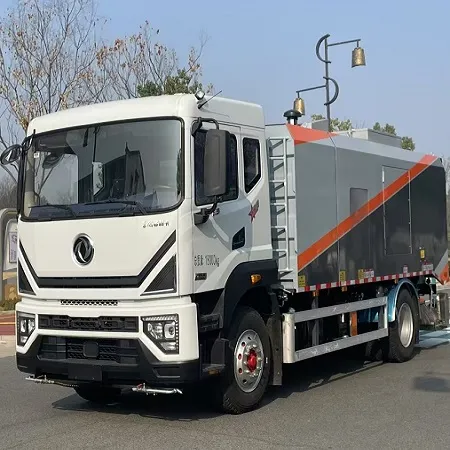
Garbage Truck: Designed specifically for collecting, transporting, and disposing of municipal waste or recyclables. They are commonly used in urban or residential areas for waste management services.
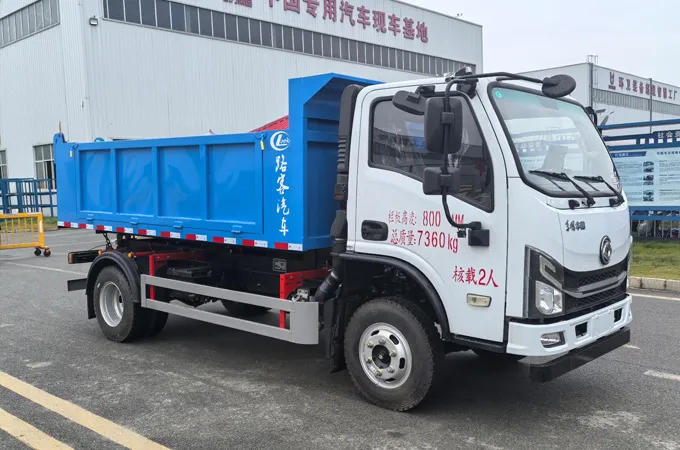
Dump Truck: Built to transport and unload loose materials such as sand, gravel, soil, or construction debris. They are primarily used in construction, mining, or infrastructure projects.
Garbage Truck: Typically features an enclosed or semi-enclosed compartment with a compaction mechanism to compress waste, maximizing capacity. They often have automated loading arms or rear/side-loading systems for garbage bins.
Dump Truck: Has an open-box bed with a hydraulic lift system that tilts the bed to dump materials quickly. The design is simpler, focusing on heavy-duty material transport and unloading.
Garbage Truck: Operates in urban or suburban settings, following fixed routes to collect household or commercial waste.
Dump Truck: Commonly found on construction sites, quarries, or other industrial environments where bulk materials need to be moved.
Garbage Truck: Loaded manually or via mechanical arms that lift bins; waste is unloaded at landfills or recycling facilities.
Dump Truck: Loaded with heavy machinery (e.g., loaders or excavators) and unloads by tilting the bed to release materials.