
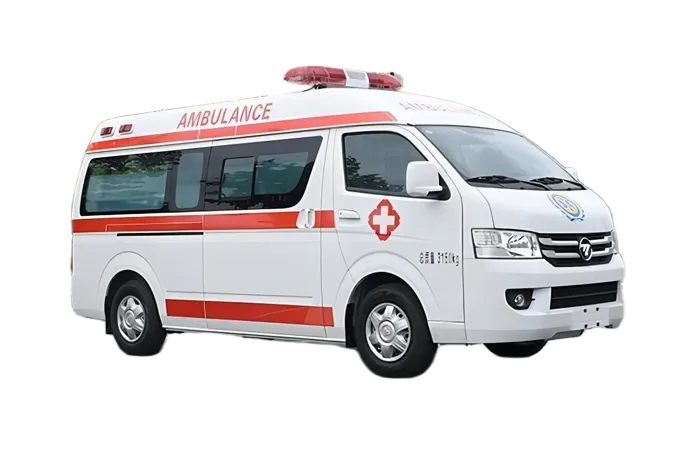
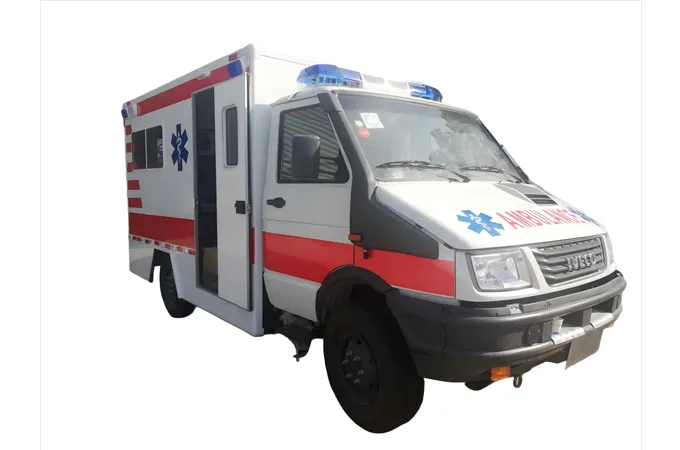





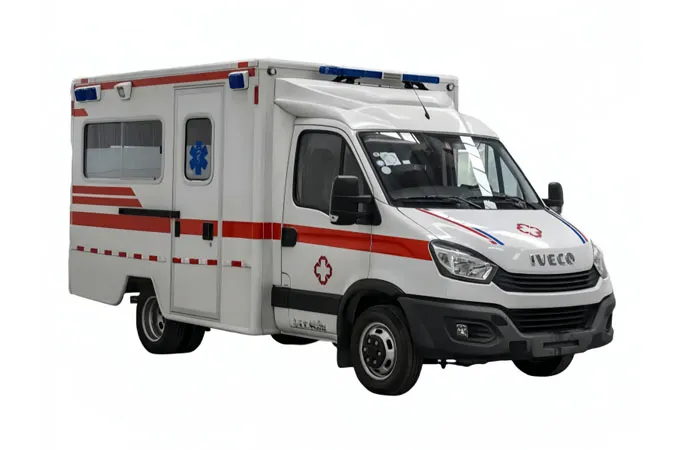





Ambulances are the backbone of emergency medical response. When an emergency call hits the dispatch center, operators use location data to send the nearest ambulance immediately. En route, (medical crews) prep life-saving gear like defibrillators and oxygen tanks. On-site, they assess patients, give first aid (e.g., CPR, wound treatment), and stabilize vital signs. During transport, they keep monitoring patients and coordinate with the hospital to ready receiving teams. Upon arrival, they hand over detailed patient info and assist in transferring care. This fast, coordinated process ensures timely help for those in need.
Rapid Response: Equipped with trained paramedics and advanced equipment, ambulances reach scenes quickly to provide immediate care.
Life-Support Equipment: Featuring CPR devices, defibrillators, and oxygen systems, ambulances ensure patient stability during transport.
Efficient Transport: Ambulances are designed to optimize patient transport, ensuring fast and safe delivery from the scene to the hospital.
Versatility Across Scenarios: Whether in urban emergencies, rural healthcare, or disaster response, ambulances adapt to diverse environments.
Technological Advancements: Modern ambulances integrate telemedicine and GPS navigation, enhancing response efficiency and accuracy.
In medical emergencies and patient transport, an Ambulance is critical for ensuring life-saving care and efficiency. Selecting the right ambulance for your organization or community is essential. Here are key factors to consider when choosing an ambulance:
Medical Equipment Configuration: Choose appropriate equipment like ECG monitors, ventilators, or stretchers to meet emergency or transport needs.
Vehicle Type: Select the right type, such as Type A (transport), Type B (intensive care), or Type C (negative pressure ambulance), based on your use case.
Space and Comfort: Ensure the ambulance has enough space for medical staff and equipment while maintaining patient comfort.
Fuel Efficiency and Reliability: Opt for fuel-efficient, low-maintenance vehicles to ensure reliable operation in emergencies.
Compliance and Certification: Verify that the ambulance meets national medical vehicle standards and safety certifications, such as CNS or ISO standards.
By evaluating these factors, you can select an Ambulance that enhances emergency response and patient safety.