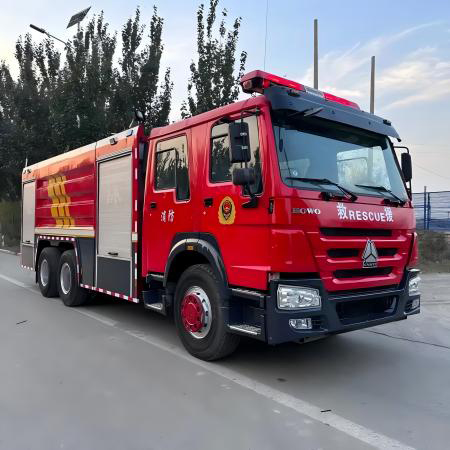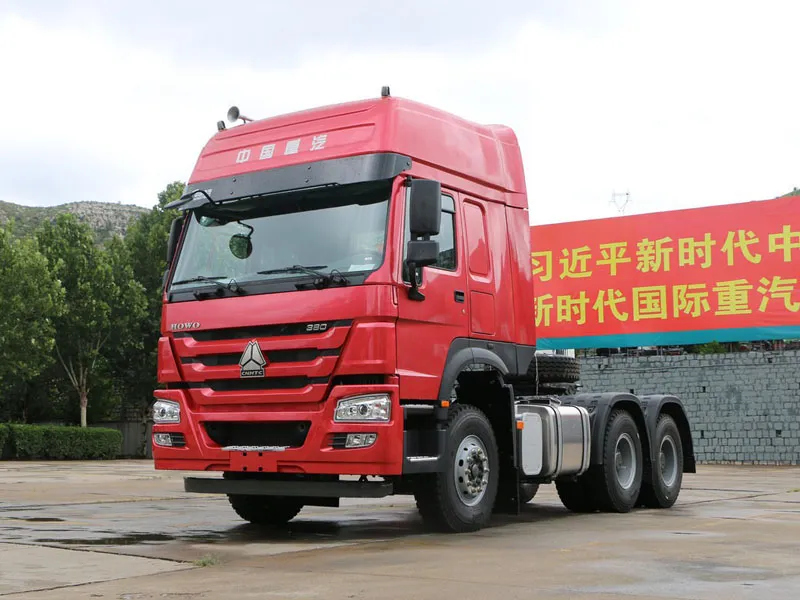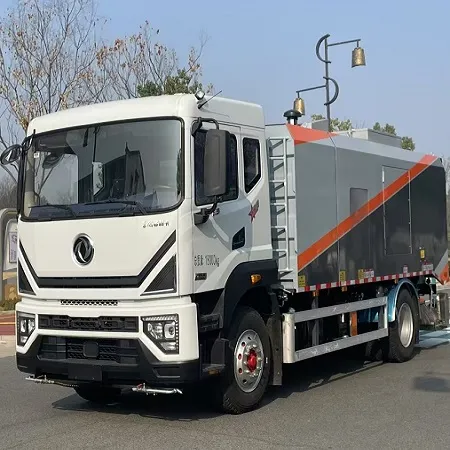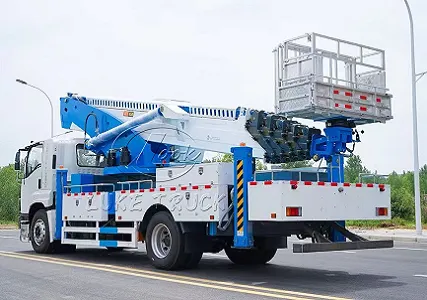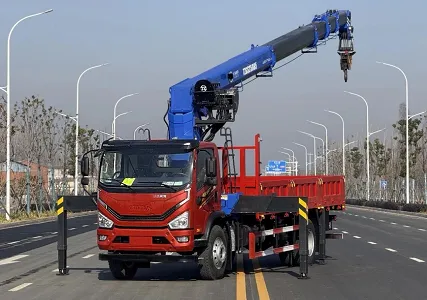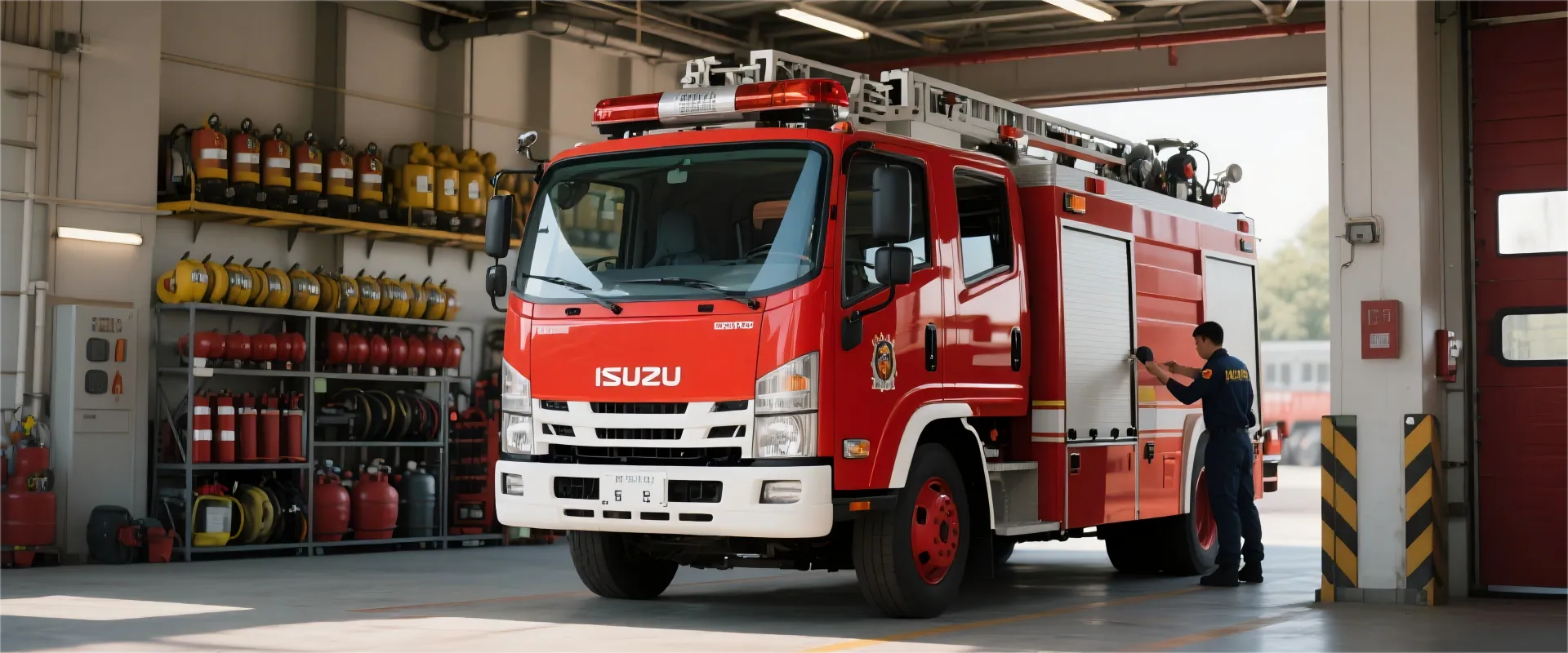
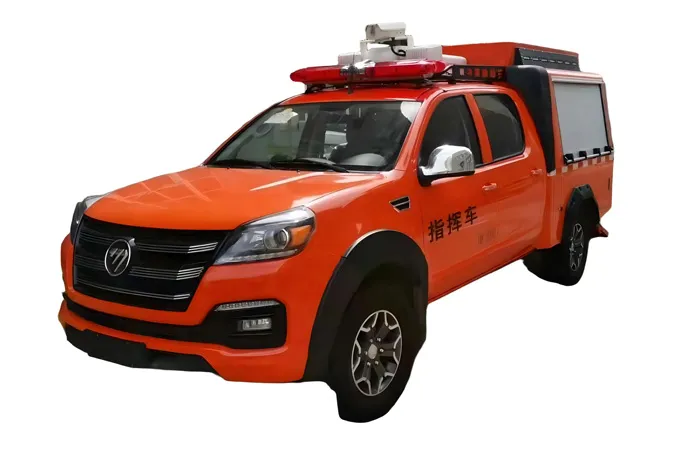
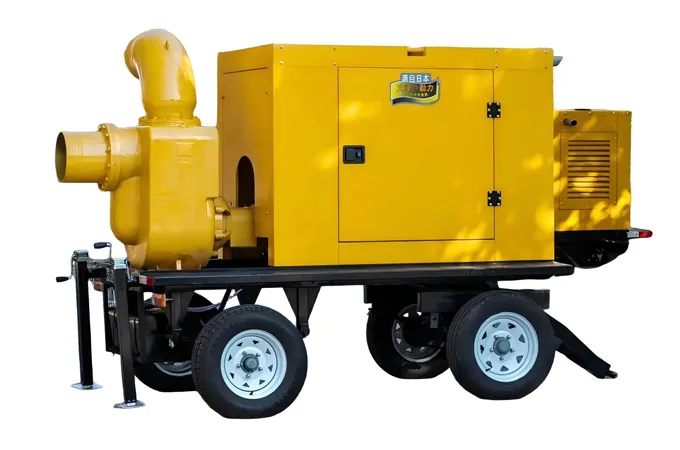
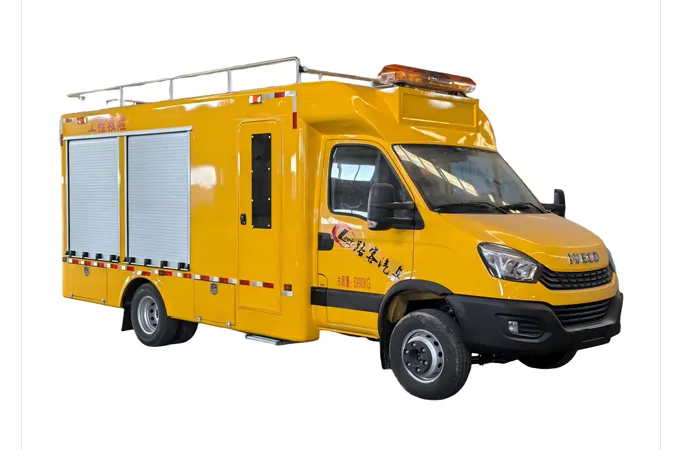
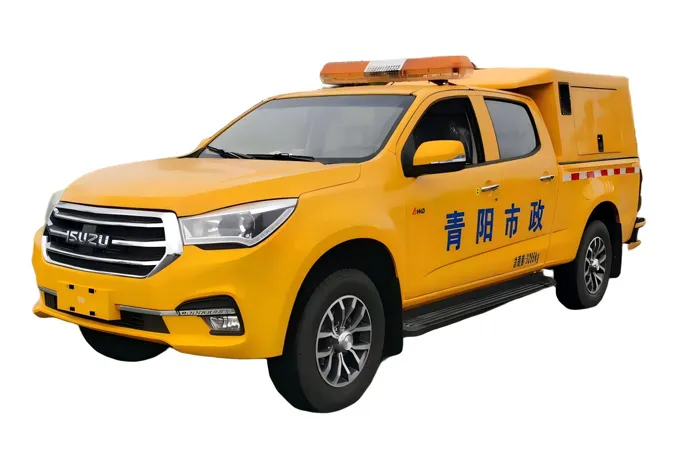
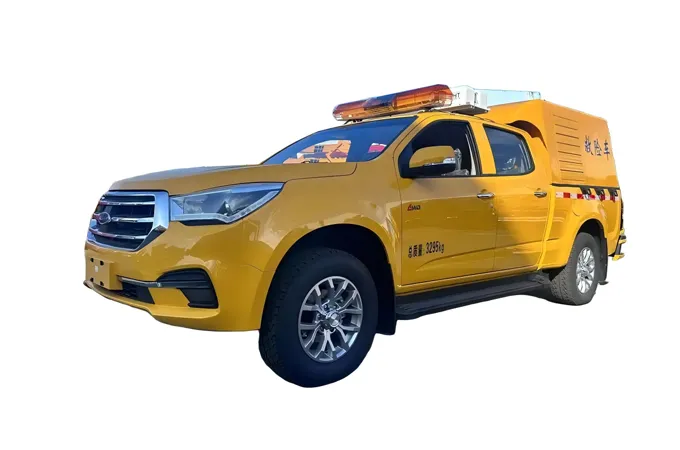
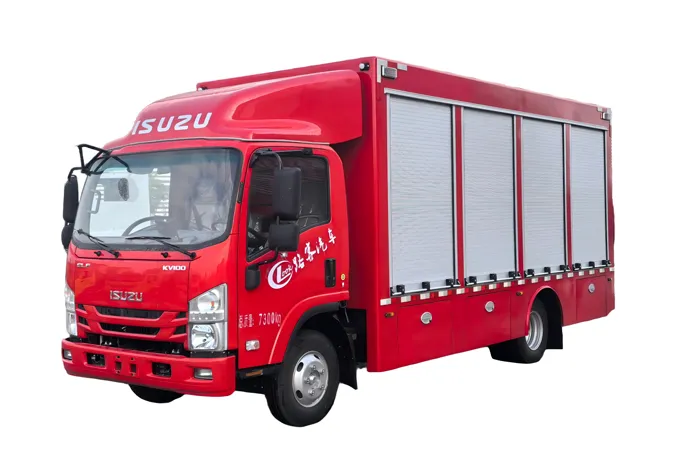
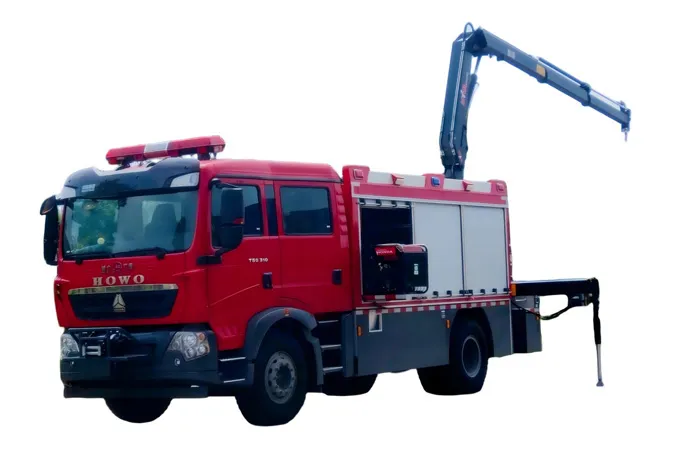
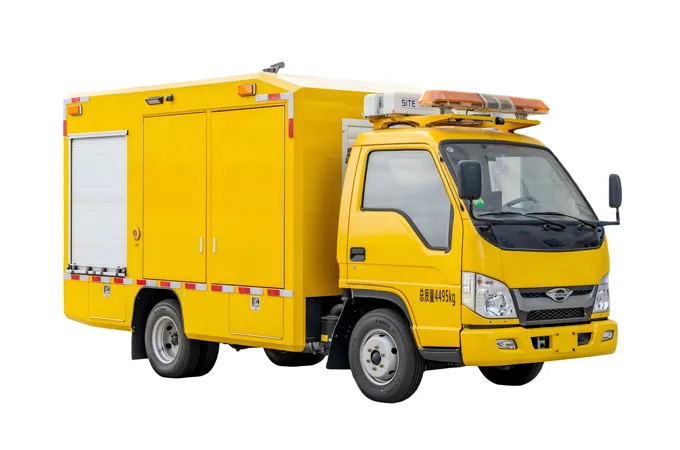
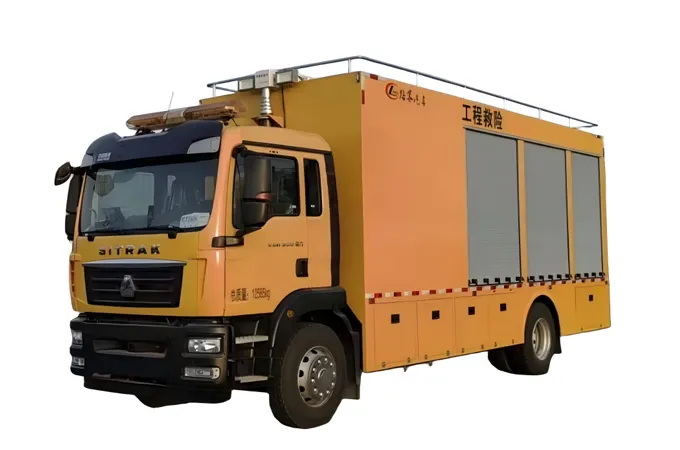
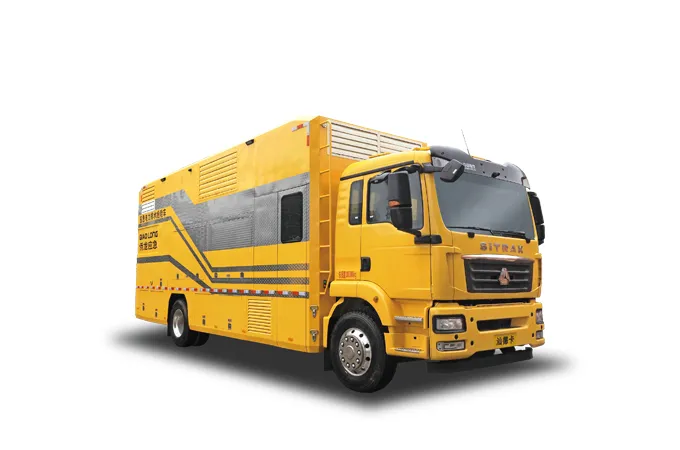
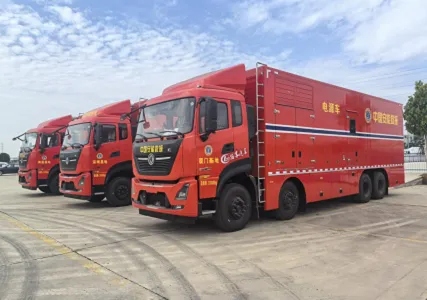
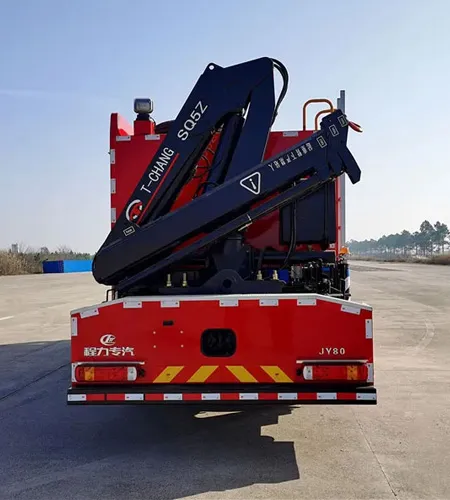
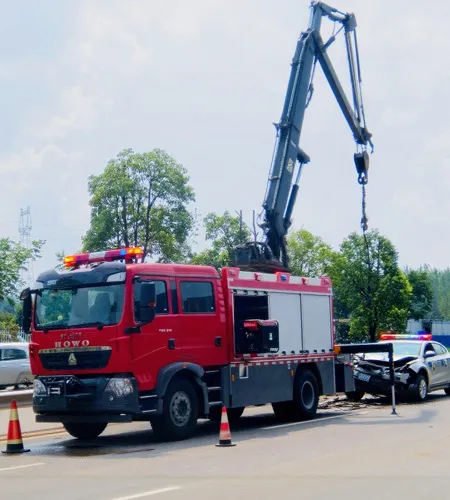

An emergency rescue vehicle combines a rugged, often all - wheel - drive chassis for quick access to disaster sites with integrated tools. Upon receiving alerts, its powerful engine and transmission enable swift deployment. On - site, systems like winches (for pulling), cranes (for lifting), hydraulic cutters (for breaking), and generators (for power) activate. Built - in communication links coordinate with teams. By merging mobility, specialized gear, and real - time coordination, it tackles tasks from extricating victims to restoring utilities, streamlining life - saving operations.
When selecting an emergency rescue vehicle, the following key factors must not be overlooked:
Vehicle Durability and Reliability
Emergency rescue vehicles must operate reliably in extreme conditions, such as harsh weather or rugged terrain. Choosing vehicles made from high-strength materials and rigorously tested is critical. Our Emergency Rescue Vehicle features a reinforced chassis design, ensuring stable performance in diverse and challenging environments.
Compatibility with Medical and Rescue Equipment
Rescue vehicles need to be equipped with advanced medical devices (e.g., defibrillators, oxygen supply systems) or rescue tools (e.g., hydraulic cutting equipment). The interior space should support modular designs for easy equipment installation and upgrades. Our product offers flexible interior layouts, customizable to meet specific client requirements.
Rapid Response Design
Time is at the core of rescue operations. Vehicles should feature efficient power systems and intelligent navigation capabilities to ensure swift arrival at the scene. Our Emergency Rescue Vehicle is equipped with a high-performance engine and integrated GPS navigation system, optimizing rescue routes and reducing response times.
Safety and Comfort
Rescue personnel work under high-pressure conditions, so vehicles must provide safety features (e.g., anti-collision designs) and a comfortable operating environment. Our vehicles are fitted with automatic braking systems and ergonomic seats, ensuring the safety and efficiency of rescue teams.
Our Emergency Rescue Vehicle integrates state-of-the-art technologies to meet the demands of modern rescue missions:
Internet of Things (IoT) Integration
IoT-enabled systems allow real-time monitoring of vehicle conditions, patient vitals, and equipment status. For example, our vehicles transmit live data to command centers, enabling better coordination during emergencies.
Intelligent Navigation Systems
Time is critical in rescue operations. Our vehicles feature advanced GPS and traffic analysis systems to optimize routes, reducing response times by up to 15% in urban environments.
Energy-Efficient Systems
Long missions require reliable power. Our Emergency Rescue Vehicle uses hybrid energy systems, ensuring extended operation without frequent recharging or refueling.
Enhanced Safety Features
Safety is paramount. Our vehicles are equipped with automatic braking systems, collision-avoidance technology, and reinforced structures to protect both responders and patients.