Key Factors Affecting Continuous Operation:
1. Fuel Capacity and Efficiency: The operation duration depends on the truck’s fuel tank size and fuel efficiency. Most specialized work trucks can operate for 8-14 hours on a full tank, covering 300-500 miles, depending on load, terrain, and equipment usage (e.g., hydraulic systems or PTO).
2. Driver Regulations: Regulations like Hours of Service (HOS) in the U.S. limit continuous driving to 11 hours within a 14-hour workday, mandating rest breaks to ensure driver safety and compliance.
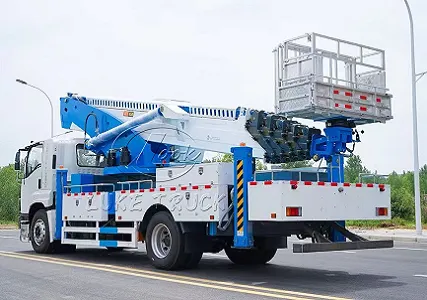
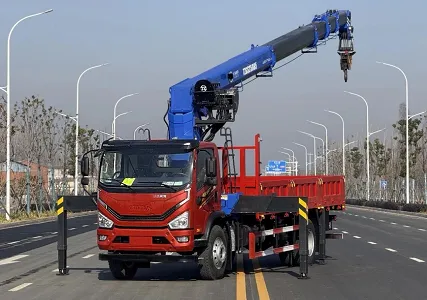
3. Equipment and Component Stress: Specialized components like cranes, booms, or pumps increase fuel consumption and engine strain, potentially reducing continuous operation time.
4. Environmental Conditions: Extreme temperatures, rough terrain, or heavy traffic can lower fuel efficiency and impact operation duration, requiring careful planning.
5. Maintenance Status: Well-maintained trucks with regular checks on fluids, tires, and cooling systems can sustain longer operation without breakdowns.