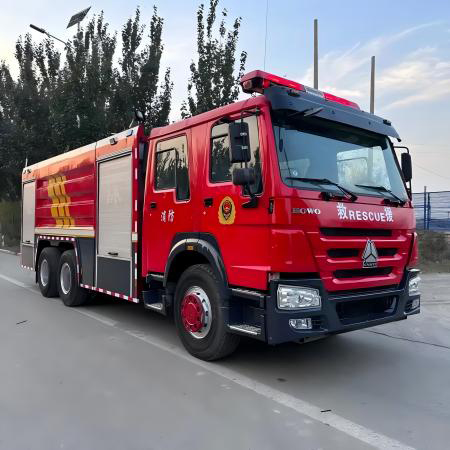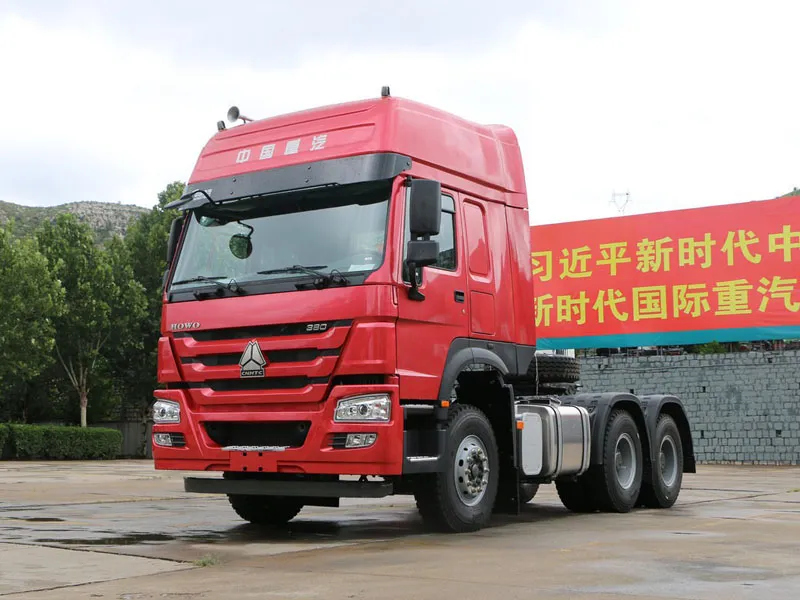
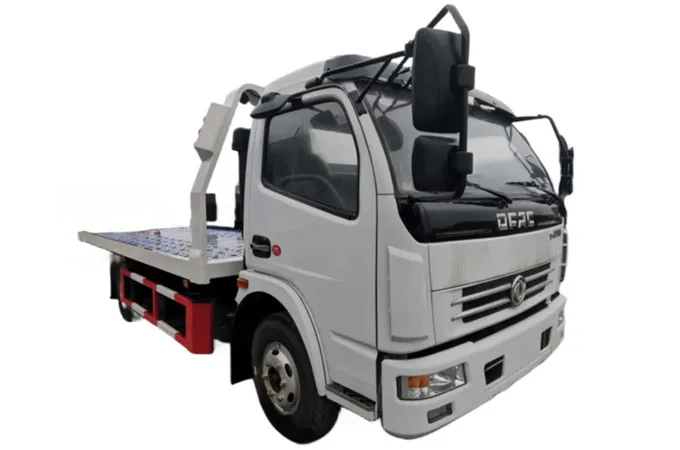
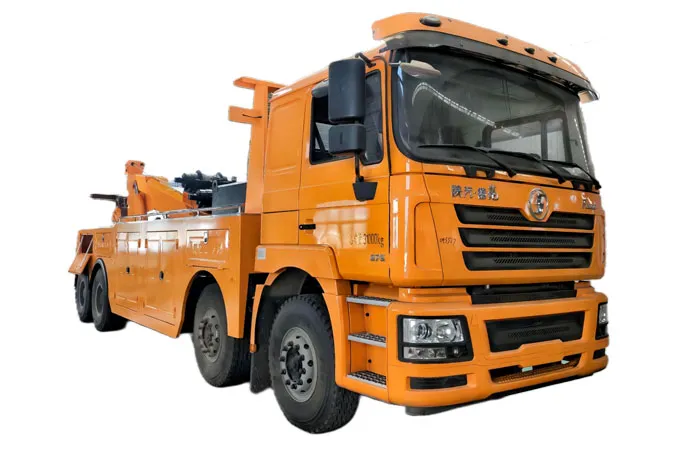
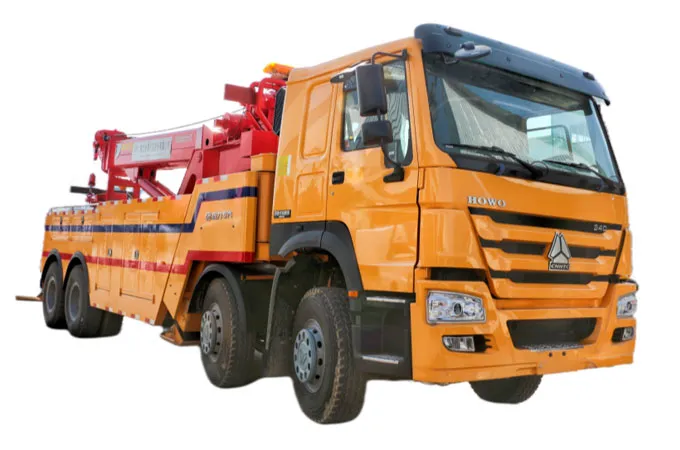
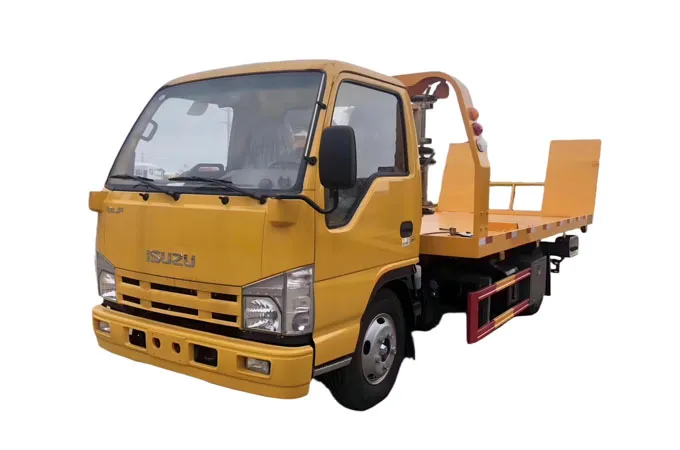
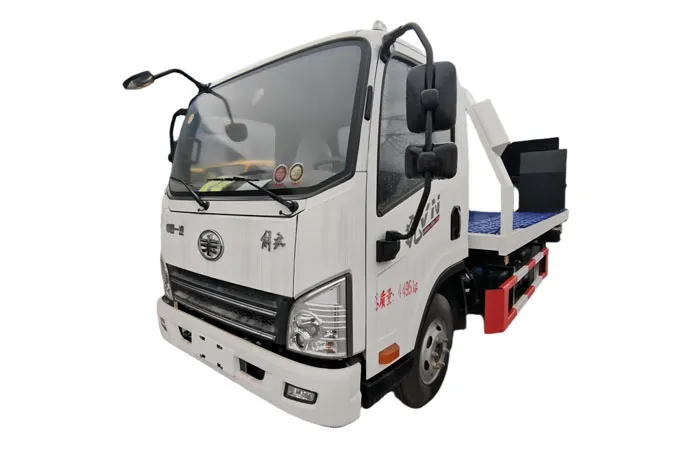
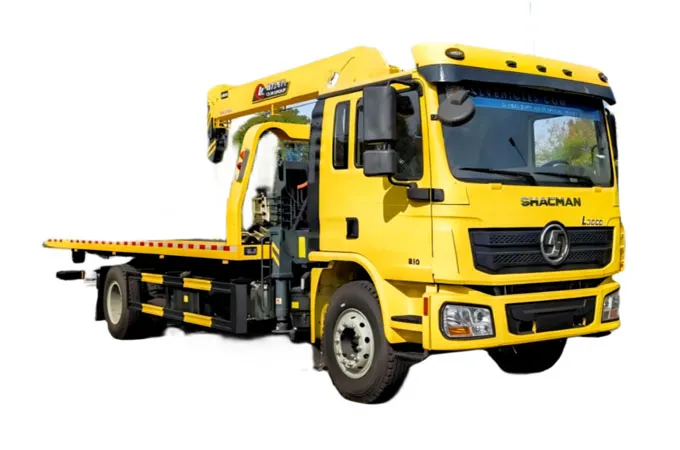
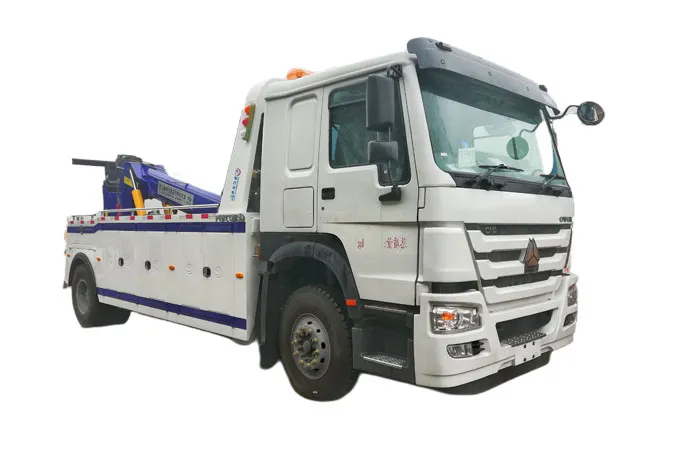
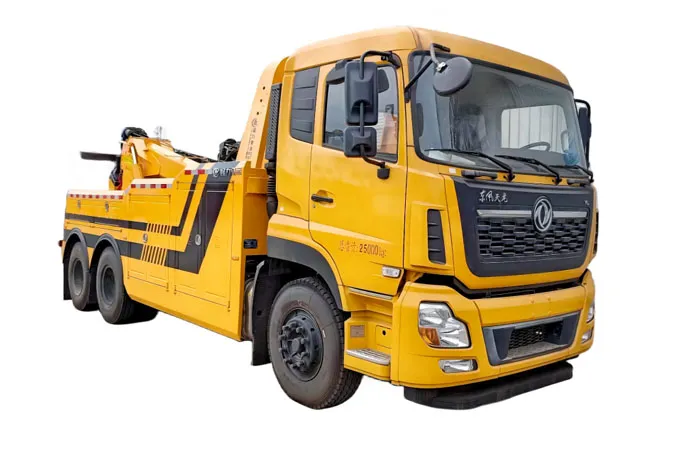
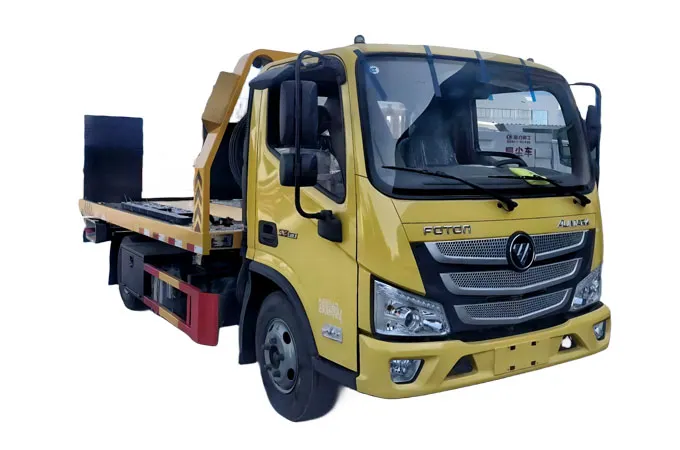
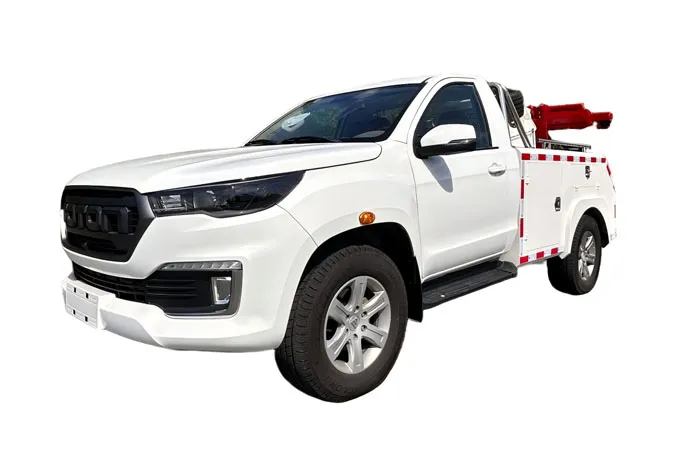
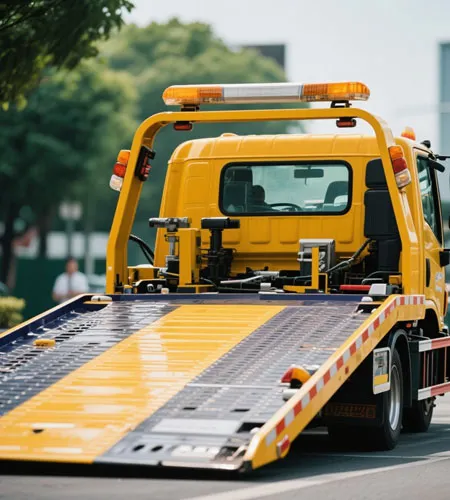
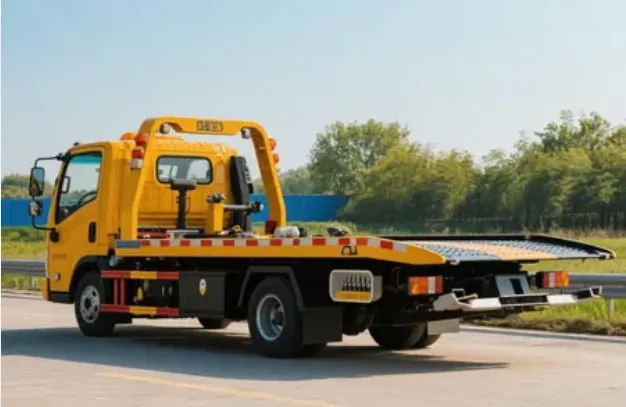

A wrecker truck operates using a combination of powerful tools and mechanical systems to recover disabled or damaged vehicles. Key components include winches with strong cables, hydraulic arms, and often a rotating crane or flatbed.
When deployed, operators first assess the situation—whether a car is crashed, stuck off-road, or overturned. Winches pull vehicles from ditches or tight spots, while hydraulic lifts adjust angles to right overturned cars. For transport, some use a flatbed to load vehicles securely, others use tow hooks for towing.
Its design prioritizes versatility: handling heavy loads, navigating rough terrain, and performing precise maneuvers to safely recover vehicles without further damage, making it vital for accident scenes and complex rescues.
Tow trucks focus on transporting disabled vehicles; wreckers emphasize rescuing in accidents (e.g., lifting, pulling stuck cars).
Tow trucks often have basic hooks or flatbeds; wreckers feature winches, hydraulic lifts for complex recovery.
Tow trucks handle breakdowns; wreckers tackle crash sites, overturned vehicles, or off-road rescues.
"Tow truck" is globally common; "wrecker" is more prevalent in North America for heavy-duty rescue units.