English
Hubei Luke Special Automobile Co., Ltd.
EN
Oil and Gas Trucks

Oil and Gas Trucks

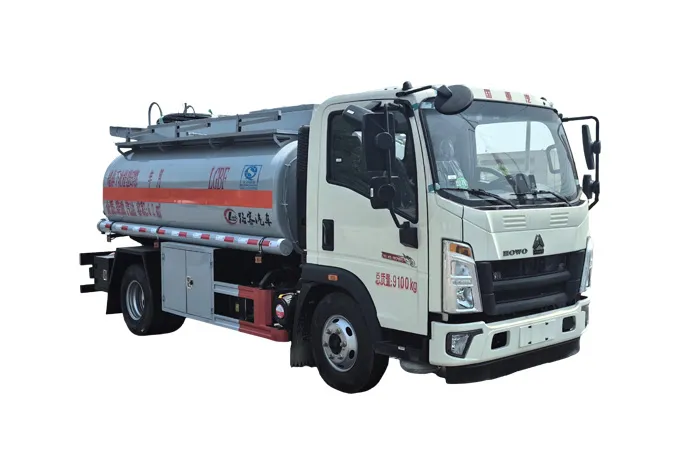
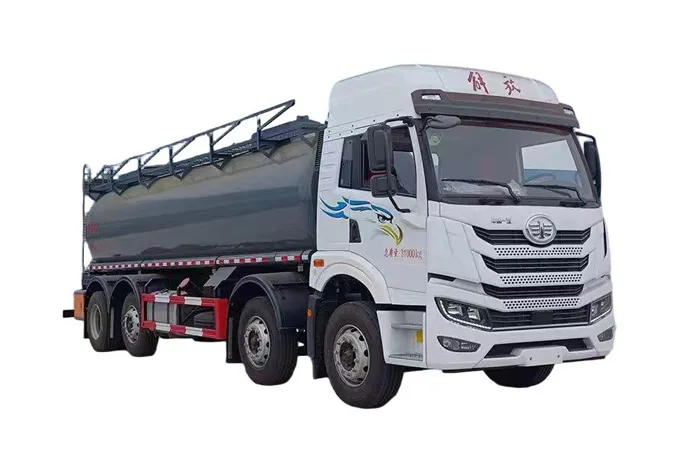
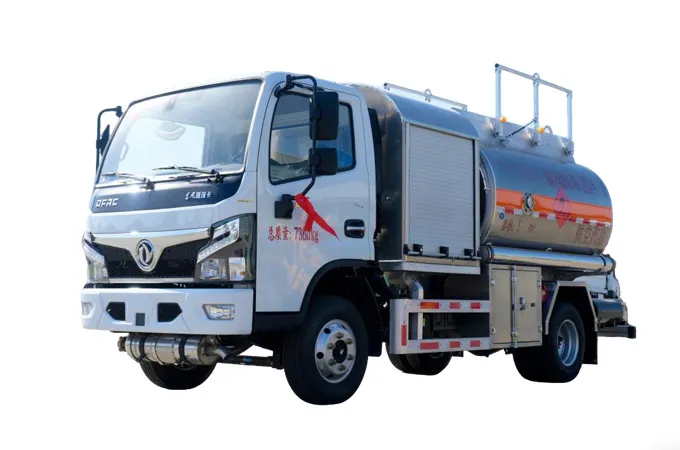
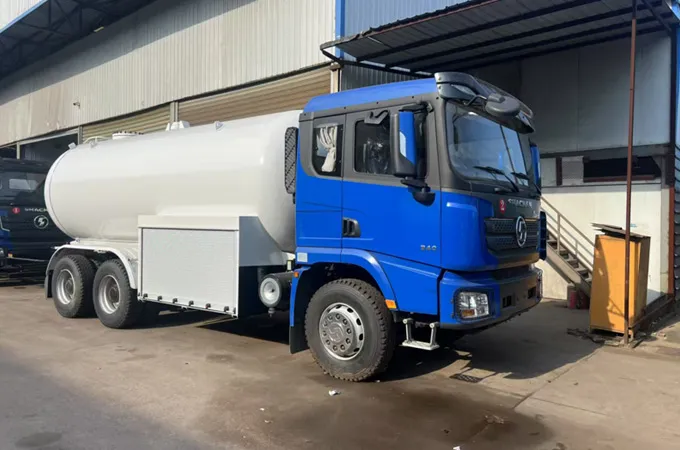
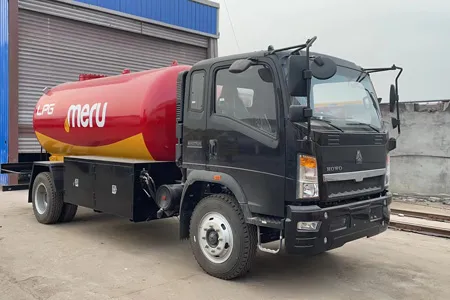
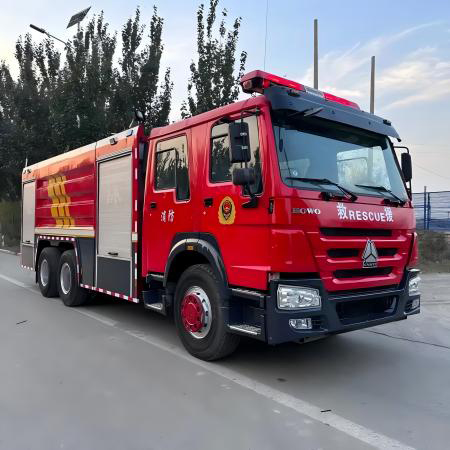
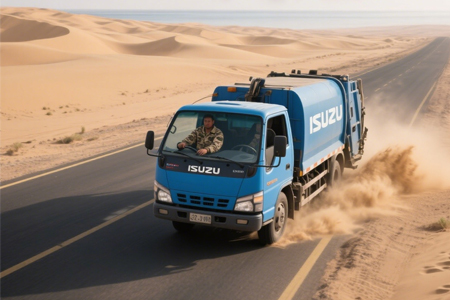
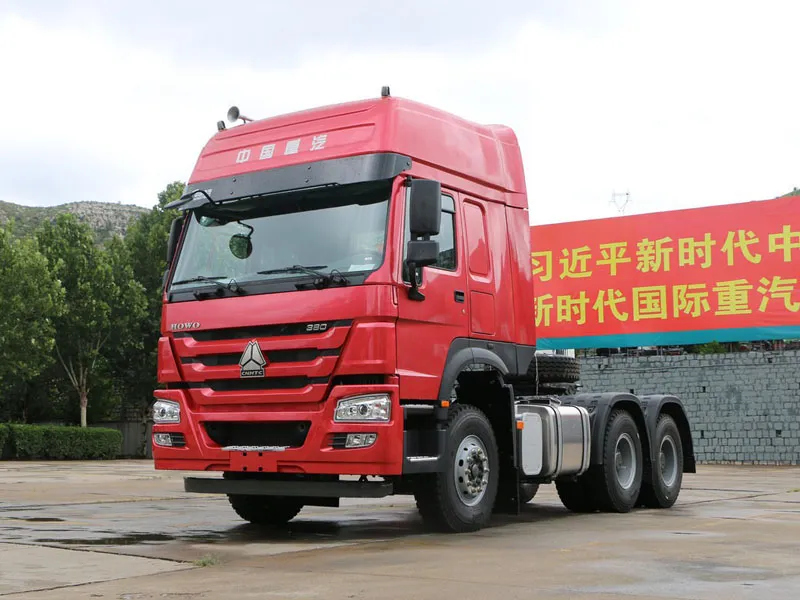
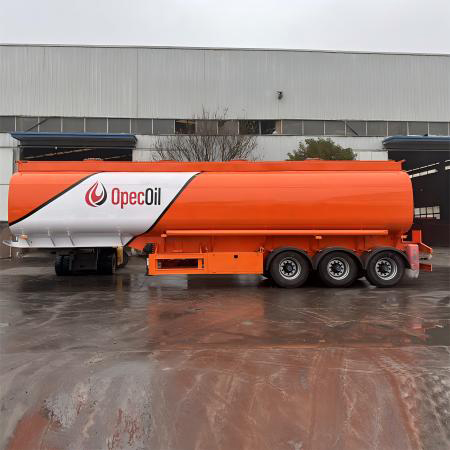
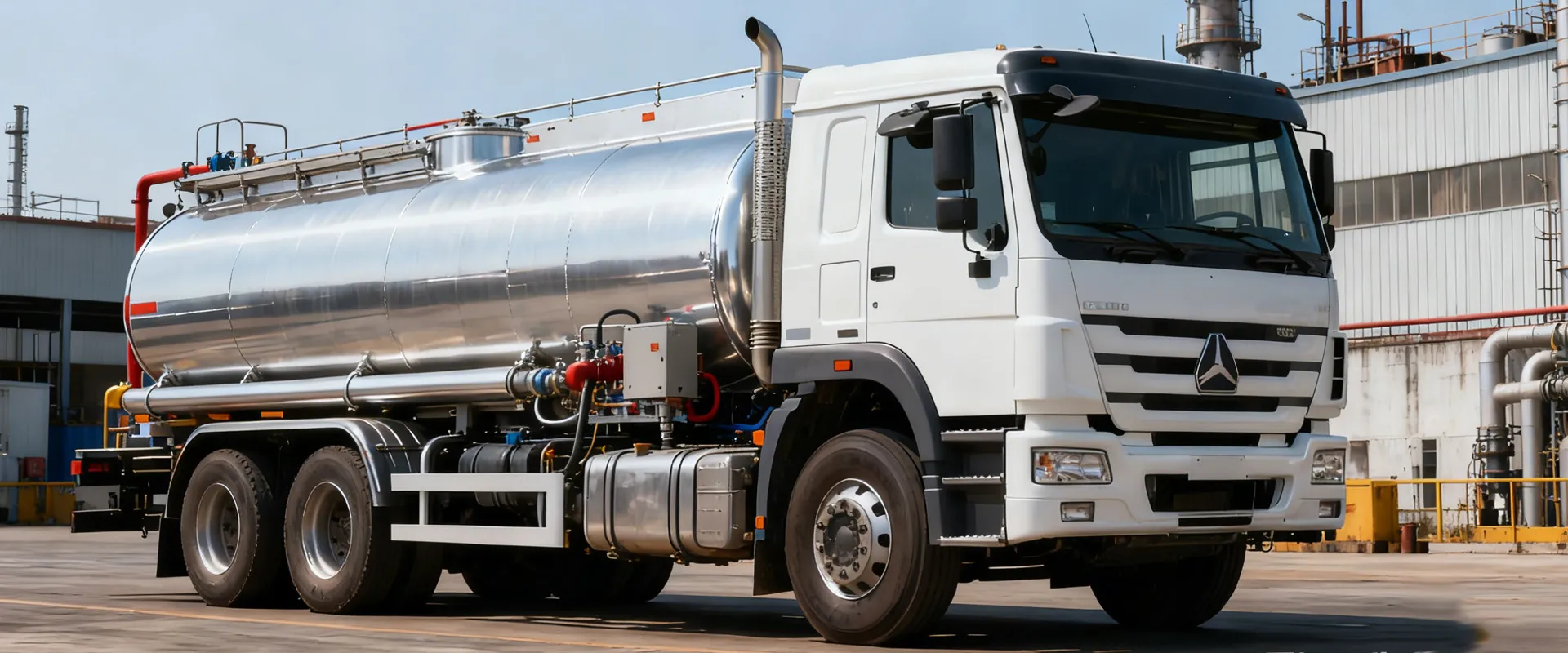
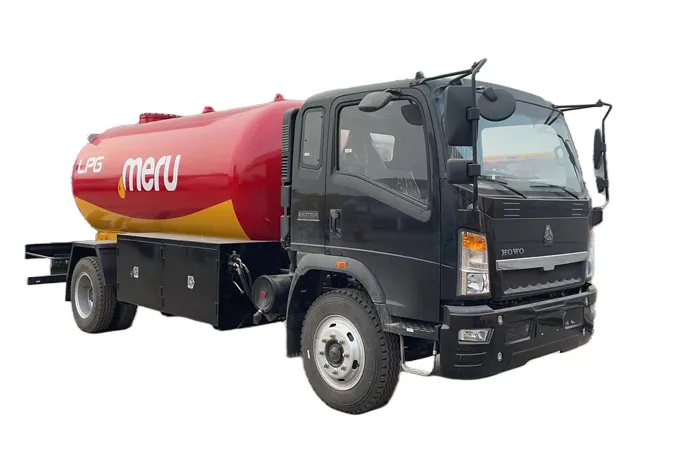
Discover Luke Trucks’ Oil and Gas Trucks, including LPG Storage Tanks, Fuel Trucks, Chemical Liquid Tank Trucks, and Aircraft Fuel Trucks. Built for safety, reliability, and efficient transport, our trucks handle demanding environments while ensuring durable, high-performance operation for all oil and gas applications.

Get a Quote

Oil and Gas Trucks for Sale

How to Maintain Oil and Gas Trucks?

How to Maintain Oil and Gas Trucks?

1. Regular Fluid Checks and Changes: Inspect and replace engine oil, transmission fluid, and coolant regularly to prevent engine wear and overheating, critical for trucks carrying volatile materials.

2. Inspect Tank and Piping Systems: Routinely check for leaks, corrosion, or damage in the tank and piping to ensure safe transport of oil and gas and comply with safety regulations.

3. Tire Maintenance: Monitor tire pressure, tread wear, and alignment to maintain stability and fuel efficiency, especially under heavy loads on long hauls.

4. Brake and Safety System Inspections: Regularly test brakes, emergency shut-off valves, and warning systems to ensure safe operation in hazardous conditions.

5. Scheduled Professional Servicing: Partner with certified technicians familiar with oil and gas truck regulations for thorough inspections and maintenance to avoid costly downtime.

How Long Can an Oil and Gas Truck Operate Continuously?

Key Factors Affecting Continuous Operation:

1. Fuel Capacity and Efficiency: The duration an oil and gas truck can operate depends on its fuel tank size and fuel efficiency. Most trucks can run for 8-12 hours on a full tank, covering 400-600 miles, depending on load and terrain.

2. Driver Regulations: Federal and regional regulations, such as Hours of Service (HOS) rules, limit continuous driving to 11 hours in a 14-hour workday in the U.S., requiring mandatory rest breaks to ensure safety.

3. Vehicle Maintenance: Regular maintenance, including engine checks, tire inspections, and fluid top-ups, prevents breakdowns that could interrupt continuous operation.

4. Cooling and Engine Systems: Overheating can limit operation time, especially in hot climates. Advanced cooling systems and regular coolant checks help maintain performance.

5. Load and Road Conditions: Heavy loads or rough terrain can reduce fuel efficiency and strain the engine, shortening continuous operation time.
How Long Can an Oil and Gas Truck Operate Continuously?
Contact Us
Contact Us
Reach out for customized special purpose vehicle solutions.
Contact Info
Call Us
+86-18672224040
Address
Southeast Corner of the Intersection of North Outer Ring Road and Handan Avenue, Suizhou City, Hubei Province, China.
Request a Free Quote
We use cookies to offer you a better browsing experience, analyze site traffic and personalize content. Part of the tracking is necessary to ensure SEO effectiveness,
By using this site, you agree to our use of cookies. Visit our cookie policy to learn more.
Reject Accept