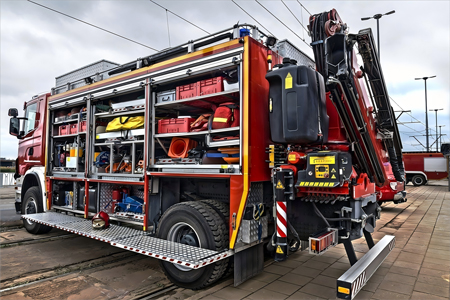
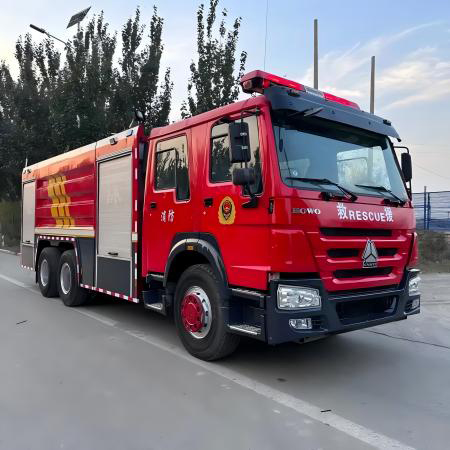
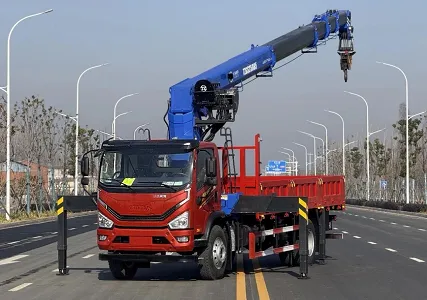
The continuous operational lifespan of an emergency truck is dictated by three interdependent systems, each influencing performance under varying workloads and environmental conditions:
Fuel Capacity & Engine Efficiency
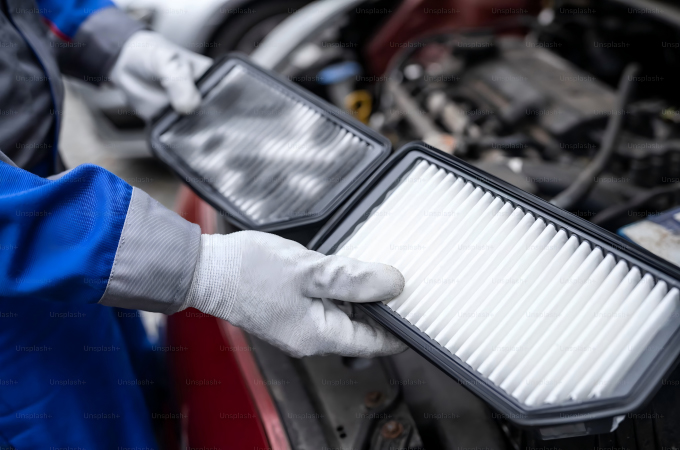
Fuel tank sizes typically range from 200–500 liters, with lightweight models favoring smaller tanks (200–300L) for maneuverability, while heavy-duty rescue trucks may integrate 500L+ tanks for extended missions. At moderate load (steady highway driving, minimal equipment use), a 300L tank with a 25L/100km diesel engine yields ~12 hours of runtime. However, high-intensity operations—frequent stop-start driving, simultaneous use of hydraulic tools (e.g., winches, cutters), or idling with full emergency lighting—can spike fuel consumption to 30–35L/100km, reducing runtime to 8–10 hours. Fuel efficiency also hinges on engine maintenance; clogged air filters or low-quality diesel can degrade performance by 10–15%.
Onboard Power Supply Systems
Battery-Only Setups (12V/24V, 100–200Ah lead-acid or lithium-ion): Power critical electronics like emergency beacons, radios, and portable medical devices. Runtime varies drastically by load: 3–5 hours under heavy use (multiple high-power LED lights, radio communication, laptop systems) vs. 6–8 hours for minimal operations (basic lighting, intermittent radio). Deep-cycle batteries extend longevity but require careful discharge management to avoid damage.
Diesel Generators (5–10kW, integrated or auxiliary): Supply power for high-demand equipment (hydraulic pumps, industrial-grade winches, floodlights). Paired with the main fuel tank, a generator drawing 5L/hour alongside the engine’s 20L/hour consumption limits total runtime to 8–15 hours, depending on tank size. Some models feature dual-tank configurations to isolate generator fuel, prioritizing engine operation during prolonged missions.
Cooling Systems for Sustained Performance
Engine and hydraulic cooling systems are critical to prevent overheating, which can cause breakdowns or reduced equipment efficiency:
Normal Conditions (ambient temp ≤30°C, moderate workload): High-capacity radiators, oil coolers, and hydraulic heat exchangers enable 8–12 hours of continuous operation. Regular coolant flushes (every 2–3 years) and clean radiator fins maintain optimal heat dissipation.
Extreme Scenarios (ambient temp >40°C, heavy-duty tasks like prolonged winching or high-speed off-roading): Heat buildup forces 30-minute cool-down periods every 4–6 hours to prevent engine “limp mode” or hydraulic fluid degradation. Advanced systems with thermostatic fans and automatic shutdown safeguards may extend operation slightly but require strict adherence to manufacturer maintenance schedules (e.g., monthly checks for coolant levels, belt tension, and debris in cooling grilles).
Interplay of Systems
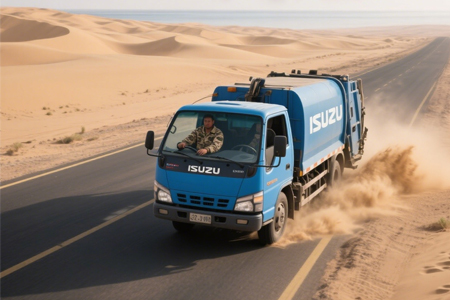
Maximizing runtime requires balancing all three: a truck with a 500L tank, 10kW generator, and upgraded cooling can operate 12–15 hours in temperate climates with controlled equipment use, while the same vehicle in desert conditions with constant high-power tool operation might drop to 6–8 hours before requiring refueling and cooling stops. Regular preventive maintenance—especially for engines, generators, and cooling components—is essential to ensure systems operate at peak efficiency during critical missions.