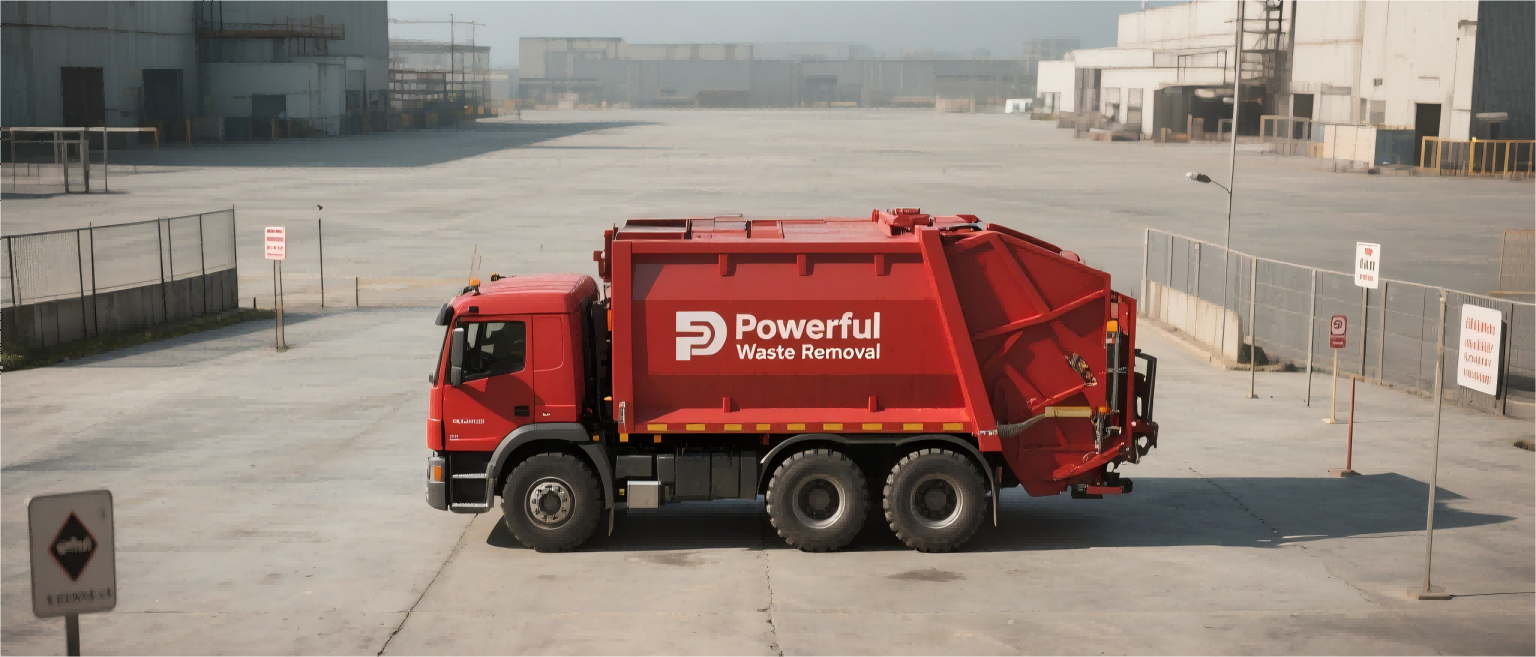
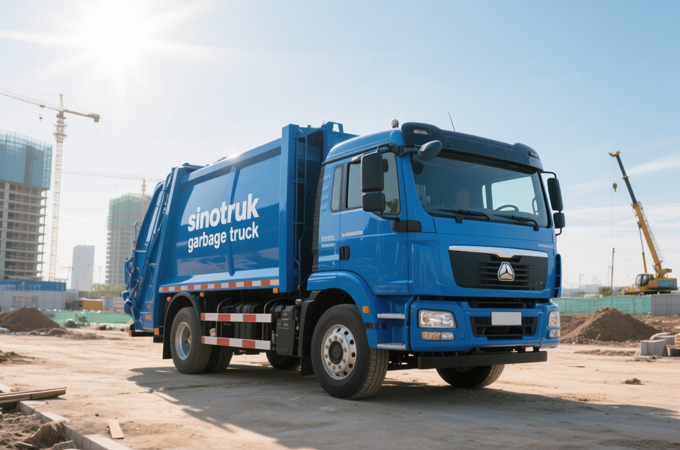
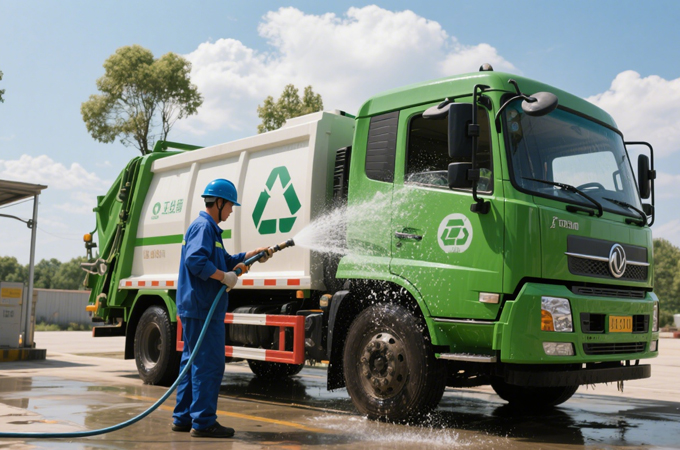

Garbage Truck: Regularly inspect the hydraulic system, check bin seals, and monitor lift mechanism wear.
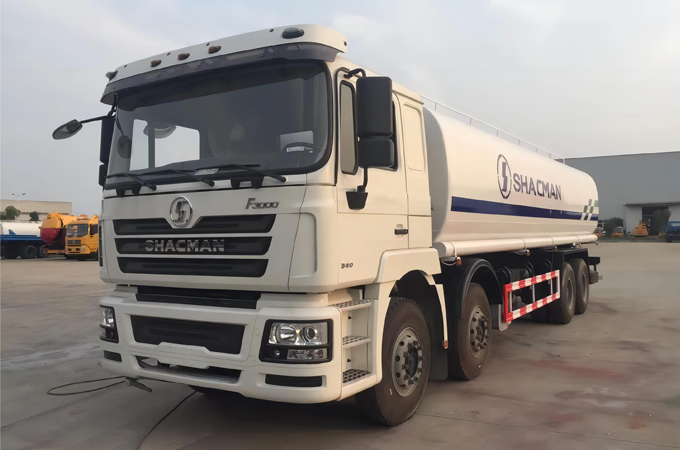
Water Tanker Truck: Clean the water tank to prevent corrosion; check pumps and valves for leaks or blockages.
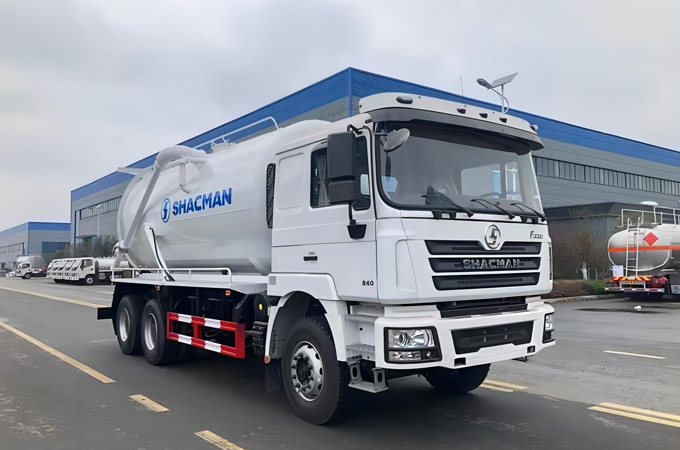
Fecal Suction Truck: Flush suction pipes, service the vacuum pump, and ensure the overflow valve functions properly.
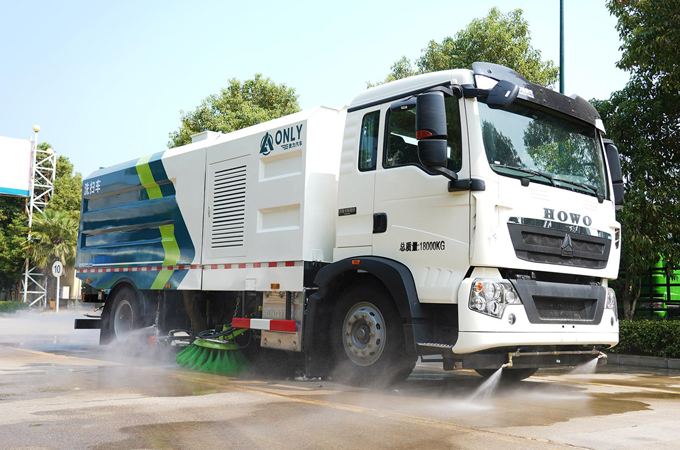
Road Sweeper Truck: Clear brushes and suction units; check the tightness and wear of drive belts.
Vacuum Cleaner Truck: Clean filters thoroughly; inspect vacuum system seals and motor operation status.
Sewage Suction Truck: Rinse discharge hoses, test tank pressure, and maintain the suction control system.
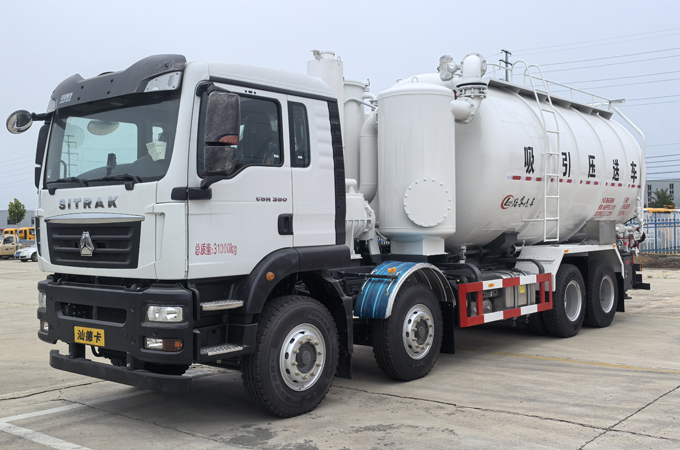
Vacuum Truck: Service the vacuum generator, check air tank pressure, and verify no pipeline leaks.
Fuel Capacity: A large fuel tank reduces the need for frequent refueling, allowing the truck to operate continuously for extended periods.
Onboard Power Supply: Provides reliable electricity for equipment such as suction pumps and lighting, ensuring uninterrupted workflow.
Cooling Systems: Efficient cooling protects engines and machinery from overheating, preventing breakdowns and maintaining optimal performance.
Overall Impact: Together, these components determine the continuous operational lifespan of a sanitation truck, enabling it to handle demanding tasks effectively.