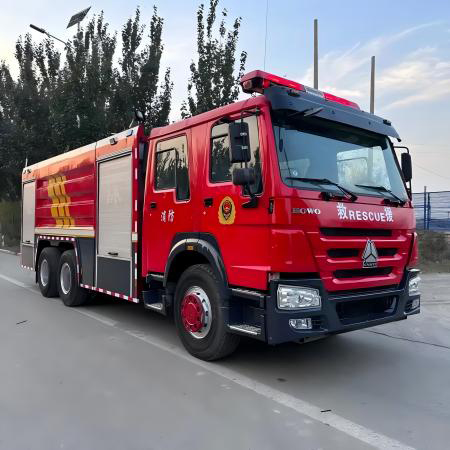
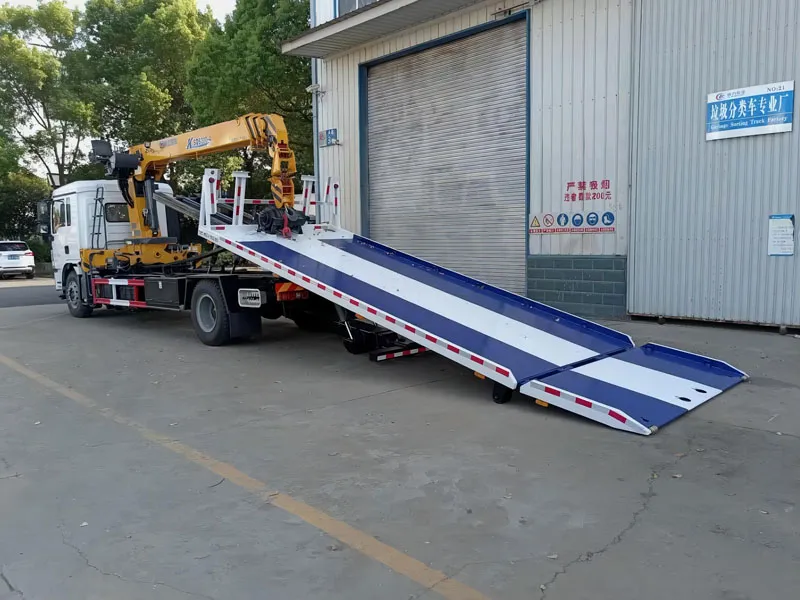
A wrecker truck should be maintained through a structured preventive maintenance program that includes daily inspections, hydraulic system checks, winch servicing, chassis inspections, brake maintenance, and scheduled component replacements. Regular maintenance improves recovery safety, reduces downtime, extends equipment life, and lowers long-term operating costs.
Introduction
A wrecker truck operates under some of the most demanding conditions in the commercial vehicle industry. Unlike conventional trucks that primarily transport cargo, recovery vehicles regularly lift heavy loads, pull disabled vehicles from difficult locations, and operate hydraulic equipment under high pressure.
These demanding tasks place continuous stress on the chassis, hydraulic systems, recovery boom, underlift, winches, suspension, brakes, and electrical components.
Without a structured maintenance program, small mechanical issues can quickly develop into costly repairs, unexpected breakdowns, or even dangerous recovery failures.
For towing companies, highway authorities, and commercial fleet operators, preventive maintenance is not simply a workshop routine—it is an essential part of ensuring safe operations, maximizing vehicle availability, and protecting long-term investment.
This guide provides a practical maintenance checklist that fleet managers can use to keep wrecker trucks operating safely and efficiently throughout their service life.
Why Preventive Maintenance Matters
Many fleet operators focus on repairing equipment only after problems occur.
This reactive approach often results in:
Higher repair costs
Unexpected vehicle downtime
Missed recovery assignments
Reduced customer satisfaction
Shorter equipment lifespan
Preventive maintenance shifts the focus from repairing failures to preventing them.
Benefits include:
Improved operational reliability
Lower lifetime maintenance costs
Better fuel efficiency
Higher resale value
Enhanced operator safety
Longer service life for critical recovery systems
For companies operating multiple recovery vehicles, preventive maintenance also simplifies fleet scheduling and reduces unplanned service interruptions.
Daily Maintenance Checklist
Before each shift, operators should perform a quick visual inspection of the wrecker truck.
Hydraulic System
Check for:
Even small leaks can reduce lifting performance and eventually damage hydraulic pumps.
Winch System
Inspect:
Any frayed cable should be replaced immediately to avoid failure during heavy recoveries.
Tires
Check:
Tire pressure
Uneven wear
Sidewall damage
Embedded debris
Wheel nut security
Proper tire condition directly affects towing stability.
Lights and Electrical Equipment
Verify operation of:
Headlights
Brake lights
Warning beacons
Work lights
Reverse lights
Turn signals
Visibility is especially important during night-time roadside recovery.
Fluid Levels
Inspect:
Engine oil
Coolant
Brake fluid
Power steering fluid
Windshield washer fluid
Hydraulic oil
Weekly Maintenance Checklist
Weekly inspections should focus on components that experience regular mechanical stress.
Recovery Boom
Inspect for:
Structural cracks
Weld integrity
Corrosion
Excessive movement
Hydraulic Cylinders
Check:
Rod condition
Oil seepage
Mounting pins
Cylinder alignment
Underlift
Verify:
Pivot joints
Locking mechanisms
Lift arms
Grease points
Tow Arm
Inspect:
Pins
Bushings
Wear plates
Locking devices
Chassis
Check for:
Frame cracks
Loose bolts
Rust
Suspension damage
Monthly Maintenance Checklist
Monthly inspections should involve a more detailed workshop evaluation.
Brake System
Inspect:
Brake pads
Brake discs
Air lines
Brake chambers
Parking brake
Suspension
Check:
Steering System
Inspect:
Steering linkage
Tie rods
Ball joints
Steering gear
Battery
Verify:
Voltage
Cable connections
Charging performance
Terminal corrosion
PTO (Power Take-Off)
Ensure:
Smooth engagement
No unusual vibration
Oil leaks
Proper lubrication
How Preventive Maintenance Reduces Downtime
Every hour a wrecker recovery truck spends in the workshop is an hour it cannot generate revenue or respond to roadside recovery assignments.
Preventive maintenance minimizes downtime by identifying small issues before they become major mechanical failures.
For example:
Similarly:
Replacing a frayed winch cable during inspection is inexpensive.
Recovering from a snapped cable during a roadside operation can lead to equipment damage, delayed service, and potential safety risks.
Fleet operators who follow structured maintenance schedules typically experience:
Higher vehicle availability
More predictable repair costs
Better customer response times
Longer equipment life
Improved fleet utilization
Seasonal Maintenance Tips
Environmental conditions can have a major impact on recovery equipment.
Winter Operations
Before winter, inspect:
Cold temperatures place additional stress on hydraulic components and electrical systems.
Summer Operations
High temperatures require attention to:
Preventing overheating is essential during long recovery operations.
Rainy Seasons
During wet weather:
Inspect electrical connectors
Lubricate exposed components
Check drainage systems
Clean recovery equipment after use
Removing moisture helps reduce corrosion and extends equipment life.
Conclusion
Maintaining a wrecker truck requires far more than changing engine oil or replacing worn tires. Because recovery vehicles operate under high loads and demanding conditions, every major system—including the hydraulic underlift, winch, chassis, PTO, suspension, and braking system—requires regular inspection and preventive maintenance.
By following structured daily, weekly, monthly, and annual maintenance schedules, fleet operators can significantly reduce unexpected breakdowns, improve recovery efficiency, and extend the service life of expensive recovery equipment.
For companies managing long-term recovery operations, preventive maintenance should be viewed not as an expense, but as an investment that improves safety, increases vehicle availability, and lowers total operating costs.
Frequently Asked Questions
1. How often should a wrecker truck be inspected?
A wrecker truck should undergo daily pre-operation inspections, weekly equipment checks, monthly workshop inspections, and comprehensive annual servicing. Maintenance schedules should also consider engine operating hours in addition to mileage.
2. Which system requires the most frequent maintenance?
The hydraulic system generally requires the most attention because it powers the underlift, boom, winch, and other recovery equipment. Hydraulic oil levels, hoses, seals, and cylinders should be inspected regularly.
3. How long does a winch cable typically last?
The service life depends on usage frequency, operating conditions, and maintenance practices. However, operators should inspect the cable before every recovery operation and replace it immediately if signs of fraying, corrosion, or structural damage are present.
4. Why should maintenance schedules be based on operating hours?
Recovery trucks often spend long periods operating hydraulic equipment while stationary. Engine hours more accurately reflect equipment wear than mileage alone.
5. What is the biggest cause of unexpected breakdowns?
Delayed preventive maintenance is one of the most common causes. Small issues such as hydraulic leaks or worn hoses can quickly develop into major mechanical failures if left unresolved.
6. How can fleet managers reduce maintenance costs?
Implementing preventive maintenance schedules, training operators to perform daily inspections, using quality replacement parts, and maintaining accurate service records all help reduce long-term maintenance expenses.