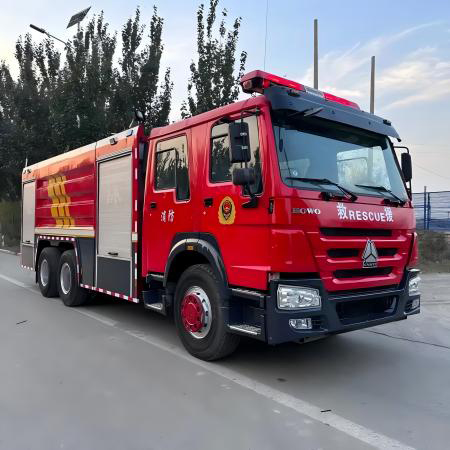
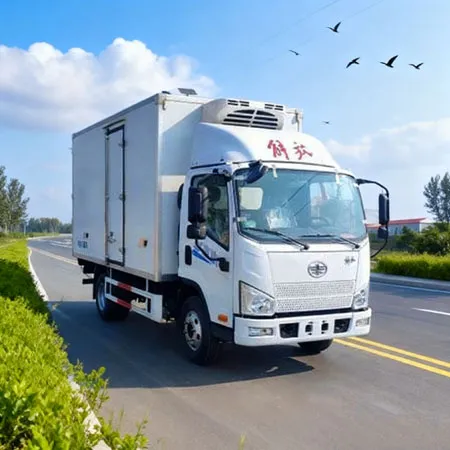
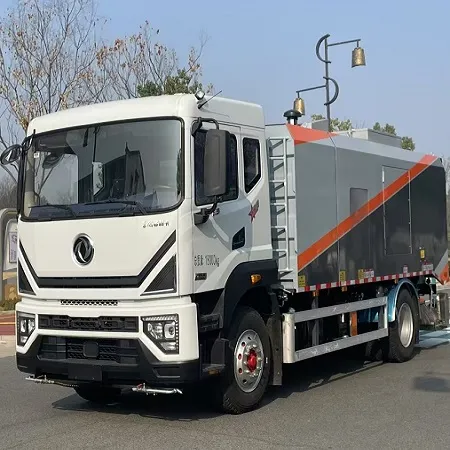
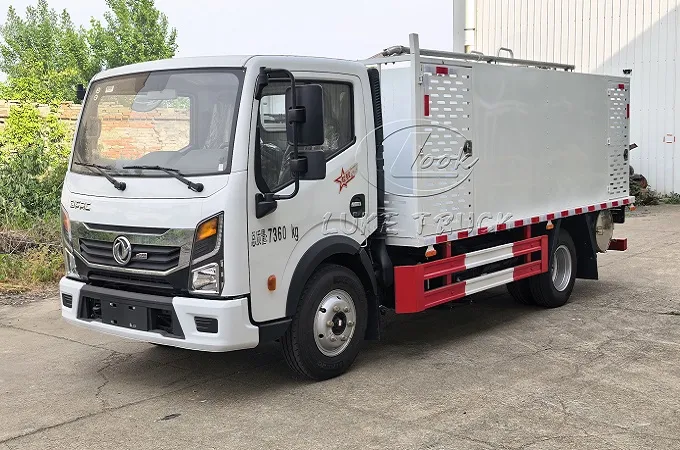
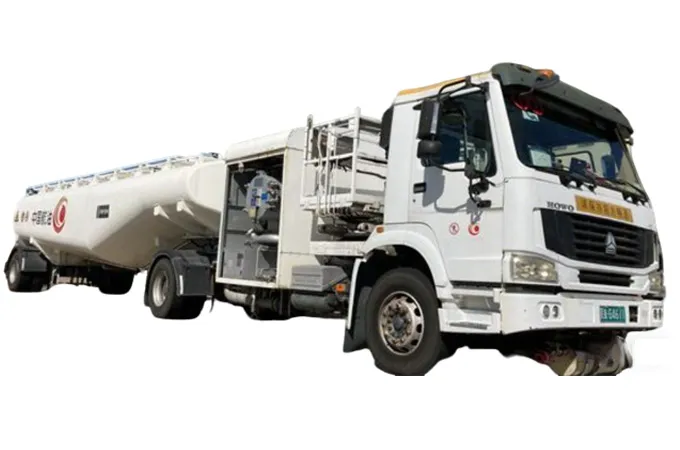
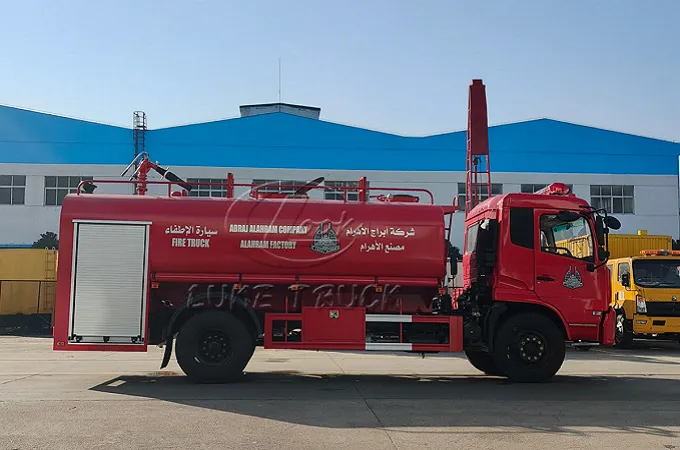
A Howo fire truck is a suitable choice for municipal and industrial firefighting operations that require a reliable heavy-duty chassis, flexible firefighting configurations, and strong load-carrying capability. For buyers, selecting the right Howo fire truck depends mainly on the application, including urban emergency response, factory protection, chemical facilities, and large-scale industrial firefighting.
Compared with compact firefighting vehicles designed for narrow roads, Howo fire trucks are commonly selected for operations that require higher capacity, longer working time, and more advanced firefighting systems. Buyers should evaluate chassis configuration, water and foam capacity, pump performance, equipment requirements, and local operating conditions before ordering.
For export markets, the best Howo fire truck is not necessarily the largest model, but the one that provides the right balance between firefighting capability, road adaptability, maintenance requirements, and total operating cost.
Why Choose a Howo Fire Truck?
Howo fire trucks are built on heavy-duty truck platforms designed for demanding transportation and special-purpose applications.
Key advantages include:
Strong chassis structure for heavy loads
Multiple drive configurations
Large payload capacity
Flexible body customization
Compatibility with different firefighting systems
These characteristics make Howo fire trucks suitable for buyers who need vehicles capable of carrying:
For municipal departments and industrial operators, vehicle reliability is essential because firefighting vehicles must remain ready for emergency deployment at any time.
Howo Fire Truck Applications: Municipal vs Industrial Needs
The first step in choosing a Howo fire truck is identifying the operating environment.
Municipal and industrial users often require different configurations.
Howo Fire Trucks for Municipal Firefighting
Municipal fire departments usually focus on:
Fast emergency response
Urban accessibility
Multi-purpose operation
Daily reliability
Common applications include:
Residential fires
Commercial buildings
Traffic accidents
Public facilities
Recommended configurations:
A balanced configuration allows firefighters to respond quickly while maintaining sufficient firefighting capability.
Howo Fire Trucks for Industrial Firefighting
Industrial facilities usually face higher fire risks and require stronger firefighting capability.
Typical industries include:
Manufacturing plants
Warehouses
Chemical facilities
Oil storage areas
Power plants
Industrial applications often require:
For these environments, a heavy-duty Howo fire truck configuration can provide additional capacity and operational flexibility.
Howo Fire Truck Chassis Options
The chassis determines the vehicle's payload, stability, and application range.
Howo 4×2 Fire Truck
A 4×2 configuration is suitable for:
Urban firefighting
Municipal response
Small industrial areas
Advantages:
Better maneuverability
Lower fuel consumption
Easier maintenance
Suitable for paved roads
This configuration is ideal when accessibility and operating efficiency are priorities.
Howo 6×4 Fire Truck
The 6×4 configuration is one of the most common choices for medium and heavy firefighting vehicles.
Suitable for:
Advantages:
A 6×4 Howo fire truck provides a balance between mobility and firefighting capability.
Howo 8×4 Fire Truck
An 8×4 chassis is designed for high-capacity firefighting applications.
Common uses:
Advantages:
However, buyers should confirm:
Road limitations
Garage space
Maintenance capability
before selecting this configuration.
How to Choose the Right Water Capacity for a Howo Fire Truck
Water capacity directly affects firefighting duration and vehicle size.
The right capacity depends on:
Small and Medium Capacity Configuration
Typical range:
2,000–5,000 liters
Suitable for:
Advantages:
Better maneuverability
Lower operating cost
Large Capacity Configuration
Typical range:
5,000–10,000 liters
Suitable for:
Industrial parks
Factories
Large commercial areas
Advantages:
High-Capacity Configuration
Typical range:
10,000 liters and above
Suitable for:
Advantages:
However, larger tanks require stronger chassis support and careful weight calculation.
Pump System Selection for Howo Fire Trucks
The pump is one of the most important firefighting components.
Buyers should evaluate:
Flow Rate
A higher flow rate is useful for:
Pressure Performance
Pump pressure affects:
Reliability and Maintenance
For export buyers, the pump system should offer:
Easy maintenance
Spare parts availability
Stable operation
A powerful pump is valuable only when it matches the actual firefighting requirement.
Howo Fire Truck Equipment Configuration
Depending on the application, buyers can choose additional equipment.
Common options include:
Firefighting Equipment
Fire hoses
Nozzles
Water monitor
Hose reels
Rescue Equipment
Hydraulic rescue tools
Cutting equipment
Emergency lighting
Safety and Communication Systems
Warning lights
Communication devices
Scene lighting systems
The equipment layout should allow firefighters to access tools quickly during emergencies.
Conclusion
A Howo fire truck provides a reliable solution for municipal and industrial firefighting applications where strong chassis performance, flexible capacity options, and customized configurations are required.
For buyers, the correct selection depends on application requirements, water and foam capacity, pump performance, chassis type, and operating environment. A properly configured Howo fire truck can provide efficient emergency response for cities, factories, and high-risk industrial facilities.
Frequently Asked Questions
1. What is a Howo fire truck used for?
A Howo fire truck is used for municipal firefighting, industrial fire protection, emergency response, and specialized firefighting operations.
2. What chassis options are available for Howo fire trucks?
Common options include 4×2, 6×4, and 8×4 chassis configurations depending on capacity and application requirements.
3. How much water can a Howo fire truck carry?
Capacity varies by model and configuration, typically ranging from several thousand liters to more than 10,000 liters for heavy-duty applications.
4. Is Howo fire truck suitable for factories?
Yes. Howo fire trucks are commonly selected for factories and industrial facilities because they can support larger tanks, pumps, and firefighting equipment.
5. What is the difference between a Howo fire truck and a small fire truck?
A Howo fire truck generally provides higher payload capacity and larger firefighting systems, while a small fire truck focuses on maneuverability and access.