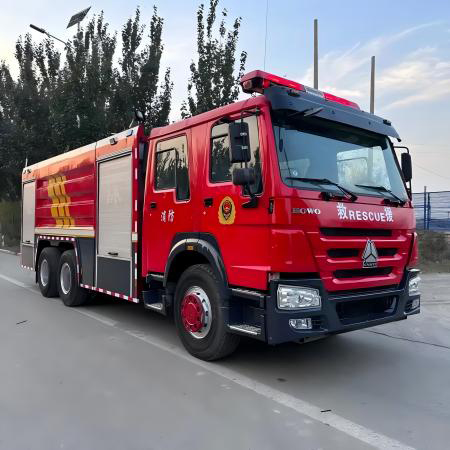
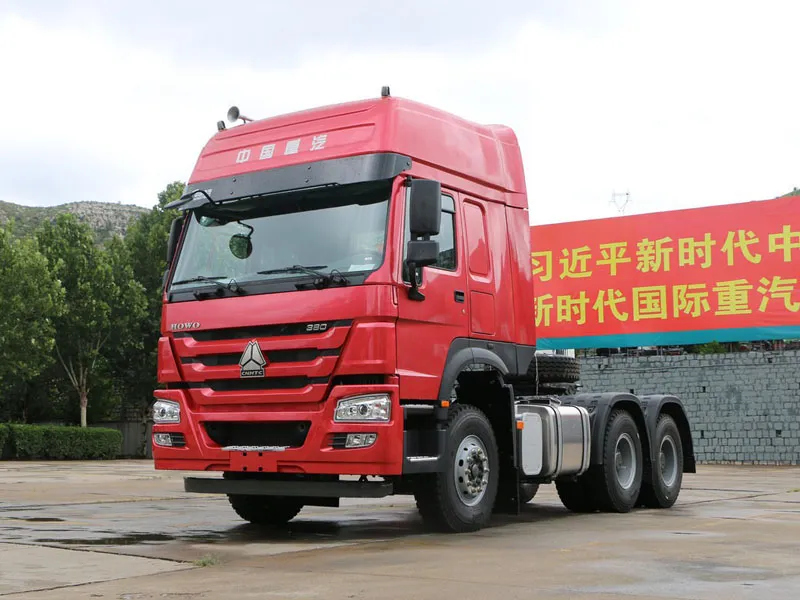
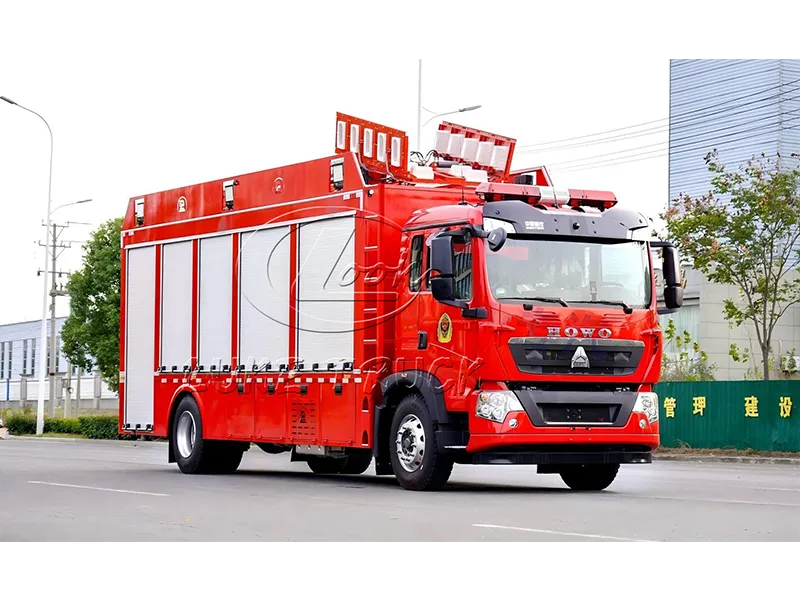
A fire truck export case video helps buyers understand how a firefighting vehicle is configured, manufactured, tested, and delivered for real-world applications. Instead of evaluating a supplier only through specifications and product photos, export buyers can learn more from actual delivery projects, including chassis selection, equipment installation, quality inspection, transportation process, and final operation conditions.
For international buyers, a successful fire truck purchase involves more than choosing a vehicle model. Different countries and industries have different requirements for road conditions, firefighting standards, climate adaptation, maintenance capability, and emergency response tasks.
By reviewing real export delivery cases, buyers can better evaluate whether a supplier has the experience, customization capability, and production reliability required for their project.
Why Are Fire Truck Export Cases Important for Buyers?
Purchasing a fire truck is a long-term investment. Unlike standard commercial vehicles, firefighting vehicles involve complex systems, including:
Vehicle chassis
Water and foam systems
Fire pumps
Storage compartments
Emergency equipment
Control systems
A supplier may provide technical specifications, but real delivery cases show how those specifications are applied in actual projects.
Export case videos can help buyers understand:
What types of vehicles the manufacturer has produced
Whether the supplier can complete customized projects
How vehicles are tested before shipment
How firefighting equipment is installed
Whether similar customers have comparable requirements
For B2B buyers, real project experience is often more valuable than general product descriptions.
What Should Buyers Look for in a Fire Truck Delivery Video?
Not every delivery video provides the same level of useful information.
Professional buyers should focus on several key details.
1. Vehicle Configuration and Application Match
The first thing buyers should evaluate is whether the delivered vehicle matches their intended application.
A delivery case should clearly show:
For example:
A municipal fire department may require:
Fast response capability
Moderate water capacity
Urban maneuverability
An industrial customer may require:
Larger tanks
Foam systems
Higher pump capacity
A successful export case demonstrates that the supplier understands different operational needs.
2. Chassis Selection Experience
The chassis determines the vehicle’s reliability, load capacity, and adaptability.
From export cases, buyers can evaluate whether the manufacturer has experience working with different chassis platforms, including:
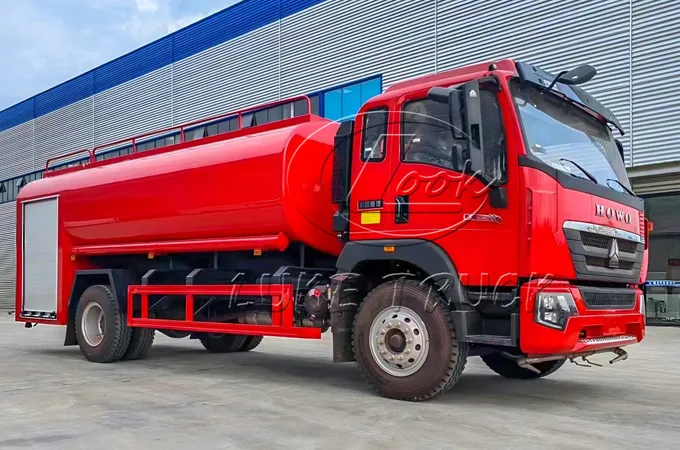
Howo fire truck chassis
Sinotruk fire truck chassis
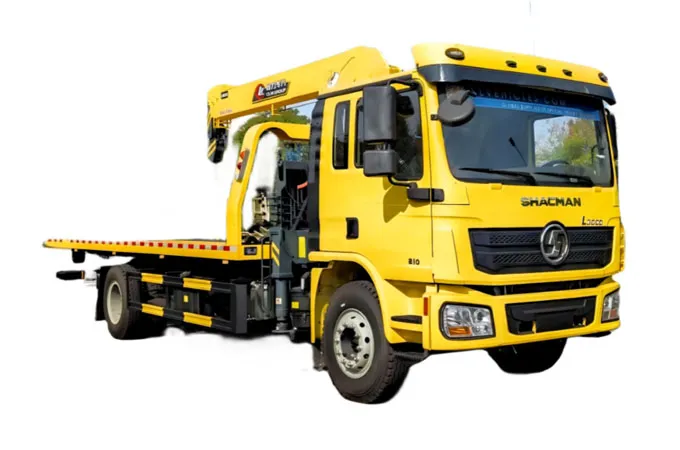
Shacman fire truck chassis
Other commercial truck platforms
Important details include:
Axle configuration
Engine performance
Payload capacity
Driving environment
A supplier with experience across different chassis options can usually provide more flexible solutions.
3. Customization Capability
Fire trucks are rarely one-size-fits-all products.
Different customers may require customization based on:
Delivery videos can reveal whether the manufacturer can customize:
Tank Configuration
Including:
Water tank size
Foam tank capacity
Material selection
Equipment Layout
Including:
Side compartments
Rear storage
Tool mounting systems
Firefighting Systems
Including:
Pumps
Fire monitors
Hose reels
Control systems
A supplier’s previous customized projects demonstrate its engineering capability.
4. Manufacturing and Inspection Process
A professional export case should show more than the finished vehicle.
Buyers should look for evidence of:
Production process
Welding quality
Equipment installation
Painting process
Performance testing
Before shipment, a fire truck should normally undergo inspections such as:
These steps reduce potential problems after delivery.
5. Export and Shipping Experience
International delivery involves more than manufacturing.
Export buyers should consider whether the supplier understands:
A supplier with previous export cases is more familiar with:
This is especially important for buyers ordering from overseas.
Learning from Different Fire Truck Export Cases
Different projects can provide different purchasing insights.
Case Type 1: Municipal Fire Department Projects
Municipal customers usually prioritize:
Reliable daily operation
Fast emergency response
Easy maintenance
Multi-purpose capability
Common vehicle configurations:
Water tank fire truck
Rescue fire truck
Medium-duty fire truck
What buyers can learn:
How to balance capacity and maneuverability
What equipment is necessary for urban response
How suppliers adapt vehicles for government projects
Case Type 2: Industrial Fire Protection Projects
Industrial customers often require stronger firefighting capability.
Applications include:
Factories
Chemical plants
Energy facilities
Storage terminals
Common configurations:
What buyers can learn:
How foam systems are configured
How larger capacities affect chassis selection
How vehicles are adapted for high-risk environments
Case Type 3: Rural and Remote Area Projects
Remote locations often have different challenges:
Poor road conditions
Limited water sources
Long response distances
Common configurations:
What buyers can learn:
Importance of vehicle size
Need for off-road capability
How to balance mobility and firefighting capacity
Conclusion
Real fire truck export cases provide valuable information that product catalogs alone cannot show. By reviewing delivery videos, buyers can better understand a supplier’s manufacturing capability, customization experience, quality control process, and international delivery experience.
For export buyers, the best supplier is not only one that offers the right vehicle specifications but also one that has proven experience delivering similar firefighting solutions to different markets.
Frequently Asked Questions
1. Why should buyers review fire truck export cases?
Export cases help buyers evaluate supplier experience, vehicle quality, customization ability, and delivery capability.
2. What information can buyers learn from a fire truck delivery video?
Buyers can learn about vehicle configuration, manufacturing quality, testing process, customization details, and shipping preparation.
3. Are export cases important when choosing a fire truck supplier?
Yes. Previous export experience shows whether a supplier understands international requirements and project management.
4. What should I check in a fire truck export case?
Check the vehicle type, chassis, capacity, equipment configuration, testing process, and final application.