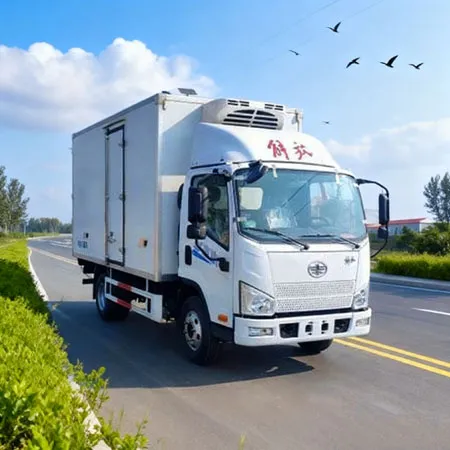
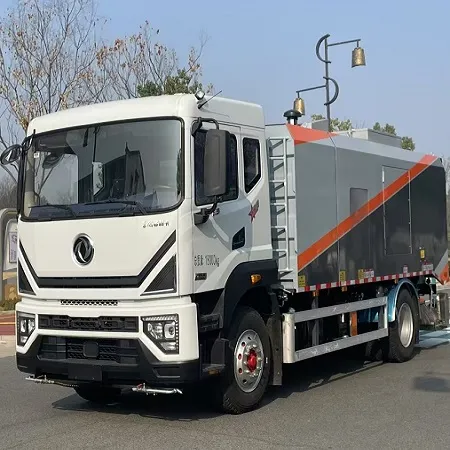
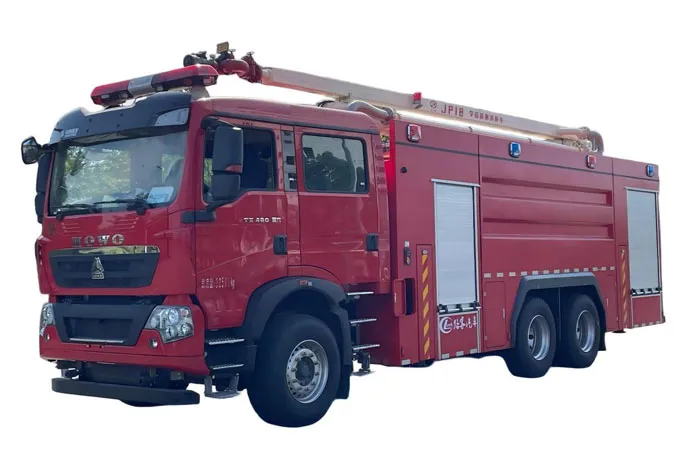
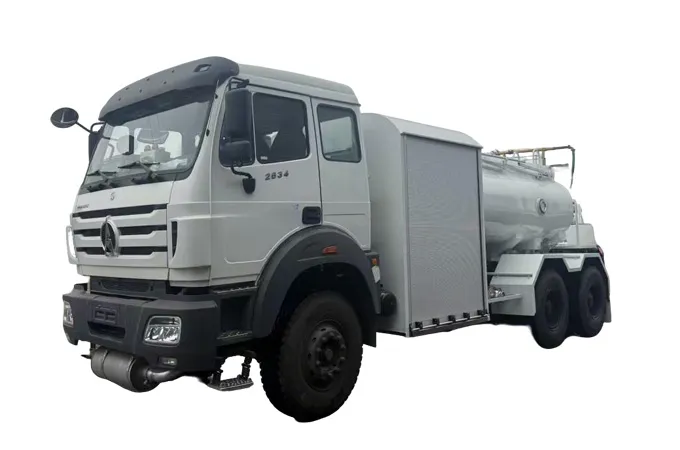
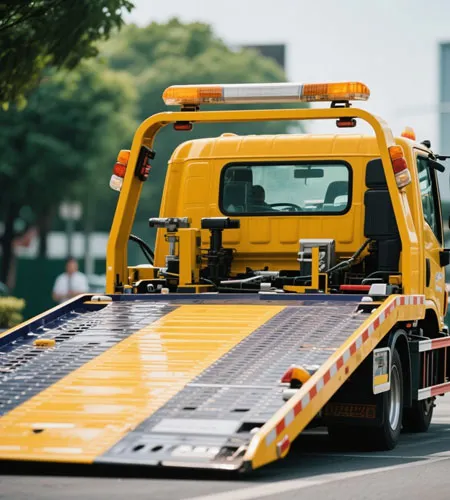
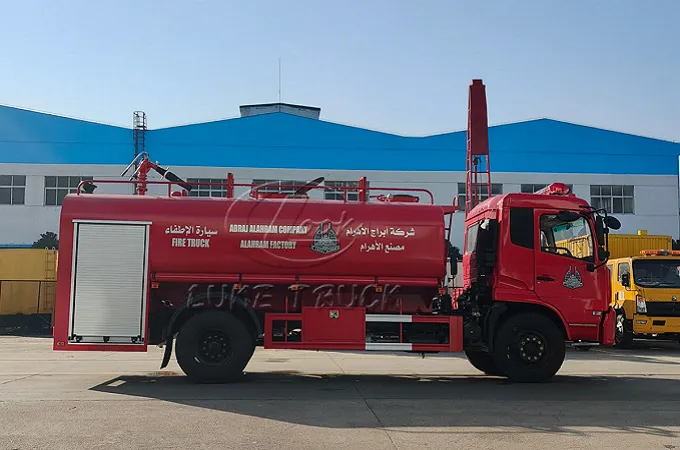
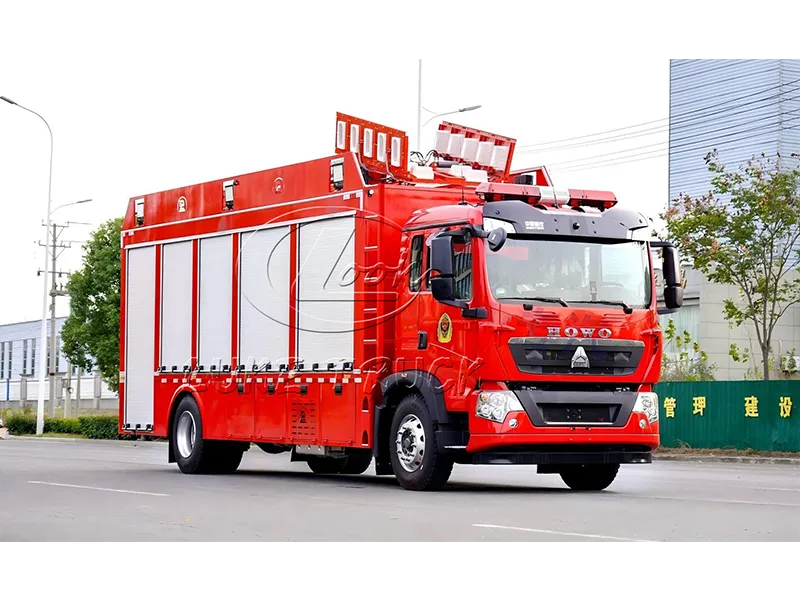
Before ordering a wrecker truck, buyers should prepare key information such as the types of vehicles to be recovered, required towing capacity, preferred chassis brand, recovery equipment, operating environment, destination country, regulatory requirements, and customization needs. Providing complete information helps manufacturers recommend the right configuration and avoid costly modifications later.
Introduction
Ordering a wrecker truck is very different from purchasing a standard commercial vehicle. Recovery trucks are highly specialized machines, and almost every project involves some level of customization based on the customer's operating environment, vehicle types, local regulations, and business requirements.
Many buyers focus primarily on price when requesting a quotation. However, experienced manufacturers often need much more information before they can recommend the right configuration. Missing or incomplete details may lead to inaccurate quotations, unnecessary design changes, or equipment that does not fully meet operational needs.
Whether you are a towing company, municipal authority, highway maintenance contractor, or fleet operator, preparing the right information before contacting a supplier can significantly shorten the purchasing process and ensure you receive a wrecker truck that matches your recovery operations.
This guide explains the essential information manufacturers typically request before beginning the design and production process.
Why Manufacturers Need Detailed Project Information
Unlike mass-produced commercial trucks, recovery vehicles are often built to order.
Different customers may require:
Different towing capacities
Different chassis brands
Various hydraulic systems
Crane options
Winch capacities
Storage layouts
Lighting packages
Country-specific certifications
Even two customers purchasing similar wrecker trucks may require completely different configurations depending on their daily recovery tasks.
Providing accurate project information allows manufacturers to recommend the most suitable solution instead of simply offering a standard vehicle.
1. What Types of Vehicles Will You Recover?
This information determines almost every major design decision.
Examples include:
Passenger Cars
Typical requirements:
Compact wheel lift
Medium-capacity winch
4×2 chassis
Fast urban response
Commercial Vans
Recovery equipment usually requires:
Medium Trucks
Manufacturers may recommend:
6×4 chassis
Heavy-duty recovery boom
Dual winches
Reinforced suspension
Heavy Trucks and Buses
These recoveries often require:
Understanding the average vehicle weight is far more helpful than simply stating "commercial vehicles."
2. Required Towing and Lifting Capacity
Manufacturers typically need to know:
Providing realistic operating data helps engineers size hydraulic cylinders, recovery booms, and chassis components correctly.
3. Which Chassis Brand Do You Prefer?
Common options include:
ISUZU
SINOTRUK HOWO
Dongfeng
SHACMAN
FOTON
FAW
IVECO
Mercedes-Benz
MAN
Scania
When selecting a chassis, buyers should also consider:
4. Where Will the Truck Operate?
Manufacturers typically ask whether the truck will be used in:
Urban streets
Highways
Mountainous regions
Construction sites
Mining areas
Coastal environments
Desert conditions
For example, recovery vehicles operating in mining areas often require reinforced suspension, larger tires, and additional underbody protection, while urban rescue fleets usually prioritize compact dimensions and maneuverability.
5. Which Recovery Equipment Do You Need?
A wrecker truck is much more than a chassis with a towing system. The recovery equipment installed on the vehicle determines what types of jobs it can safely perform.
When evaluating a wrecker truck for sale, buyers should consider which recovery tools are essential for their daily operations before requesting a quotation.
Common equipment includes:
Not every fleet requires every option. For example, a roadside assistance company that mainly tows passenger vehicles may only need a wheel-lift system and a medium-capacity winch. In contrast, companies recovering commercial trucks or construction machinery often require dual winches, reinforced booms, and larger hydraulic systems.
6. Do You Need a Crane?
One of the most important questions during the purchasing process is whether the truck should include a crane.
Although cranes increase the purchase price, they also expand the range of recovery tasks the vehicle can perform.
A wrecker truck with crane is particularly useful for:
Recovering vehicles in ditches
Lifting accident-damaged cars
Moving construction equipment
Loading machinery onto trailers
Recovering overturned vehicles
Working in confined spaces where conventional towing is difficult
However, if your business mainly provides urban roadside assistance for passenger vehicles, a crane may not be necessary.
7. Which Country Will the Truck Be Exported To?
Export destination is far more important than many buyers realize.
Different countries have different requirements for:
Vehicle dimensions
Maximum axle loads
Emission standards
Lighting systems
Reflective markings
Safety regulations
Steering position
Electrical standards
For example, some markets require left-hand drive vehicles, while others require right-hand drive configurations.
Similarly, emission regulations may vary between Euro III, Euro V, or Euro VI standards depending on local legislation.
Providing the destination country at the beginning of the project helps manufacturers ensure the truck complies with local regulations before production starts.
8. Do You Have Any Customization Requirements?
One advantage of ordering directly from a manufacturer is the ability to customize the vehicle.
Typical customization requests include:
Company Branding
Many fleet operators request:
Company logos
Custom paint colors
Reflective graphics
Fleet numbering
Safety decals
These additions improve brand recognition while maintaining a professional appearance.
Storage Layout
Different industries require different storage solutions.
For example:
Highway rescue teams often carry traffic management equipment.
Utility companies may require electrical tools.
Municipal fleets often transport safety barriers and maintenance equipment.
Custom compartment layouts improve workflow and make essential tools easier to access during emergency operations.
Lighting Systems
Optional lighting upgrades may include:
Improved visibility enhances operator safety, especially during night-time recoveries.
9. What Is Your Budget Range?
Some buyers avoid discussing budget because they worry it will affect pricing.
In reality, providing a realistic budget helps manufacturers recommend the most appropriate solution.
For example:
A customer with a limited budget may prioritize:
A customer with a larger budget may consider:
Premium chassis brands
Dual winches
Heavy-duty hydraulic systems
Crane installation
Advanced lighting packages
Remote control operation
Customized storage systems
Being transparent about budget expectations helps both parties reach an efficient solution more quickly.
10. What Is Your Expected Delivery Schedule?
Production time varies depending on vehicle specifications, component availability, and customization requirements.
Manufacturers generally need to know:
For example, government procurement projects or large fleet expansion plans often have strict delivery schedules.
Providing this information early helps manufacturers organize production more effectively and reduce the risk of delays.
Conclusion
Ordering a wrecker truck is more than requesting a price—it requires careful planning and clear communication. By providing information such as the types of vehicles you recover, required towing capacity, preferred chassis, operating environment, destination country, and customization needs, manufacturers can recommend the most suitable solution from the beginning.
A well-prepared inquiry helps reduce design revisions, avoid production delays, and ensures the finished wrecker truck meets your operational requirements. Taking the time to define your needs before placing an order will lead to a more efficient purchasing process and a vehicle that delivers reliable performance for years to come.
Frequently Asked Questions
1. Why is the destination country important?
Different countries have unique regulations covering emissions, axle loads, lighting, safety equipment, and vehicle dimensions. Knowing the destination ensures the truck complies with local standards before production.
2. Should I choose a standard model or a customized wrecker truck?
If your recovery operations involve specific vehicle types, unique working environments, or special equipment needs, a customized wrecker truck generally offers better long-term value and operational efficiency.
3. Do I need a crane on my wrecker truck?
A crane is recommended if your work involves lifting damaged vehicles, recovering equipment from difficult locations, or handling overturned vehicles. For routine passenger vehicle towing, a standard recovery truck may be sufficient.