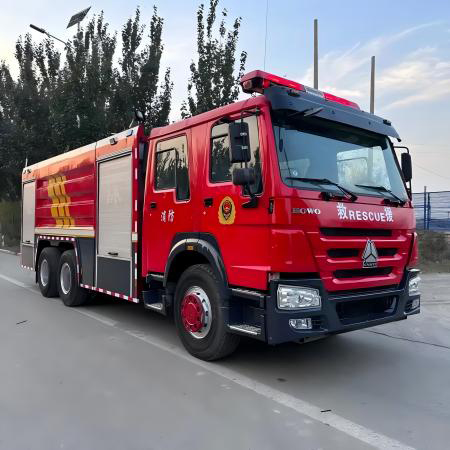
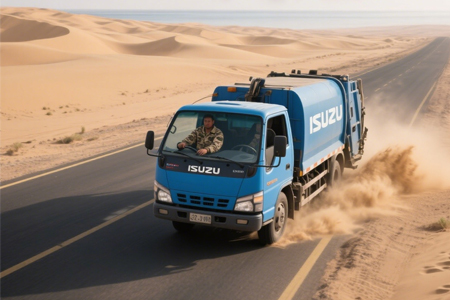
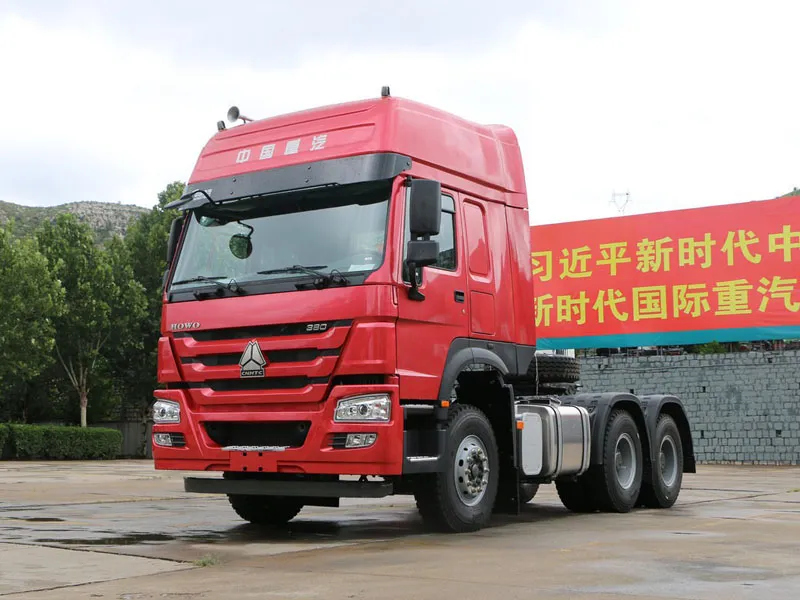
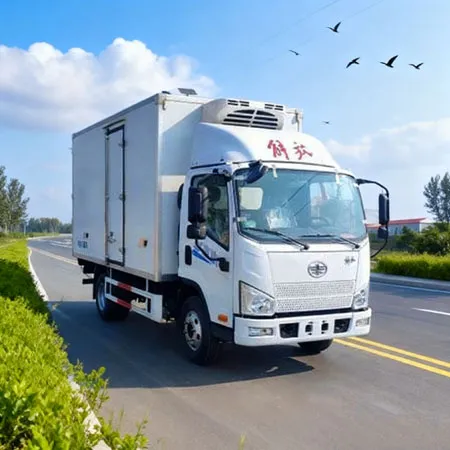
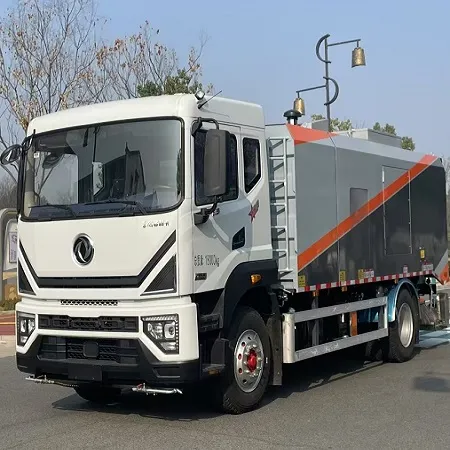
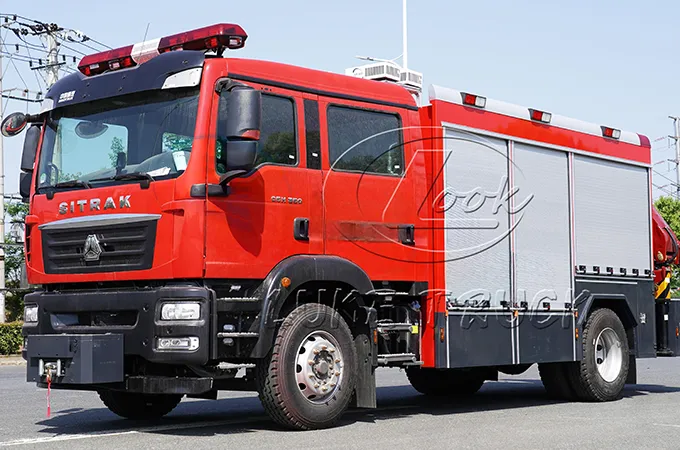
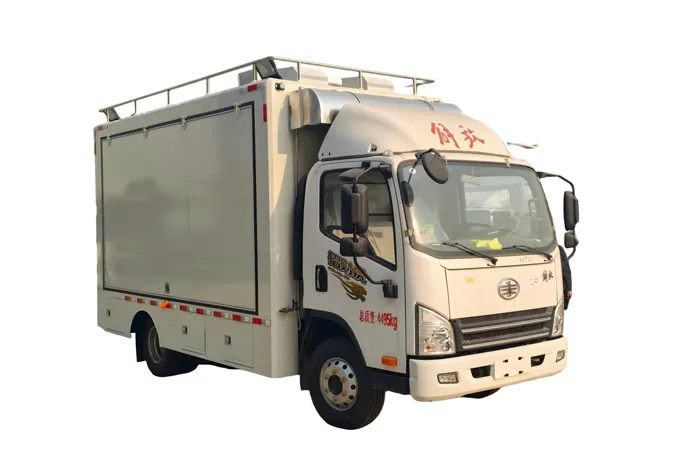
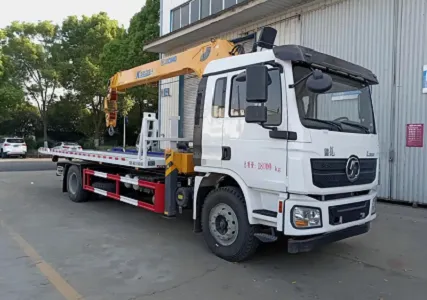
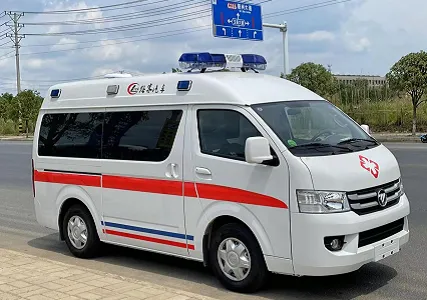
A road rescue truck is designed to provide rapid roadside assistance, vehicle recovery, emergency repairs, and traffic incident management. Choosing the right model depends on response environment, recovery equipment, chassis configuration, fleet size, and the types of vehicles being serviced.
Introduction
For highway authorities, roadside assistance companies, municipal agencies, and commercial fleet operators, minimizing vehicle downtime is a top priority. Every minute a disabled vehicle remains on the road increases traffic congestion, creates safety risks, and can disrupt business operations.
A road rescue truck is designed to respond quickly to these situations. Unlike standard tow trucks that focus primarily on transporting disabled vehicles, road rescue trucks are equipped to provide on-site assistance, secure accident scenes, perform basic repairs, and recover vehicles when necessary.
Because every organization has different operational needs, selecting the right rescue vehicle requires more than comparing towing capacities or purchase prices. Buyers must evaluate response environments, service requirements, fleet composition, and long-term operating costs.
This guide explains the key factors highway authorities and fleet managers should consider before investing in a road rescue truck.
What Is a Road Rescue Truck?
A road rescue truck is a specialized service vehicle designed to respond to roadside emergencies involving passenger cars, commercial vehicles, buses, or heavy equipment.
Unlike vehicles dedicated solely to towing, a road rescue truck often combines multiple functions into a single platform.
Typical capabilities include:
Emergency roadside assistance
Vehicle recovery
Accident scene management
Battery jump-start services
Tire replacement
Fuel delivery
Winching operations
Minor mechanical repairs
Traffic safety support
This versatility allows rescue teams to resolve many incidents without transporting the disabled vehicle, improving response efficiency and reducing highway disruption.
Who Needs a Road Rescue Truck?
Road rescue vehicles are used across a wide range of industries where fast response and operational reliability are essential.
Highway Maintenance Authorities
Government agencies responsible for highways use road rescue trucks to:
Remove disabled vehicles
Clear accident scenes
Restore traffic flow
Improve road safety
Commercial Fleet Operators
Companies managing delivery trucks, buses, utility vehicles, or logistics fleets rely on rescue trucks to reduce downtime and keep vehicles operational.
Towing and Recovery Companies
Many towing businesses expand their services by offering roadside assistance in addition to vehicle recovery.
A well-equipped road rescue truck enables technicians to resolve minor issues on-site, reducing unnecessary towing jobs.
Municipal Emergency Services
City maintenance departments and emergency response teams often use an emergency truck to support public infrastructure, assist stranded motorists, clear minor road incidents, and coordinate traffic management during emergencies.
Essential Equipment Every Road Rescue Truck Should Have
The effectiveness of a road rescue truck depends on its onboard equipment.
Rather than selecting every available option, buyers should prioritize tools that match their most common service scenarios.
Recovery Equipment
Core recovery equipment typically includes:
Hydraulic winch
Tow arm
Underlift
Recovery chains
Wheel lift system
These components enable the vehicle to recover disabled cars and light commercial vehicles safely.
Safety Equipment
High-visibility safety systems are essential for roadside operations, particularly on busy highways.
Recommended equipment includes:
These features improve operator safety and help direct traffic around incident scenes.
Service Equipment
Many rescue trucks also carry tools for minor roadside repairs, including:
Air compressors
Battery boosters
Hydraulic jacks
Tire inflation systems
Hand tools
Portable generators
Providing basic repairs on-site often eliminates the need for towing altogether.
Storage Solutions
Efficient storage allows technicians to locate equipment quickly during emergencies.
Well-designed rescue trucks typically include:
Proper organization reduces response times and improves productivity.
Highway Operations vs. Urban Roadside Assistance
Although both highway rescue teams and urban roadside assistance providers use road rescue trucks, their operational requirements are quite different.
Understanding these differences helps buyers select the most appropriate vehicle configuration.
| Feature | Highway Operations | Urban Roadside Assistance |
|---|
| Primary Goal | Clear traffic quickly | Assist stranded motorists |
| Average Response Distance | Long | Short |
| Typical Vehicle Types | Cars, trucks, buses | Passenger cars and SUVs |
| Traffic Environment | High-speed highways | City streets |
| Required Equipment | Heavy recovery tools, lighting, traffic control | Battery boosters, tire service, basic recovery |
| Recommended Chassis | 6×4 or 8×4 | 4×2 or 6×4 |
Highway rescue vehicles often spend more time operating in hazardous environments with heavy traffic. As a result, visibility equipment, powerful lighting systems, and larger storage compartments become just as important as towing capability.
Urban roadside assistance vehicles, on the other hand, benefit from compact dimensions that improve maneuverability in narrow streets, parking garages, and residential neighborhoods.
Fleet Buying Considerations
Fleet managers should evaluate far more than the purchase price when investing in a road rescue truck.
A well-planned fleet improves response time, reduces maintenance costs, and increases vehicle utilization.
Fleet Size
The number of rescue vehicles required depends on:
Instead of purchasing one large vehicle, many operators achieve better efficiency by deploying multiple rescue trucks across different service regions.
Vehicle Standardization
Using the same chassis platform and recovery equipment throughout the fleet simplifies:
Driver training
Spare parts inventory
Preventive maintenance
Technician familiarity
Repair procedures
Standardization also reduces long-term operating costs and minimizes downtime.
Driver Comfort and Safety
Road rescue operators often spend long hours behind the wheel and work in challenging weather conditions.
Important cab features include:
A comfortable driver is more productive and less likely to make mistakes during emergency operations.
Conclusion
A road rescue truck is much more than a towing vehicle. It serves as a mobile emergency response platform capable of providing roadside assistance, traffic incident management, minor repairs, and vehicle recovery.
For highway authorities, municipal agencies, towing companies, and commercial fleet operators, selecting the right rescue truck requires balancing response capability, chassis configuration, onboard equipment, operating costs, and future business needs.
Rather than focusing solely on towing specifications, buyers should evaluate how the vehicle will perform during real-world emergencies. A properly equipped rescue truck improves response times, enhances operator safety, minimizes fleet downtime, and contributes to smoother traffic flow.
Investing in the right solution today not only increases operational efficiency but also provides long-term value as service demands continue to grow.
Frequently Asked Questions
1. What is a road rescue truck used for?
A road rescue truck is used for roadside assistance, emergency vehicle recovery, traffic incident management, minor mechanical repairs, and transporting disabled vehicles when necessary.
2. Who typically operates road rescue trucks?
Road rescue trucks are commonly used by highway authorities, municipal maintenance departments, commercial fleet operators, roadside assistance companies, and professional towing services.
3. Can a road rescue truck replace a wrecker truck?
Not entirely. While a road rescue truck can handle many roadside incidents, heavy recoveries involving buses, tractor units, or overturned trucks generally require a dedicated wrecker truck.
4. What equipment should every road rescue truck carry?
Essential equipment includes recovery tools, warning lights, traffic safety devices, battery boosters, air compressors, hydraulic jacks, winches, communication systems, and organized storage compartments.
5. How can a road rescue truck reduce fleet downtime?
By performing services such as jump-starts, tire replacement, fuel delivery, and minor repairs directly at the roadside, many vehicles can return to operation without needing to be towed to a repair facility.