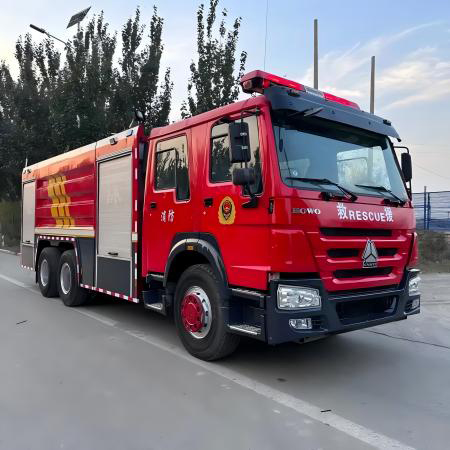
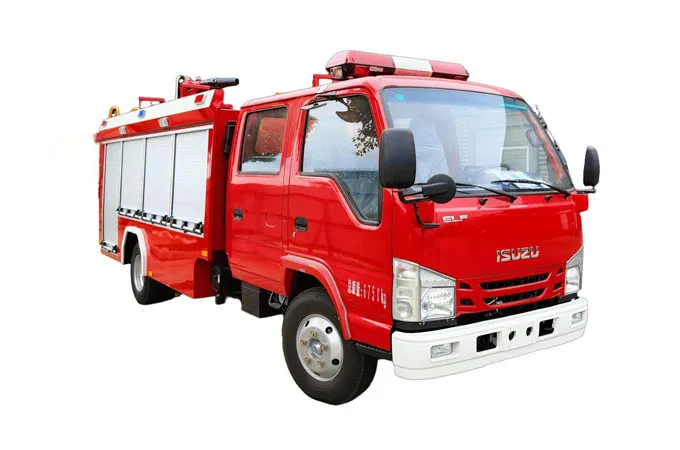
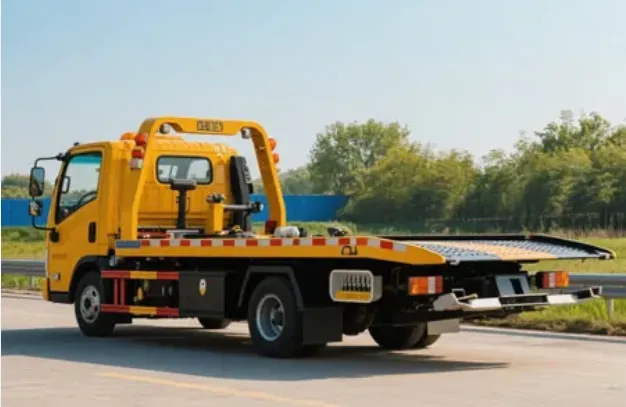
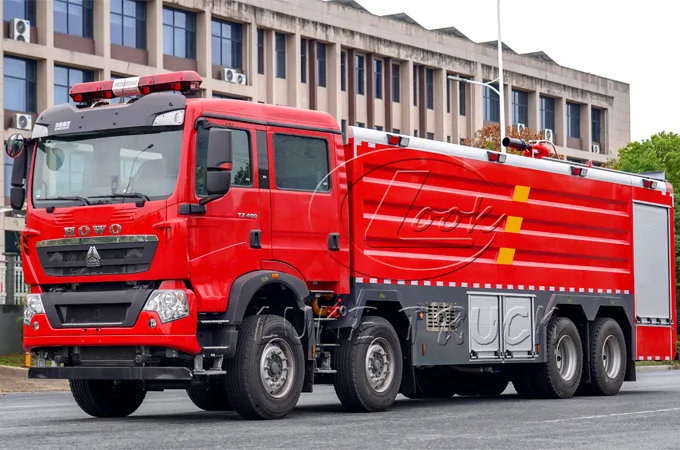
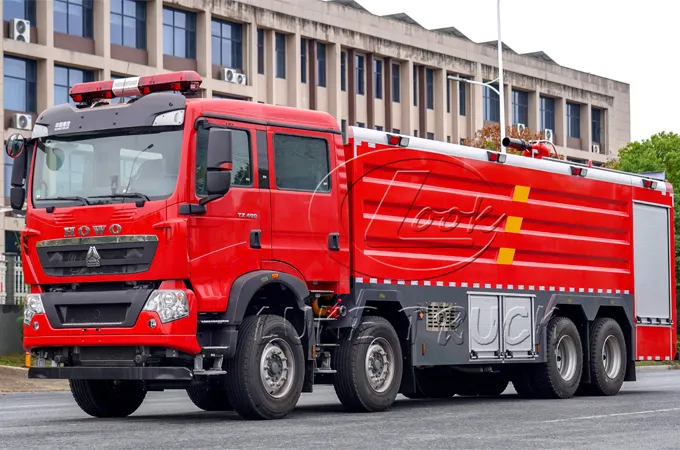
When choosing fire trucks for sale, buyers should first determine the main firefighting requirements. Water fire trucks are ideal for general fire suppression, foam fire trucks are designed for fuel and chemical fires, while rescue fire trucks focus on emergency response, vehicle rescue, and specialized equipment support.
Introduction
Choosing the right fire trucks for sale requires more than comparing vehicle size or water tank capacity. Different emergencies require different firefighting capabilities, and selecting the wrong configuration can reduce operational efficiency during critical situations.
The three most common types of fire trucks include water fire trucks, foam fire trucks, and rescue fire trucks. While they may look similar from the outside, each vehicle is designed for specific applications.
Water fire trucks are commonly used for urban firefighting and general fire suppression. Foam fire trucks provide specialized protection for fuel, chemical, and industrial fires. Rescue fire trucks are equipped with tools and equipment for emergency rescue operations, including traffic accidents, collapsed structures, and disaster response.
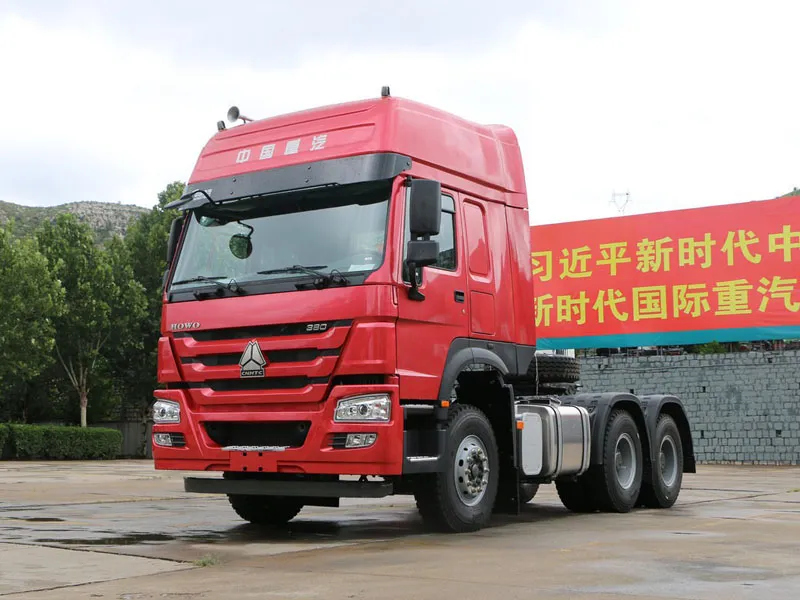
Understanding the differences between these vehicles helps fire departments, industrial facilities, municipalities, and emergency service providers select the right solution for their operational needs. For buyers looking for a reliable commercial chassis platform, a HOWO fire truck can be configured with different firefighting systems, including water tanks, foam systems, and rescue equipment, depending on specific application requirements.
What Should You Consider Before Buying a Fire Truck?
Before choosing between different types of fire trucks for sale, buyers should evaluate several important factors.
What Type of Fire Risks Do You Face?
The first consideration is the type of emergency your organization typically handles.
Different environments have different risks:
Urban Areas
Common incidents include:
A standard water fire truck is often the primary response vehicle.
Industrial Facilities
Factories, warehouses, chemical plants, and fuel storage areas may require:
Foam fire trucks are commonly used in these environments.
Highways and Transportation Areas
Road accidents often require:
Rescue fire trucks are often better suited for these situations.
Water Fire Trucks: The Standard Fire Suppression Solution
A water fire truck is the most common type of firefighting vehicle worldwide.
Its main purpose is to transport and deliver large amounts of water quickly to fire scenes.
Main Features
Typical water fire trucks include:
Water tank
Fire pump
Hose system
Water cannon
Ladder equipment
Emergency lighting
The combination of onboard water storage and pumping capability allows firefighters to begin suppression operations even before connecting to external water sources.
Advantages of Water Fire Trucks
Water fire trucks are widely used because they offer:
Fast Initial Response
Firefighters can immediately begin extinguishing operations without waiting for hydrants or additional water supply.
Versatility
They can handle many common fire scenarios, including:
Residential fires
Office buildings
Warehouses
Vehicle fires
Outdoor fires
Lower Operating Complexity
Compared with specialized fire vehicles, water fire trucks are generally easier to operate and maintain.
Limitations
Water alone is not always effective for every type of fire.
For example:
Fuel fires
Oil fires
Chemical fires
may require foam-based suppression systems.
Foam Fire Trucks: Designed for Special Fire Risks
A foam fire truck is designed for situations where water alone cannot effectively control the fire.
Foam creates a protective layer that separates fuel from oxygen and helps prevent re-ignition.
Common Applications
Foam fire trucks are frequently used in:
Oil refineries
Airports
Chemical plants
Fuel storage facilities
Industrial areas
Key Equipment
Foam fire trucks typically include:
The system mixes foam concentrate with water at controlled ratios to create an effective firefighting agent.
Advantages
Foam fire trucks provide:
Rescue Fire Trucks: Built for Emergency Rescue Operations
Unlike water or foam fire trucks, a rescue fire truck is designed primarily for saving lives rather than extinguishing fires. These vehicles carry specialized rescue equipment that enables firefighters to respond quickly to traffic accidents, building collapses, natural disasters, and other emergency situations.
While some rescue fire trucks include a small water tank and fire pump, their main role is to provide technical rescue capabilities and support frontline firefighting teams.
Common Applications
Rescue fire trucks are widely used for:
Road traffic accidents
High-rise building rescues
Industrial emergencies
Earthquake and disaster response
Confined space rescue
Search and rescue operations
Many municipal fire departments deploy rescue fire trucks as part of their first-response fleet because of their versatility.
Standard Rescue Equipment
Depending on operational requirements, a rescue fire truck may be equipped with:
Instead of maximizing water capacity, rescue trucks focus on carrying equipment that supports life-saving operations.
Advantages
Compared with traditional fire engines, rescue fire trucks offer:
Greater operational flexibility
Faster response to non-fire emergencies
Comprehensive rescue equipment
Multi-functional emergency support
Enhanced disaster response capability
For fire departments that frequently respond to vehicle accidents or technical rescue incidents, a rescue fire truck is often an essential addition to the fleet.
Conclusion
Choosing the right fire trucks for sale starts with understanding your emergency response requirements. Water fire trucks are ideal for general firefighting, foam fire trucks provide superior protection against fuel and chemical fires, while rescue fire trucks are designed to support life-saving operations and technical rescues.
By considering fire risks, operating environment, vehicle capacity, and long-term maintenance needs, buyers can select a fire truck that delivers reliable performance, improves emergency response efficiency, and provides long-term value for their organization.
Frequently Asked Questions
1. What is the difference between a water fire truck and a foam fire truck?
A water fire truck uses water as its primary extinguishing agent and is suitable for general firefighting. A foam fire truck combines water with foam concentrate to suppress flammable liquid and chemical fires more effectively.
2. When should I choose a rescue fire truck?
A rescue fire truck is the best choice if your organization frequently responds to traffic accidents, technical rescues, disaster relief, or emergency situations requiring specialized rescue equipment rather than large water capacity.
3. Which type of fire truck is best for municipal fire departments?
Most municipal fire departments use water fire trucks as their primary firefighting vehicles because they are versatile and effective for a wide range of urban fire emergencies.
4. Why are foam fire trucks commonly used at airports?
Aircraft fires often involve aviation fuel, which cannot always be controlled effectively with water alone. Foam creates a blanket over the fuel surface, helping suppress the fire and prevent re-ignition.