
English
Hubei Luke Special Automobile Co., Ltd.
EN
Construction Truck

Construction Truck

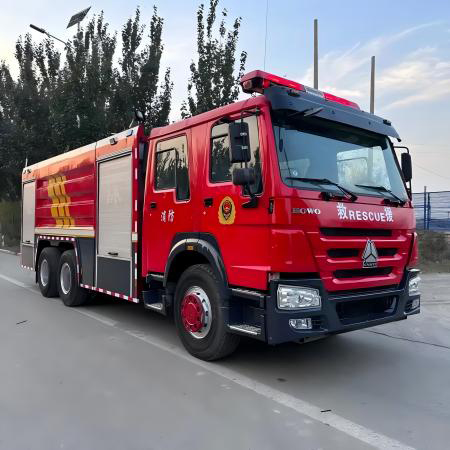
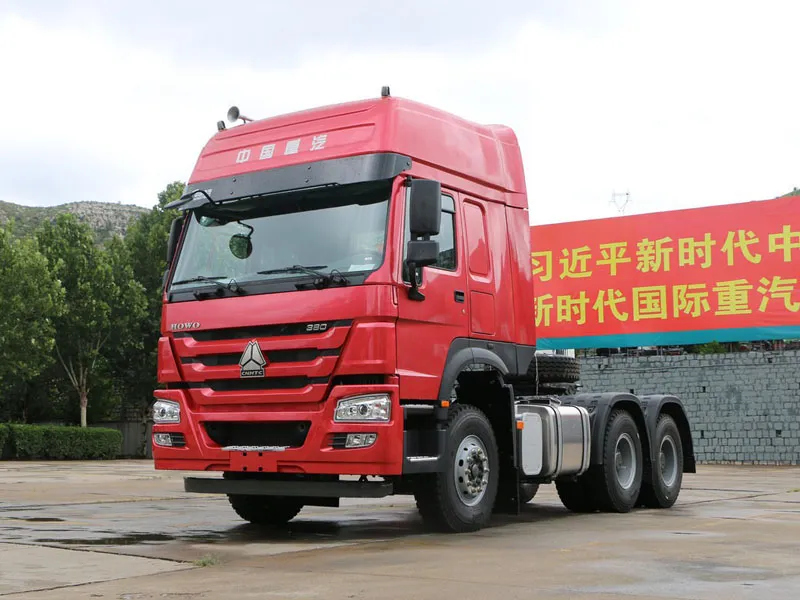
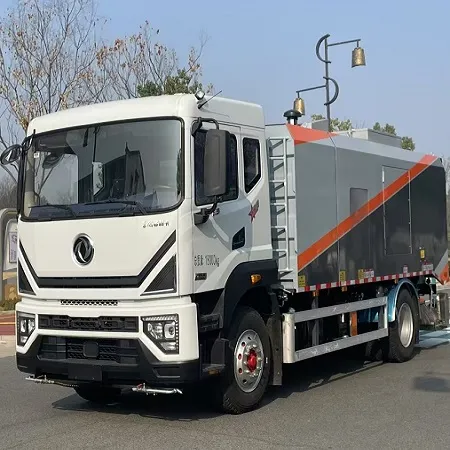
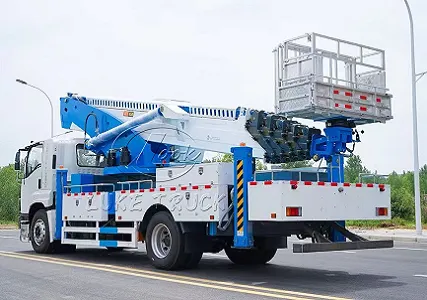
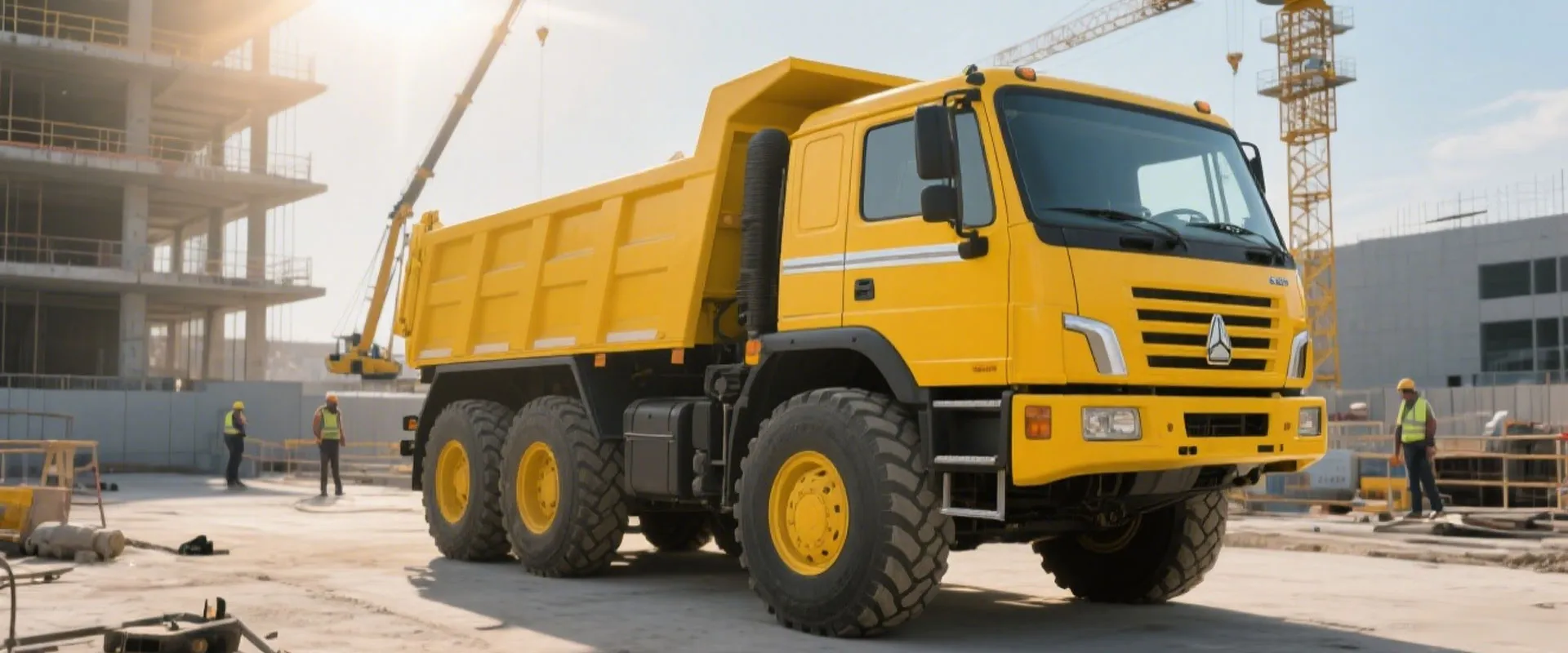
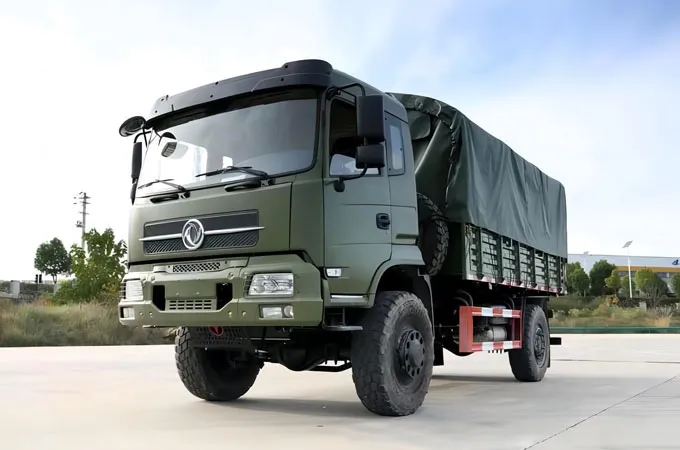
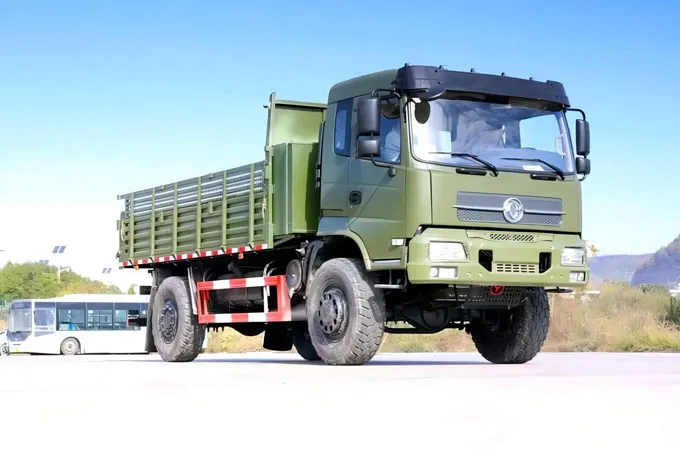
Luke Truck's construction trucks redefine rugged efficiency. Built for the harshest job sites, each model blends brute strength with smart engineering—powerful engines, reinforced frames, and ergonomic cabs that keep crews productive. Durable, reliable, and designed to maximize uptime, they're more than trucks—they're your project's toughest partner.

Get a Quote

Construction Truck for Sale

How to Maintain a Construction Truck

How to Maintain a Construction Truck

1. Check fluids regularly: Inspect engine oil, coolant, and hydraulic fluids; top up or replace to prevent overheating and component wear.

2. Inspect tires weekly: Check pressure, tread depth, and for damage—proper inflation ensures traction and reduces blowout risks.

3. Clean filters monthly: Replace air, fuel, and oil filters to keep engines running smoothly and avoid debris-related breakdowns.

4. Lubricate moving parts: Apply grease to hinges, joints, and crane mechanisms to reduce friction and extend their operational life.

5. Test brakes biweekly: Check brake pads, fluid levels, and responsiveness—reliable brakes are critical for job site safety.

6. Examine electrical systems: Inspect batteries, wires, and lights; clean terminals to prevent starting issues and ensure visibility.

7. Schedule professional inspections: Annual full checks by mechanics catch hidden issues early, avoiding costly repairs later.

How Long Can a Construction Truck Operate Continuously?

1. Fuel capacity matters: With 50-150 gallon tanks, construction trucks run 8-16 hours continuously; heavy use (e.g., mixers) shortens runtime due to higher consumption.

2. Onboard power aids idling: Auxiliary generators let cabs/accessories run 10-20 hours without engine, saving fuel during breaks.

3. Cooling systems limit overuse: Well-maintained radiators/hydraulics allow 6-8 hours of nonstop heavy work; overheating risks cut runtime.

How Long Can a Construction Truck Operate Continuously?

FAQs of Construction Truck

What are the main types of construction trucks and their uses?

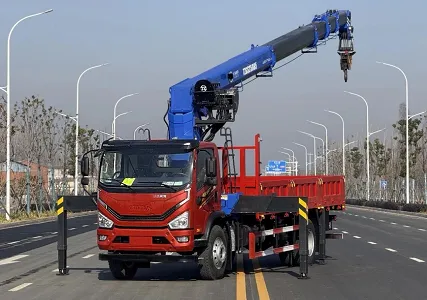
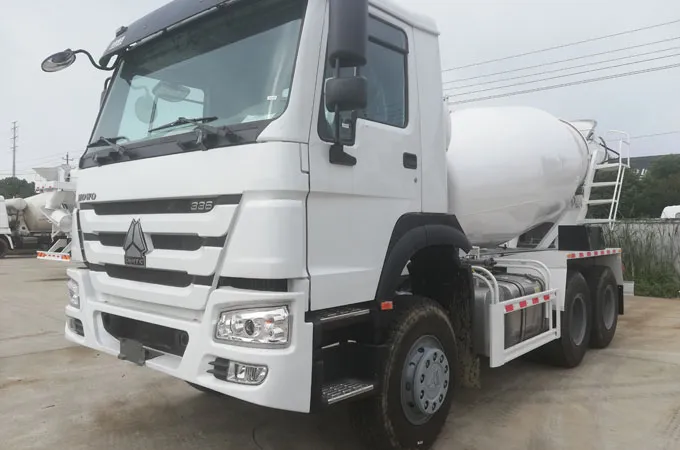
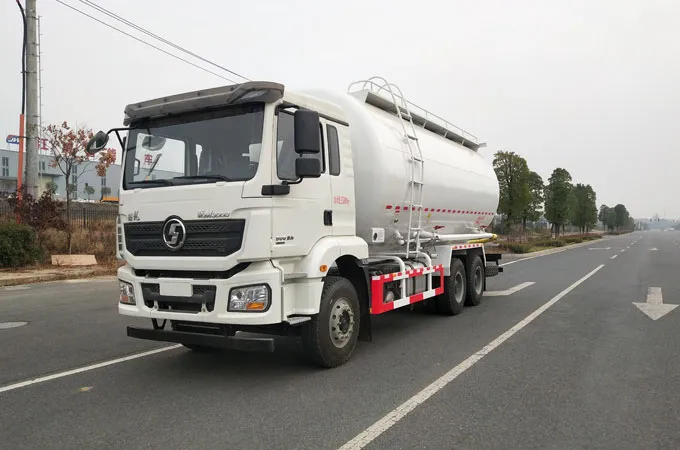
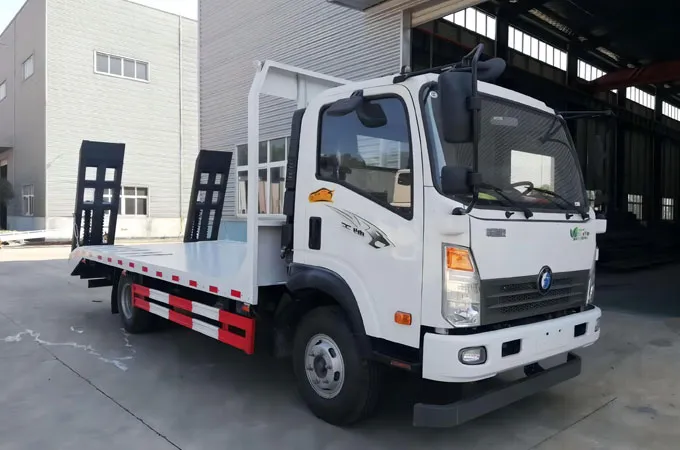
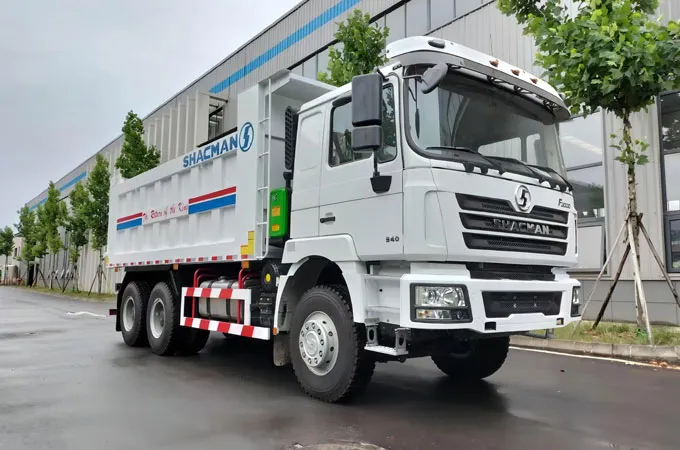
Construction trucks come in various types. Dump trucks transport loose materials like gravel and dirt, with their hydraulic - lifted beds for easy unloading. Concrete mixer trucks continuously mix cement, water, and aggregates during transit. Flatbed trucks are ideal for carrying oversized or irregularly - shaped cargo such as steel beams. Crane trucks are equipped with cranes to lift and move heavy materials on - site.

Do I need a special license to drive a construction truck?

In many regions, if the construction truck exceeds a certain weight limit (e.g., in the US, often 26,001 pounds gross vehicle weight rating for Class A Commercial Driver's License), a commercial driver's license (CDL) is required. Different classes of CDLs are designated based on the type and weight of the truck, as well as the nature of the cargo (hazmat, etc.).

How much can a construction truck typically carry?

Carrying capacity varies widely. Smaller dump trucks might have a payload capacity of around 10 - 15 tons, while larger articulated dump trucks can haul 30 - 40 tons or more. Concrete mixer trucks usually have drum capacities ranging from 4 to 10 cubic yards. Flatbed trucks' load - bearing capacity depends on their size and design, with some large ones capable of carrying over 20 - 30 tons of heavy equipment or materials.

How often should I maintain my construction truck?

Regular maintenance is crucial. Engine oil should typically be changed every 5,000 - 10,000 miles, depending on the truck's usage and the type of oil. Tires should be inspected weekly for pressure and tread depth, and rotated every 5,000 - 7,500 miles. Brake systems need to be checked every 10,000 - 15,000 miles. Additionally, a comprehensive inspection by a professional mechanic is recommended at least once a year.

What are common maintenance issues with construction trucks?

Common issues include problems with the fuel system, such as clogged fuel filters or issues with the fuel injection system. Hydraulic systems may experience leaks or a drop in pressure, especially in trucks like dump trucks and concrete mixers. Electrical problems, like faulty wiring or issues with the battery and alternator, are also frequent. Brake pads may wear out quickly due to the heavy loads construction trucks carry.

Can I perform basic maintenance on my construction truck myself?

Some basic maintenance tasks can be done by the owner. For example, checking and topping off fluids (engine oil, coolant, transmission fluid), inspecting tire pressure, and replacing air filters are relatively simple tasks. However, more complex tasks such as working on the hydraulic system, major engine repairs, or electrical system troubleshooting should be left to trained mechanics, as they require specialized tools and knowledge.

How long can a construction truck operate continuously?

It depends on several factors. Fuel capacity is a key factor; a truck with a 100 - gallon fuel tank might be able to run for 8 - 10 hours at moderate load. The onboard power supply can keep auxiliary systems running for a while when the engine is off. Cooling systems also play a role - if they are well - maintained, a truck can operate continuously for 6 - 8 hours during heavy - duty work. But overheating risks can shorten this runtime.

What safety features do construction trucks have?

Modern construction trucks are equipped with multiple safety features. They often have anti - lock braking systems (ABS) to prevent wheel lock - up during braking. Backup cameras and sensors help drivers avoid collisions when reversing. Some trucks also have stability control systems to prevent tipping, especially in vehicles like dump trucks. Additionally, cabs are designed to protect the driver in case of an accident, with reinforced structures and safety glass.

How do I operate a specific type of construction truck, like a concrete mixer?

To operate a concrete mixer truck, first, ensure the vehicle is in good working condition by checking fluids, tires, and the mixing drum. When loading the materials, follow the correct mixing ratios for cement, water, and aggregates. During transit, keep the drum rotating at a proper speed to maintain the concrete's consistency. When unloading, position the truck correctly and operate the hydraulic controls to tilt the drum and discharge the concrete evenly.

Contact Us
Contact Us
Reach out for customized special purpose vehicle solutions.
Contact Info
Call Us
+86-18672224040
Address
Southeast Corner of the Intersection of North Outer Ring Road and Handan Avenue, Suizhou City, Hubei Province, China.
Request a Free Quote
We use cookies to offer you a better browsing experience, analyze site traffic and personalize content. Part of the tracking is necessary to ensure SEO effectiveness,
By using this site, you agree to our use of cookies. Visit our cookie policy to learn more.
Reject Accept