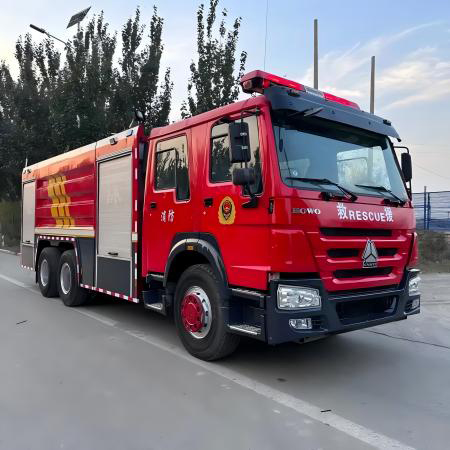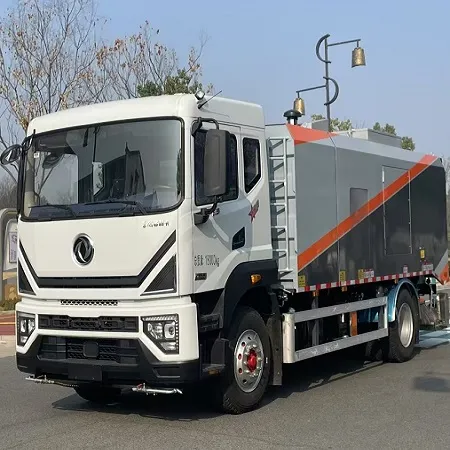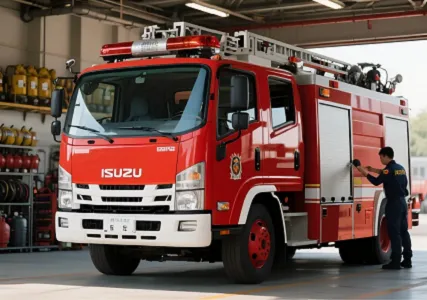



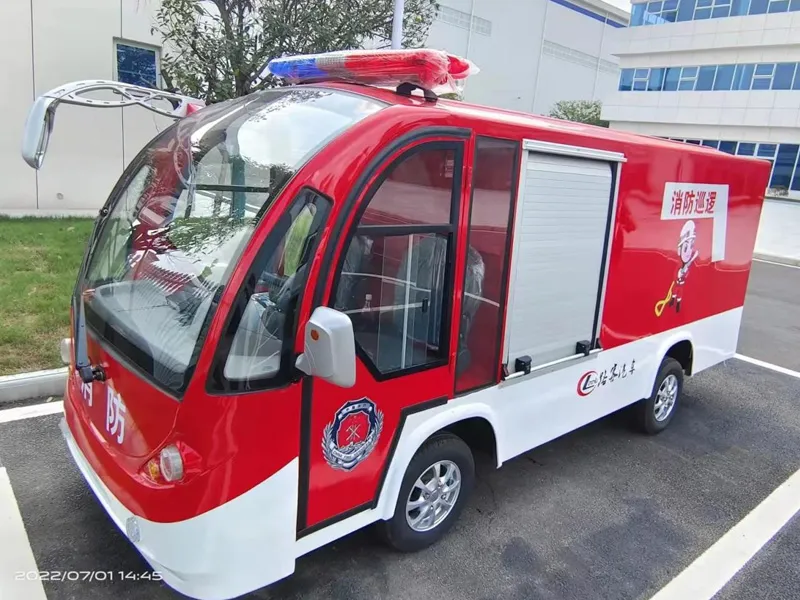

Four-wheeled electric fire trucks are fire trucks driven by electric motors and can operate immediately after charging. Here is a detailed introduction:
Power System: Primarily composed of a large-capacity lithium-ion battery pack and an electric motor, providing sufficient power to support firefighting operations with low noise during operation. After a full charge, the vehicle's range is generally around 150 to 200 kilometers, basically meeting the firefighting needs within urban areas.
Functional Configuration: Similar to traditional fire trucks, they are equipped with high-pressure water pumps, water tanks, fire hoses, and standard fire extinguishing equipment. Some models also feature a lifting platform for high-rise building rescues.
Performance Advantages: The electric motor's ability to instantly output maximum torque allows for faster acceleration and response, significantly reducing the time from receiving an alarm to arriving at the scene. Simultaneously, the noise level of electric fire trucks is typically controlled between 40-60 decibels, minimizing interference with the surrounding environment. Furthermore, it eliminates the complex engine maintenance required for traditional fuel-powered vehicles, significantly reducing operating costs in the long run.
Safety Design: The battery pack employs multiple protections, including anti-collision structures, temperature monitoring, and automatic power-off measures, ensuring battery safety even in extreme conditions.
Representative Models: Chengli electric fire trucks utilize high-quality steel plate bodies and aluminum alloy mast structures, and come standard with handheld fire extinguishers, safety hammers, and other equipment. They also feature remote control and self-diagnosis capabilities. The Vector all-electric fire truck from E-ONE (USA) is equipped with a 327kWh high-capacity battery, and its onboard fire pump has a maximum flow rate of 126L/s, meeting the demands of prolonged, high-intensity operations.