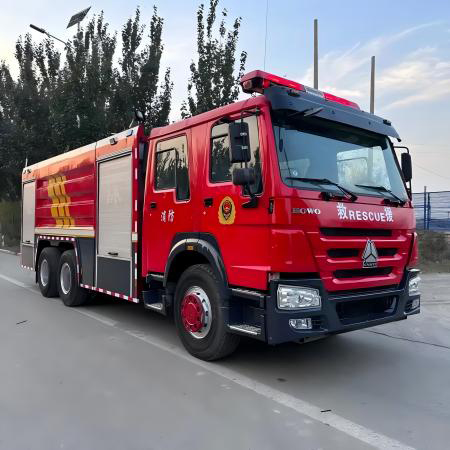
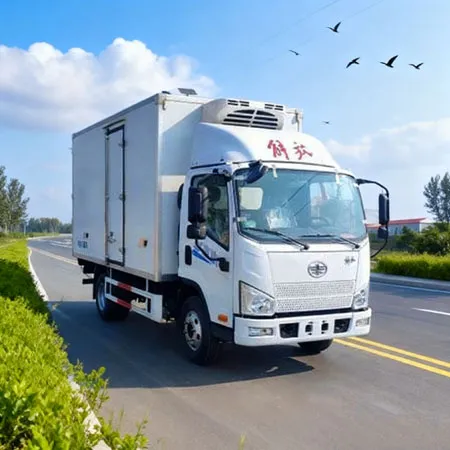
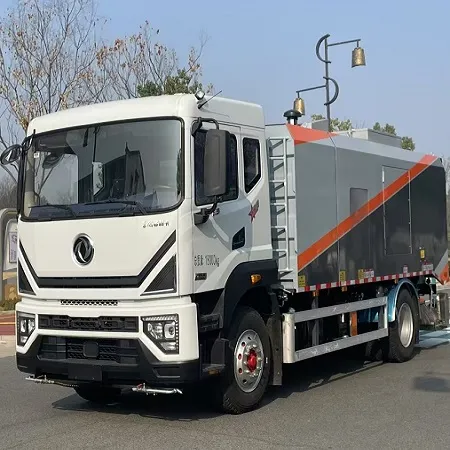
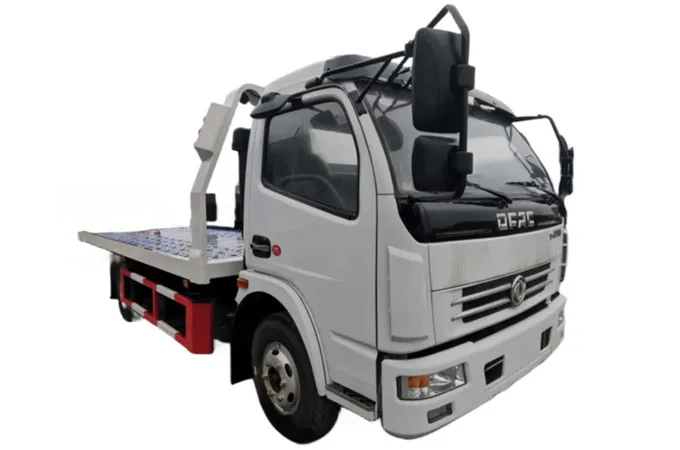
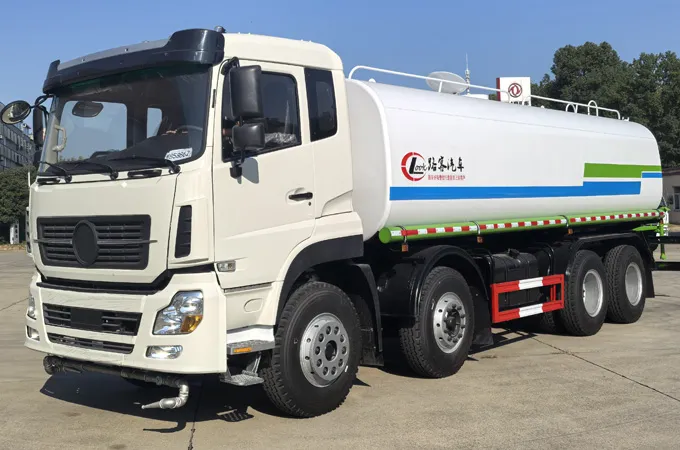
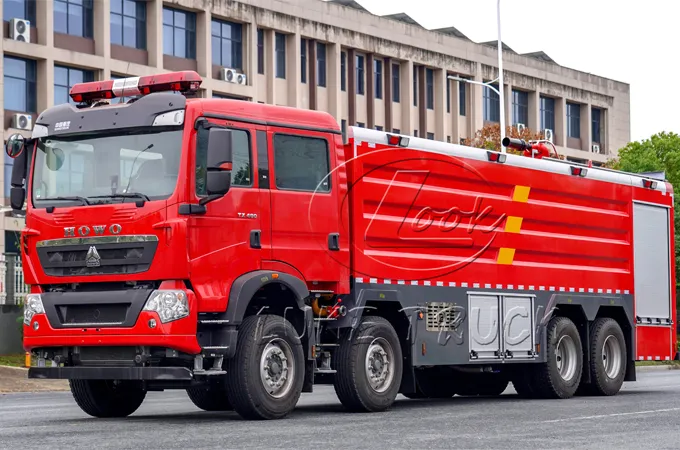
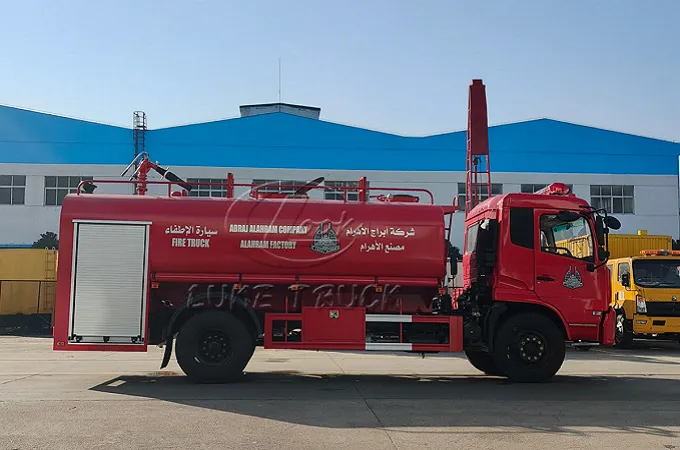
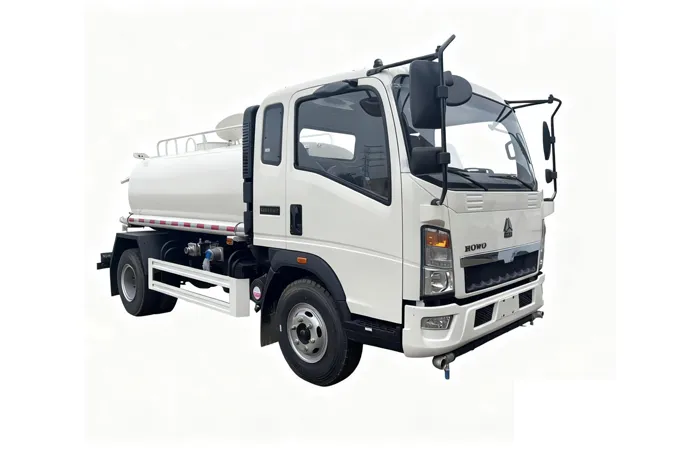
A fire truck is typically 6–12 meters long and 2–3 meters wide, depending on the vehicle type, chassis configuration, tank capacity, and firefighting equipment installed. Compact fire trucks may be less than 6 meters long, while heavy-duty models such as airport fire trucks or large water tank fire trucks can exceed 12 meters in length.
For export buyers, fire truck dimensions are not just technical specifications—they directly affect transportation, road accessibility, turning ability, and operational suitability in the destination country. The right size depends on where the vehicle will operate, including road conditions, infrastructure limitations, fire risks, and local regulations.
A larger fire truck may provide greater water capacity and equipment storage, but an oversized vehicle can create challenges in narrow streets, rural roads, ports, and urban areas. Therefore, buyers should evaluate dimensions together with payload, chassis type, and intended application before placing an order.
Why Fire Truck Dimensions Matter for Export Buyers
When purchasing a fire truck internationally, many buyers focus on:
Water tank capacity
Pump performance
Firefighting equipment
Chassis brand
However, vehicle dimensions are equally important.
The length, width, and height of a fire truck influence:
Whether the vehicle can enter local roads
Shipping and container transportation requirements
Turning radius in emergency situations
Garage and fire station compatibility
Road regulations in the destination market
For export projects, selecting the correct vehicle size can prevent operational limitations after delivery.
Typical Fire Truck Dimensions by Vehicle Type
Different firefighting applications require different vehicle sizes.
| Fire Truck Type | Typical Length | Typical Width |
|---|
| Small Fire Truck | 5–7 m | 1.8–2.2 m |
| Municipal Fire Truck | 7–10 m | 2.3–2.5 m |
| Water Tank Fire Truck | 8–12 m | 2.5–3.0 m |
| Foam Fire Truck | 8–12 m | 2.5–3.0 m |
| Rescue Fire Truck | 7–11 m | 2.3–2.8 m |
| Airport Fire Truck | 10–13+ m | 3.0 m+ |
Actual dimensions vary depending on:
How Long Is a Fire Truck?
Fire truck length is mainly determined by the chassis wheelbase, tank size, and equipment layout.
Small Fire Truck Length
Small fire trucks are usually around:
5–7 meters long
They are designed for:
Narrow roads
Rural communities
Small factories
Local emergency response
Their shorter length provides:
Medium Fire Truck Length
Medium-size fire trucks are typically:
7–10 meters long
They are commonly used by:
These vehicles provide a balance between:
Water capacity
Equipment storage
Road mobility
Heavy-Duty Fire Truck Length
Heavy-duty models can reach:
10–13 meters or more
Common examples include:
These vehicles require longer chassis platforms because they carry:
How Wide Is a Fire Truck?
Fire truck width affects accessibility, especially in urban and rural environments.
Most standard fire trucks are approximately:
2.3–2.5 meters wide
Heavy-duty models may reach:
3 meters or more
depending on:
Tire size
Equipment compartments
Body design
Chassis configuration
Why Fire Truck Width Is Important
A wider vehicle may improve:
Stability
Payload capacity
Equipment storage
However, excessive width can create problems in:
Narrow streets
Mountain roads
Old city areas
Factory corridors
Underground facilities
Export buyers should compare vehicle width with local road conditions before selecting a configuration.
Key Factors That Affect Fire Truck Size
1. Chassis Configuration
The chassis is one of the biggest factors affecting vehicle dimensions.
4×2 Fire Truck Chassis
Typically used for:
Small fire trucks
Urban firefighting
Community response
Advantages:
Compact size
Better maneuverability
Lower operating cost
6×4 Fire Truck Chassis
Commonly used for:
Advantages:
8×4 Fire Truck Chassis
Designed for:
Advantages:
However, the larger chassis also increases:
Vehicle length
Turning radius
Operating requirements
How Tank Capacity Affects Fire Truck Size
The water tank is one of the main factors influencing vehicle dimensions.
For example:
Small Water Tank Configuration
1,000–2,000 liters:
Shorter body
Lower weight
Better maneuverability
Medium Water Tank Configuration
3,000–6,000 liters:
Large Water Tank Configuration
8,000 liters and above:
A larger tank provides longer firefighting capability but may reduce accessibility.
Fire Truck Height: Another Important Dimension
Although buyers often focus on length and width, vehicle height is also critical.
Fire truck height usually ranges from:
2.8–4 meters
depending on:
Cab design
Equipment storage
Roof-mounted monitors
Ladder systems
Export buyers should check:
Garage height
Bridge clearance
Loading restrictions
Shipping requirements
Fire Truck Dimensions for Export and Shipping
International buyers should consider transportation requirements before ordering.
Important factors include:
Shipping Method
Depending on vehicle size, transportation may require:
Local Regulations
Buyers should confirm:
Maximum road width limits
Vehicle length restrictions
Weight regulations
Registration requirements
Fire Station Compatibility
Before delivery, verify:
Garage dimensions
Door width
Parking space
Maintenance area
A fire truck should fit not only on roads but also in its operating base.
Conclusion
The size of a fire truck depends on its application, chassis configuration, water capacity, and firefighting equipment. Most fire trucks are between 6 and 12 meters long and 2 to 3 meters wide, but specialized vehicles may be larger.
For export buyers, choosing the right dimensions is essential to ensure the vehicle can be transported, registered, stored, and operated effectively. The best fire truck is not always the largest one—it is the model that provides the required firefighting capability while matching local infrastructure and operating conditions.
Frequently Asked Questions
1. How long is a standard fire truck?
A standard fire truck is usually around 7–10 meters long, depending on chassis type and equipment configuration.
2. How wide is a fire truck?
Most fire trucks are approximately 2.3–2.5 meters wide, while heavy-duty models may exceed 3 meters.
3. What is the largest type of fire truck?
Airport fire trucks and large industrial foam fire trucks are among the largest models due to their high water and foam capacity requirements.
4. Does a larger fire truck always perform better?
No. A larger vehicle carries more equipment but may have limited access in narrow roads or restricted areas.
5. How does water tank size affect fire truck dimensions?
Larger water tanks usually require longer chassis and increase overall vehicle length and weight.