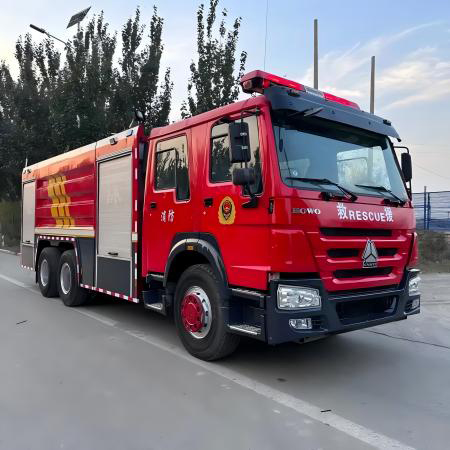
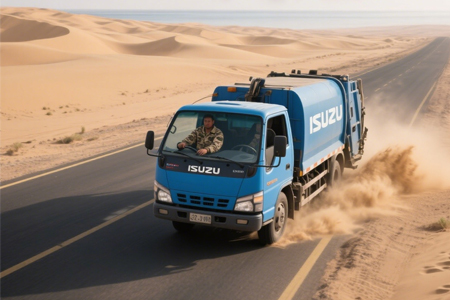
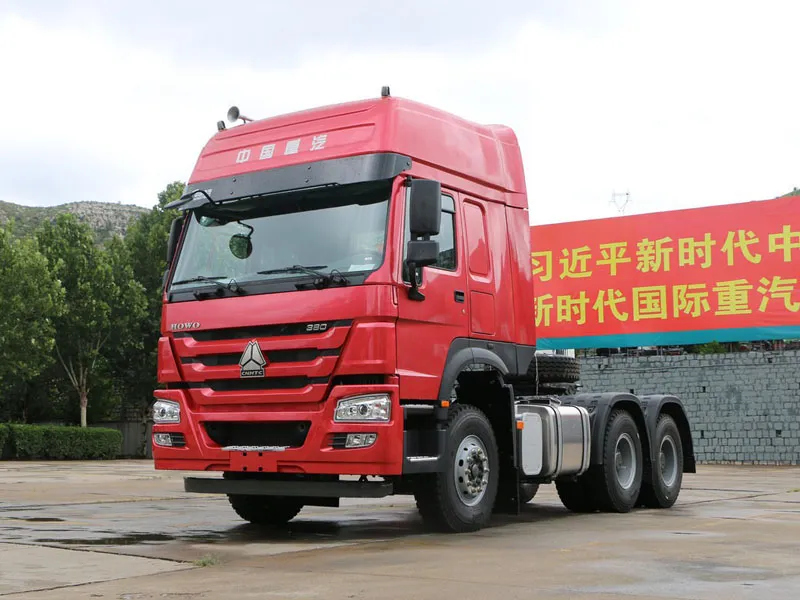
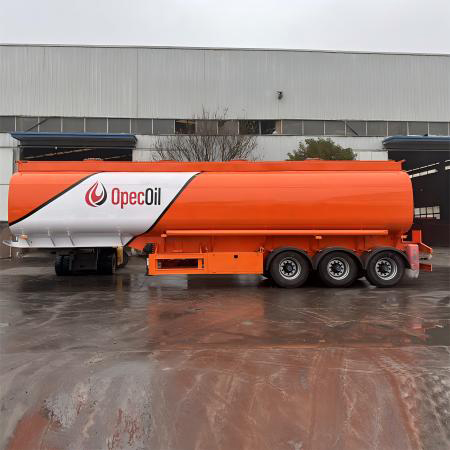
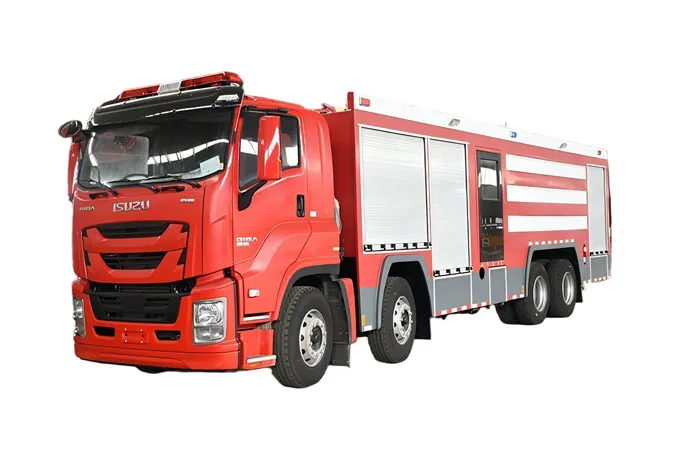
When choosing a fire truck manufacturer, buyers should evaluate production capability, customization experience, quality control systems, certifications, after-sales support, and previous export projects. A reliable supplier should provide not only vehicles but complete firefighting solutions that meet local operational requirements.
Introduction
Selecting a reliable fire truck manufacturer is one of the most important decisions for organizations purchasing emergency vehicles. Unlike standard commercial trucks, fire trucks require specialized engineering, firefighting equipment integration, strict quality control, and customized configurations based on different operational environments.
For international buyers, choosing a supplier is not only about comparing prices. A professional manufacturer should understand firefighting requirements, provide suitable chassis options, customize equipment layouts, and offer long-term technical support after delivery.
Whether you are a fire department, government purchasing organization, industrial facility, or emergency equipment distributor, evaluating suppliers carefully can help reduce operational risks and ensure that the vehicles perform reliably during critical situations.
This guide explains the key factors buyers should consider when selecting a custom fire truck supplier and how to identify a manufacturer capable of delivering high-quality firefighting solutions.
Why Choosing the Right Fire Truck Manufacturer Matters
A fire truck is a mission-critical vehicle. When an emergency occurs, reliability, response speed, and equipment performance directly affect rescue operations.
Working with an experienced manufacturer provides several advantages:
1. Better Vehicle Configuration
Professional manufacturers understand that different applications require different solutions.
For example:
Municipal firefighting may require water fire trucks.
Airports may need foam fire trucks.
Industrial facilities may require specialized rescue vehicles.
Remote areas may require large-capacity firefighting vehicles.
A reliable supplier can recommend the right configuration instead of simply selling a standard model.
2. Higher Product Reliability
Fire trucks operate in demanding conditions.
A qualified manufacturer should have strict control over:
Poor-quality components can create serious problems during emergency operations.
3. Long-Term Support
Fire trucks usually operate for many years.
Therefore, buyers should consider:
Spare parts supply
Technical assistance
Maintenance guidance
Warranty policies
A low-cost supplier without reliable support may create higher expenses in the future.
Key Factors to Evaluate a Fire Truck Manufacturer
When comparing different suppliers, buyers should evaluate several important areas.
1. Manufacturing Experience and Production Capability
The first step is understanding whether the supplier has real manufacturing capability.
A professional trucks manufacturer should have:
Dedicated production facilities
Experienced engineering teams
Skilled technicians
Vehicle assembly capabilities
Quality inspection processes
Buyers should ask:
How many years has the company produced firefighting vehicles?
How many units are delivered annually?
What markets have they exported to?
Do they manufacture vehicles themselves or only trade products?
A manufacturer with proven experience is usually better prepared to handle customization requirements.
2. Customization Capability
Fire trucks are rarely one-size-fits-all vehicles.
Different countries and industries may require different specifications.
Customization may include:
Tank Configuration
Examples:
Water tank capacity
Foam tank capacity
Material selection
Equipment Layout
Including:
Hose compartments
Rescue tool storage
Ladder arrangement
Lighting systems
Chassis Selection
Options may include:
A capable supplier should help customers select the right chassis based on:
Payload requirements
Road conditions
Operating environment
3. Firefighting System Quality
The firefighting system is the core of the vehicle.
Buyers should evaluate:
Fire Pump Performance
Important specifications include:
Flow rate
Pressure
Operating reliability
Water and Foam Systems
Depending on application, vehicles may include:
Control Systems
Modern fire trucks may use:
Electronic controls
Remote operation systems
Monitoring interfaces
The manufacturer should provide clear technical documentation for all major components.
4. Quality Control and Testing Process
A reliable manufacturer should have a complete quality management process.
Important inspection stages include:
Chassis Inspection
Checking:
Engine performance
Transmission system
Brake system
Electrical components
Body Structure Inspection
Including:
Tank welding quality
Compartment structure
Anti-corrosion treatment
Functional Testing
Before delivery, manufacturers should test:
Testing ensures the vehicle is ready for real-world operation.
5. Export Experience and International Compliance
For overseas buyers, export experience is a major advantage.
An experienced supplier should understand:
International projects often involve additional requirements such as:
A manufacturer familiar with export markets can reduce purchasing difficulties.
6. After-Sales Service and Spare Parts Support
After-sales capability is often overlooked during purchasing.
However, emergency vehicles require long-term availability of:
Replacement parts
Technical support
Maintenance information
Before placing an order, buyers should ask:
Are spare parts available?
How quickly can technical support respond?
Are operation manuals provided?
Is remote assistance available?
A reliable supplier should support customers throughout the vehicle lifecycle.
Comparing Fire Truck Manufacturers: What Questions Should Buyers Ask?
Before choosing a supplier, prepare a detailed evaluation checklist.
Manufacturing Questions
Ask:
Do you manufacture fire trucks directly?
Can you provide factory photos or videos?
What fire truck models do you produce?
Technical Questions
Ask:
What chassis options are available?
What water tank capacities can be customized?
Which firefighting systems can be installed?
Project Experience Questions
Ask:
Have you exported fire trucks before?
Which countries have received your vehicles?
Can you provide previous project examples?
Support Questions
Ask:
What warranty is provided?
Are spare parts available?
What technical documents are included?
Conclusion
Choosing the right fire truck manufacturer requires more than comparing product prices. A reliable supplier should provide strong manufacturing capability, professional customization, strict quality control, export experience, and long-term technical support.
For international buyers, working with an experienced custom fire truck supplier helps ensure that the vehicle meets local firefighting requirements and delivers dependable performance throughout its service life.
By carefully evaluating manufacturers before purchasing, organizations can reduce risks, improve emergency response capability, and make a more valuable long-term investment.
Frequently Asked Questions
1. How do I choose a reliable fire truck manufacturer?
A reliable fire truck manufacturer should have proven production experience, customization capability, quality control systems, export experience, and strong after-sales support.
2. Can fire trucks be customized according to local requirements?
Yes. Professional manufacturers can customize chassis, water tank capacity, foam systems, rescue equipment, compartments, and other configurations based on customer needs.
3. What should I check before buying a fire truck from overseas?
Buyers should check manufacturer experience, product certifications, export history, technical specifications, warranty policies, spare parts availability, and after-sales support.
4. What chassis brands are commonly used for fire trucks?
Common chassis options include HOWO, Dongfeng, Shacman, and other commercial truck platforms. The best choice depends on payload requirements and operating conditions.
5. How long does it take to manufacture a custom fire truck?
Production time depends on vehicle configuration, customization requirements, equipment selection, and supplier workload.