The biggest difference between an airport fire truck and a municipal fire truck lies in their mission. Airport fire trucks are designed to respond rapidly to aircraft emergencies with high-capacity foam suppression systems, while municipal fire trucks are built for urban firefighting, rescue operations, and a wide variety of structural fire incidents. Choosing the right configuration depends on the types of emergencies your organization handles, applicable regulations, and operational environment.
Introduction
When searching for fire trucks for sale, buyers often compare airport fire trucks and municipal fire trucks because both serve essential firefighting roles. Although they may appear similar at first glance, they are designed for very different emergency response scenarios.
Airport fire trucks prioritize rapid acceleration, large foam and water capacities, and high-performance extinguishing systems capable of controlling aviation fuel fires. Municipal fire trucks, on the other hand, are engineered for flexibility, allowing firefighters to respond to residential fires, commercial buildings, vehicle accidents, industrial incidents, and rescue operations.
Understanding the differences between these two vehicle types helps airports, municipalities, industrial facilities, emergency service providers, and government procurement agencies invest in the most suitable firefighting solution.
Why Are Airport and Municipal Fire Trucks Different?
Every firefighting vehicle is designed around its expected operational environment.
An airport rescue vehicle may need to reach an aircraft accident within minutes while carrying thousands of liters of water and foam concentrate.
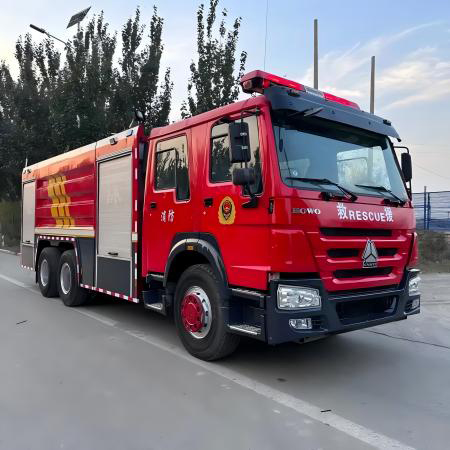
A municipal fire truck must operate efficiently in city streets, residential neighborhoods, industrial parks, and commercial districts, often responding to multiple types of emergencies during a single shift.
Because of these different operational requirements, manufacturers configure the vehicles differently in terms of chassis, extinguishing systems, equipment layout, and driving performance.
Airport Fire Truck vs Municipal Fire Truck: Side-by-Side Comparison
| Feature | Airport Fire Truck | Municipal Fire Truck |
|---|
| Primary Purpose | Aircraft firefighting | Urban firefighting |
| Water Capacity | Very High | Medium |
| Foam Capacity | Very High | Optional or Medium |
| Vehicle Speed | High acceleration | Balanced for city driving |
| Chassis | Heavy-duty off-road | Urban commercial chassis |
| Main Users | Airports | Municipal fire departments |
| Rescue Equipment | Limited | Extensive |
| Urban Maneuverability | Moderate | Excellent |
| Typical Fire Risk | Aviation fuel fires | Structural and vehicle fires |
Fire Suppression Systems Compared
Airport Fire Trucks
Aircraft fires often involve jet fuel, which spreads rapidly and burns at high temperatures.
To control these fires, airport fire trucks are equipped with:
The goal is to extinguish fires quickly while protecting evacuation routes.
Municipal Fire Trucks
Municipal fire trucks focus on flexibility.
Their suppression systems usually include:
Water pumps
Hose reels
Water cannons
Optional foam systems
These vehicles can respond to a wider variety of fire scenarios throughout urban areas.
Vehicle Performance and Mobility
Vehicle mobility is another major difference.
Airport Fire Trucks
Airport fire trucks are designed to:
Many models use 6×6 or 8×8 chassis for maximum traction.
Municipal Fire Trucks
Municipal vehicles prioritize:
A compact chassis allows firefighters to reach incidents more efficiently in cities.
Which Fire Truck Is Right for Your Organization?
Choose an Airport Fire Truck If:
Your organization operates:
You require:
High-capacity foam systems
Rapid runway response
Aircraft rescue capability
Aviation fuel fire suppression
Airport fire trucks are specifically designed to meet these operational demands.
Choose a Municipal Fire Truck If:
Your organization primarily responds to:
Residential fires
Commercial buildings
Factories
Schools
Hospitals
Traffic accidents
Municipal fire trucks provide the versatility required for daily emergency response.
Can Airport Fire Trucks Be Used Outside Airports?
Yes, but only in certain situations.
Airport fire trucks can support emergency operations involving:
Large industrial fires
Fuel storage facilities
Chemical plants
Disaster response
However, because of their size and specialized design, they are generally less suitable for routine urban firefighting.
Municipal fire trucks remain the preferred choice for everyday city operations because they offer better maneuverability and carry a wider range of rescue equipment.
Other Factors to Consider Before Purchasing
When comparing different fire trucks for sale, buyers should also evaluate:
Fire Risk Assessment
Identify the primary emergency scenarios your organization is expected to manage.
Water and Foam Capacity
Larger capacities improve independent firefighting capability but increase vehicle weight.
Chassis Configuration
Consider:
Payload
Terrain
Road conditions
Maintenance requirements
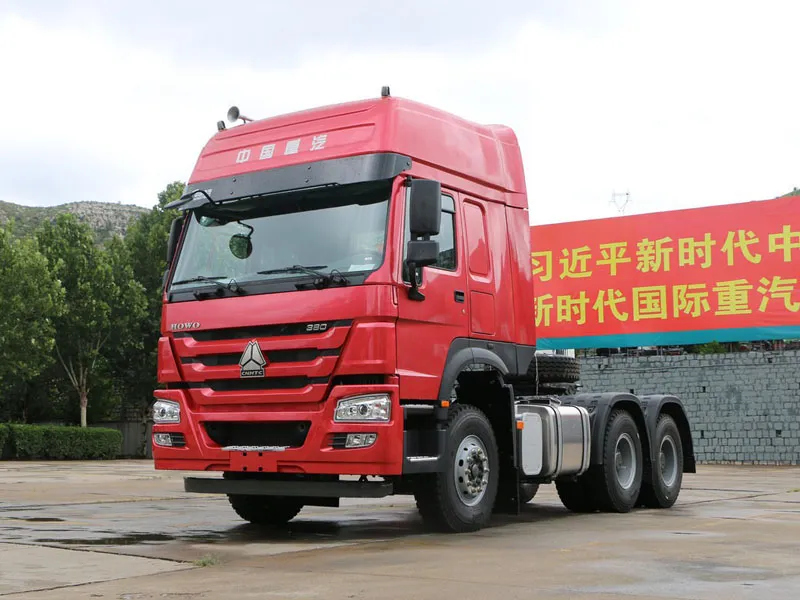
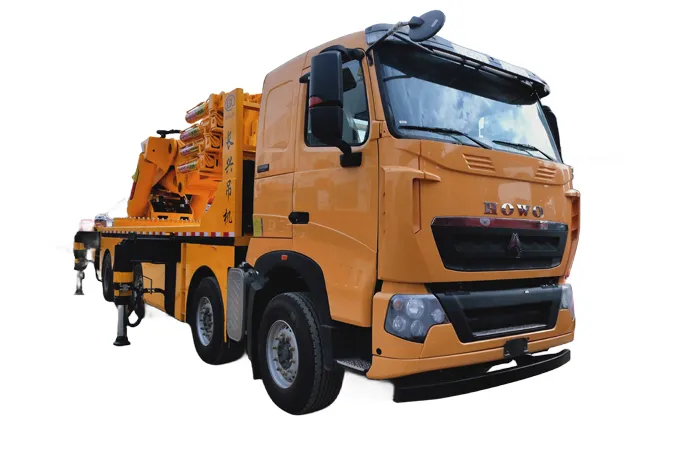
A reliable HOWO fire truck chassis, for example, is widely used in municipal firefighting applications due to its durability, strong load capacity, and ease of maintenance in many international markets.
Local Regulations
Ensure the vehicle complies with:
Future Fleet Expansion
Consider whether additional firefighting capabilities or specialized vehicles may be required as your organization grows.
Conclusion
Although both airport fire trucks and municipal fire trucks are designed to protect lives and property, they are built for different missions. Airport firefighter truck specializes in rapid aircraft rescue and high-capacity foam firefighting, while municipal fire truck provides versatile fire suppression and rescue capabilities for everyday urban emergencies.
Before purchasing a firefighting vehicle, buyers should assess operational requirements, fire risks, vehicle configuration, maintenance support, and future expansion plans. Choosing the right configuration ensures better emergency response performance, improved operational efficiency, and a greater return on investment.
Frequently Asked Questions
1. What is the main difference between an airport fire truck and a municipal fire truck?
Airport fire trucks are designed primarily for aircraft rescue and aviation fuel fires, while municipal fire trucks are intended for structural firefighting, vehicle fires, and general emergency response.
2. Why do airport fire trucks carry so much foam?
Aircraft fires often involve large quantities of aviation fuel. Foam quickly blankets the fuel surface, suppresses flames, and helps prevent re-ignition.
3. Can a municipal fire truck respond to airport emergencies?
Yes, but it may not provide the specialized foam capacity or rapid-response performance required for aircraft rescue operations.
4. Which vehicle carries more water?
Airport fire trucks generally carry larger water and foam tanks than municipal fire trucks because they are designed for large-scale aviation emergencies.
5. What chassis are commonly used for municipal fire trucks?
Municipal fire trucks can be built on various commercial truck chassis, including HOWO, Dongfeng, and Shacman platforms, depending on payload requirements and local operating conditions.
6. Are airport fire trucks suitable for industrial firefighting?
Yes. Airport fire trucks can also be effective in refineries, fuel storage terminals, petrochemical plants, and other facilities where flammable liquid fires present a significant risk.