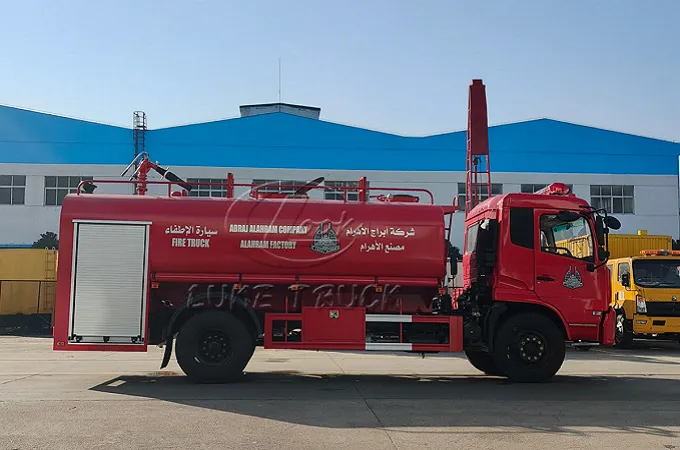
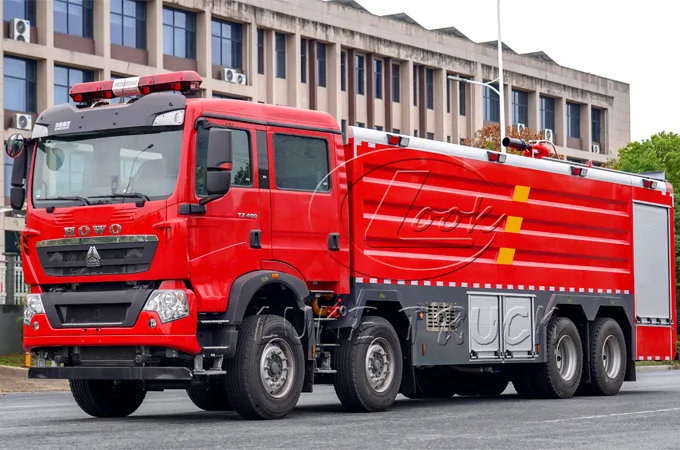
A wrecker truck's towing capacity determines the maximum weight it can safely recover and transport, but it is influenced by much more than engine power. Chassis strength, axle ratings, hydraulic systems, boom design, winch capacity, weight distribution, and road conditions all affect real-world towing performance. Choosing the correct towing capacity improves safety, efficiency, and long-term operating costs.
Introduction
When buyers compare different wrecker truck models, one specification usually receives the most attention—towing capacity. It is often the first number listed in product brochures and one of the main criteria used when evaluating recovery vehicles.
However, many buyers misunderstand what this number actually represents.
A truck advertised with a 20-ton towing capacity does not automatically outperform every 15-ton model in every recovery situation. Real-world performance depends on numerous engineering factors, including hydraulic lifting systems, chassis strength, boom design, axle configuration, and the environment in which the recovery takes place.
Choosing a wrecker truck based solely on the highest towing capacity may result in unnecessary investment, higher operating costs, and reduced efficiency. On the other hand, selecting a truck with insufficient capacity can limit the range of recovery services your business is able to provide.
This guide explains how towing capacity is determined, what affects actual recovery performance, and how to select the right capacity for your business.
Why Towing Capacity Is More Than Just a Number
Many first-time buyers assume towing capacity simply refers to the maximum weight a truck can pull.
In reality, professional recovery operations involve several different forces working together.
A modern wrecker truck must not only pull a disabled vehicle but also lift it safely, stabilize itself during recovery, and maintain proper weight distribution throughout the operation.
For example, recovering a loaded delivery truck from a highway shoulder requires much more than raw pulling force. The recovery vehicle must support part of the disabled truck's weight through its underlift while maintaining stability on uneven pavement.
This is why manufacturers evaluate towing performance as a complete recovery system rather than a single specification.
What Determines a Wrecker Truck's Towing Capacity?
Several engineering components work together to determine the actual towing capability of a recovery vehicle.
| Component | Why It Matters |
|---|
| Chassis | Provides the structural strength needed to support heavy recovery operations. |
| Axles | Determine how much weight the truck can safely carry and distribute. |
| Hydraulic System | Supplies lifting force for the boom, underlift, and stabilizers. |
| Recovery Boom | Transfers lifting loads during vehicle recovery. |
| Winch System | Generates pulling force for recovering disabled vehicles. |
| Outriggers | Improve stability during heavy lifting operations. |
| Suspension | Maintains vehicle balance under heavy loads. |
| Tires | Affect traction, braking, and overall safety during recovery. |
Each component contributes to overall recovery performance. Upgrading one system alone does not necessarily increase the truck's effective towing capacity if the rest of the vehicle cannot safely handle additional loads.
Understanding Three Different Capacity Ratings
One of the most common misunderstandings is assuming that all capacity ratings describe the same capability.
In fact, manufacturers usually specify several different ratings.
1. Rated Towing Capacity
This refers to the maximum weight the wrecker truck can safely tow under specified operating conditions.
It is the figure most buyers see first, but it represents only one aspect of recovery performance.
2. Underlift Capacity
The underlift supports part of the disabled vehicle during towing.
Its capacity determines how much weight can be lifted from the front or rear axle of the recovered vehicle.
For example, towing a heavy truck may require lifting several tons before the vehicle can even begin moving.
3. Winch Pulling Capacity
The winch is responsible for pulling disabled vehicles out of difficult situations such as:
Roadside ditches
Mud
Sand
Snow
Construction sites
A powerful winch does not automatically mean the truck itself can tow heavier vehicles. Instead, it determines how much pulling force is available during the recovery process.
Understanding the difference between these three ratings helps buyers compare specifications more accurately.
Choosing the Right Towing Capacity by Vehicle Type
Rather than selecting a recovery truck based on the largest available capacity, buyers should match towing capability to the types of vehicles they recover most often. This approach not only improves operational efficiency but also reduces unnecessary investment and ongoing operating costs.
The following table provides a general guideline for matching recovery vehicles with appropriate towing capacities.
| Vehicle Type | Typical Vehicle Weight | Recommended Wrecker Truck |
|---|
| Compact Cars | 1–2 tons | Light Duty |
| SUVs & Pickups | 2–4 tons | Light Duty |
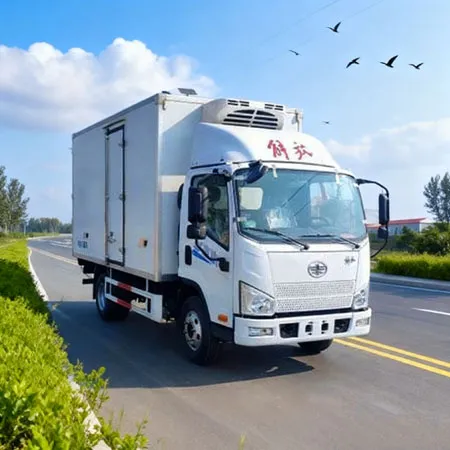
| Delivery Vans | 3–6 tons | Medium Duty |
| Utility Trucks | 5–8 tons | Medium Duty |
| Box Trucks | 7–12 tons | Medium Duty or Heavy Duty |
| City Buses | 12–18 tons | Heavy Duty |
| Dump Trucks | 15–30 tons | Heavy Duty |
| Concrete Mixer Trucks | 18–35 tons | Heavy Duty |
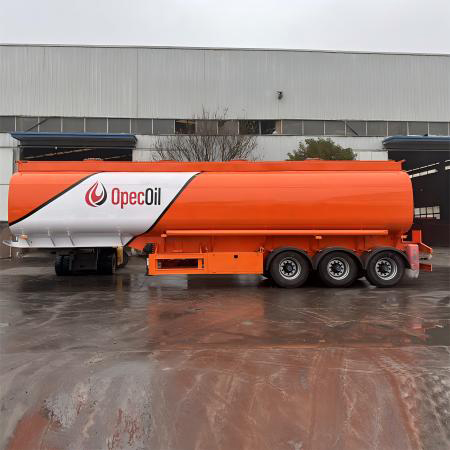
| Fuel Tank Trucks | 18–40 tons | Heavy Duty |
| Semi-Trucks & Tractor Units | 20–50+ tons | Heavy Duty |
Why Higher Towing Capacity Isn't Always Better
One of the most common misconceptions is that purchasing the highest-capacity wrecker truck guarantees the best long-term value.
In reality, oversized recovery vehicles often introduce additional costs without improving daily productivity.
Higher Initial Investment
Heavy-duty recovery trucks require larger chassis, reinforced frames, stronger hydraulic systems, and more powerful recovery equipment. These upgrades increase the purchase price considerably.
Increased Fuel Consumption
Larger recovery vehicles typically consume more fuel, especially during urban operations involving frequent stops, traffic congestion, and short-distance recoveries.
Higher Maintenance Costs
As towing capacity increases, so does the complexity of the vehicle.
Operators should expect higher costs for:
Reduced Maneuverability
A truck designed for recovering tractor-trailers may not be the most practical choice for navigating narrow city streets, parking structures, or residential neighborhoods.
For businesses focused on roadside assistance, excessive towing capacity can actually reduce operational efficiency.
Conclusion
Towing capacity is one of the most important factors when selecting a wrecker truck, but it should never be evaluated in isolation. Real-world recovery performance depends on a combination of chassis strength, hydraulic systems, axle ratings, recovery equipment, and operating conditions.
Rather than choosing the truck with the highest advertised capacity, buyers should focus on the types of vehicles they recover most frequently, the environments in which they operate, and their long-term business goals.
A properly matched recovery vehicle improves operational efficiency, enhances safety, reduces maintenance costs, and provides a stronger return on investment over the life of the truck.
By understanding how towing capacity is determined—and how it affects everyday recovery operations—you can make a more informed purchasing decision that supports both current workloads and future business growth.
Frequently Asked Questions
1. What determines a wrecker truck's towing capacity?
A wrecker truck's towing capacity depends on several factors, including chassis strength, axle ratings, hydraulic systems, boom design, underlift capacity, winch performance, suspension, and overall vehicle stability.
2. Is towing capacity the same as winch capacity?
No. Towing capacity refers to the maximum weight the truck can safely recover and transport, while winch capacity measures the pulling force generated by the recovery winch. Both are important but serve different purposes.
3. Can towing capacity be increased after purchase?
Some recovery components, such as winches or hydraulic systems, can be upgraded. However, the overall towing capacity is ultimately limited by the chassis, axle ratings, and structural design of the truck. Significant increases usually require a different vehicle platform.
4. Does engine horsepower affect towing capacity?
Engine horsepower contributes to vehicle performance, particularly during transportation, but it is only one factor. Recovery capability depends more heavily on the integrated design of the hydraulic system, recovery boom, underlift, and chassis.
5. What happens if I exceed the rated towing capacity?
Exceeding the manufacturer's rated capacity can reduce braking performance, overload the chassis and axles, increase the risk of equipment failure, and compromise operator safety. It may also violate local transportation regulations.