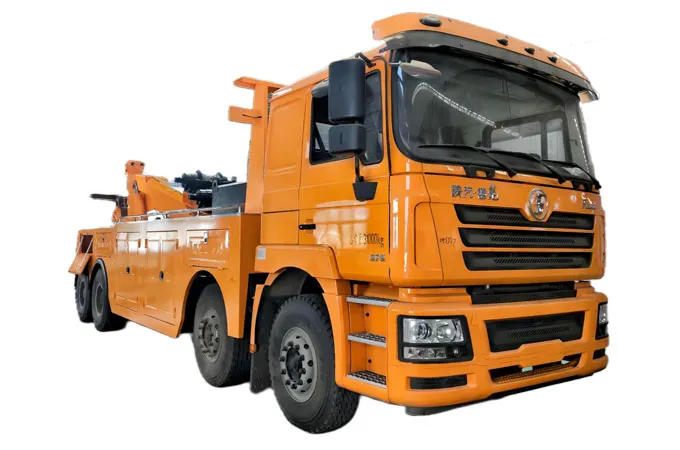
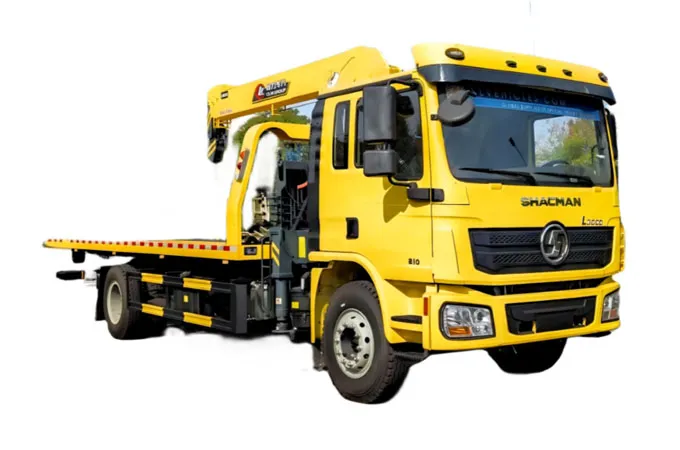
A wrecker truck relies on three primary recovery systems: the hydraulic underlift, the winch, and the tow arm. The hydraulic underlift lifts the disabled vehicle, the winch pulls vehicles from difficult locations, and the tow arm secures them during transportation. Working together, these systems allow recovery operators to perform safe, efficient, and damage-controlled towing in a wide range of recovery situations.
Introduction
To many people, a wrecker truck appears to be a simple towing vehicle. In reality, modern recovery trucks are highly specialized machines equipped with multiple hydraulic and mechanical systems that work together during every recovery operation.
Whether recovering a broken-down passenger car, extracting a truck from a roadside ditch, or clearing an overturned commercial vehicle after a highway accident, operators rarely depend on a single recovery component. Instead, they rely on a combination of the hydraulic underlift, winch, and tow arm to complete the job safely and efficiently.
Each system performs a different function. The winch generates pulling force, the underlift raises and supports the disabled vehicle, and the tow arm keeps it stable throughout transportation. Understanding how these systems interact is essential for fleet managers, towing companies, and buyers choosing a wrecker truck for different recovery applications.
Hydraulic Underlift: Lifting Instead of Dragging
The hydraulic underlift is one of the most important innovations in modern vehicle recovery.
Rather than attaching chains directly to the vehicle body, the underlift slides beneath the front or rear axle and gently raises part of the vehicle off the ground using hydraulic cylinders.
This method distributes weight more evenly and minimizes damage to the vehicle's suspension, bumper, and frame.
How It Works
The operator positions the recovery truck behind or in front of the disabled vehicle.
The hydraulic underlift then extends beneath the axle or wheels before lifting the vehicle to the required transport height.
Once raised, the vehicle remains securely supported throughout transportation.
Advantages of Hydraulic Underlift Systems
Better Vehicle Protection
Improved Stability
Faster Recovery Operations
Suitable for Multiple Vehicle Types
Winch System: The Pulling Power Behind Every Recovery
While the underlift raises vehicles, the winch performs a completely different task.
A hydraulic or electric winch generates powerful pulling force that allows operators to move vehicles before lifting or towing them.
Without a winch, many recoveries would be impossible.
For example, if a truck has slid into a roadside ditch or become stuck in deep mud, it must first be pulled onto stable ground before the underlift can safely raise it.
Typical Winch Applications
A winch is commonly used for:
Vehicles trapped in mud
Recovery from roadside ditches
Snow recovery
Vehicles stuck on steep slopes
Accident recovery
Construction site recoveries
Unlike towing, these situations require controlled pulling rather than transportation.
Hydraulic vs. Electric Winches
Most professional wrecker trucks use hydraulic winches because they provide continuous pulling force during extended recovery operations.
| Feature | Hydraulic Winch | Electric Winch |
|---|
| Pulling Power | Excellent | Moderate |
| Continuous Operation | Yes | Limited |
| Heavy Recovery | Excellent | Moderate |
| Maintenance | Moderate | Lower |
| Best Applications | Commercial Recovery | Light-Duty Recovery |
For heavy-duty recovery operations, hydraulic winches remain the preferred solution due to their reliability and sustained pulling performance.
Tow Arm: Securing the Vehicle During Transport
Once a disabled vehicle has been pulled into position and lifted by the hydraulic underlift, it must remain stable while being transported.
This is where the tow arm becomes essential.
Although often overlooked, the tow arm plays a critical role in maintaining alignment between the recovery truck and the vehicle being towed.
Rather than providing lifting force, the tow arm helps keep the recovered vehicle securely positioned throughout the journey.
Why Tow Arms Matter
A properly adjusted tow arm helps:
Reduce vehicle movement during transport
Improve steering stability
Maintain balanced weight distribution
Reduce stress on the underlift
Improve braking stability
Increase overall transport safety
For long-distance towing, these benefits become even more important.
Without adequate stabilization, unnecessary movement can place additional stress on both the recovery vehicle and the disabled vehicle.
Choosing the Right Tow Arm
Tow arm selection depends on several factors, including:
Vehicle size
Recovery weight
Transport distance
Road conditions
Recovery frequency
Heavy-duty recovery trucks generally require stronger tow arms capable of supporting larger commercial vehicles while maintaining stability over long distances.
How the Three Systems Work Together During Vehicle Recovery
Although the hydraulic underlift, winch, and tow arm each have distinct functions, the most effective recoveries occur when these systems operate together. A successful recovery is not simply about pulling a vehicle—it involves carefully controlling movement from the initial extraction to final transportation.
The following workflow illustrates how a modern wrecker vehicle typically coordinates its winch, hydraulic underlift, and tow arm during a roadside recovery.
Step 1: Assess the Recovery Situation
Before any equipment is deployed, the operator evaluates:
Vehicle weight
Vehicle condition
Road surface
Traffic environment
Recovery angle
Potential hazards
This assessment determines which recovery systems will be used and in what sequence.
Step 2: Use the Winch to Recover the Vehicle
If the disabled vehicle has left the roadway, become stuck in mud, rolled into a ditch, or cannot move under its own power, the winch is deployed first.
Using controlled pulling force, the operator gradually moves the vehicle to a stable position.
The goal is not speed but precision. Sudden movements can increase damage or create unsafe conditions.
Step 3: Lift the Vehicle with the Hydraulic Underlift
Once the vehicle is positioned correctly, the hydraulic underlift slides beneath the axle or wheels and raises the front or rear of the vehicle.
Hydraulic lifting distributes weight evenly, allowing the disabled vehicle to remain balanced throughout transportation.
Because the vehicle is lifted instead of dragged, the risk of suspension damage or body contact is greatly reduced.
Step 4: Secure the Vehicle Using the Tow Arm
After lifting, the tow arm locks the recovered vehicle into position.
This minimizes unwanted movement during:
Acceleration
Braking
Turning
Highway travel
Uneven road surfaces
The tow arm acts as the final stabilization system before transportation begins.
Step 5: Transport to the Destination
With all recovery systems working together, the wrecker truck can safely transport the disabled vehicle to:
Repair workshops
Fleet maintenance centers
Insurance yards
Vehicle storage facilities
Accident investigation sites
This coordinated recovery process is one of the main reasons modern hydraulic wreckers have largely replaced older chain-based towing methods.
Conclusion
Modern vehicle recovery depends on much more than towing power. The hydraulic underlift, winch, and tow arm each perform specialized functions that contribute to safe, efficient, and professional recovery operations.
The hydraulic underlift raises and supports the disabled vehicle, the winch provides controlled pulling force in challenging situations, and the tow arm secures the vehicle throughout transportation. Together, these systems enable a wrecker truck to recover everything from passenger cars to heavy commercial vehicles across a wide variety of operating environments.
For buyers evaluating recovery vehicles, understanding how these systems work together is just as important as comparing towing capacity or engine specifications. Selecting the right combination of recovery equipment ensures greater operational flexibility, improved safety, and long-term value for towing businesses.
Frequently Asked Questions
1. What is a hydraulic underlift on a wrecker truck?
A hydraulic underlift is a lifting mechanism mounted at the rear of a wrecker truck. It raises the front or rear axle of a disabled vehicle using hydraulic cylinders, allowing it to be transported safely without dragging.
2. What is the difference between a tow arm and an underlift?
The underlift performs the lifting function, while the tow arm stabilizes and secures the vehicle during transportation. Although they work together, they serve different purposes throughout the recovery process.
3. Why does a wrecker truck need a winch?
A winch provides controlled pulling force to recover vehicles trapped in mud, sand, snow, roadside ditches, or other locations where towing alone is not possible.
4. Can the winch recover overturned trucks?
Yes. In many cases, the winch is used to carefully reposition or upright overturned vehicles before additional recovery equipment, such as the underlift or a crane, is used to complete the operation.
5. Which recovery system supports most of the vehicle's weight?
During transportation, the hydraulic underlift supports the lifted portion of the vehicle's weight, while the tow arm maintains stability and alignment.
6. How often should hydraulic recovery systems be serviced?
Most manufacturers recommend regular inspections based on operating hours or maintenance schedules. Hydraulic oil, seals, hoses, and cylinders should all be checked routinely to ensure safe operation.