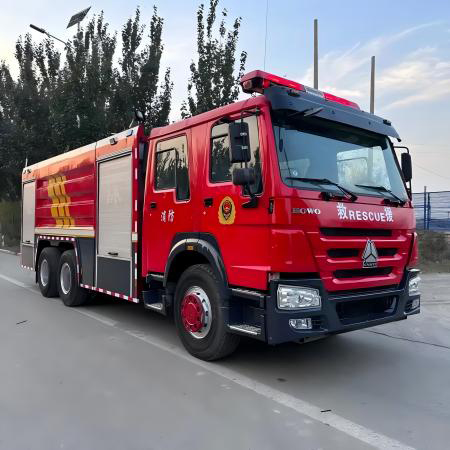
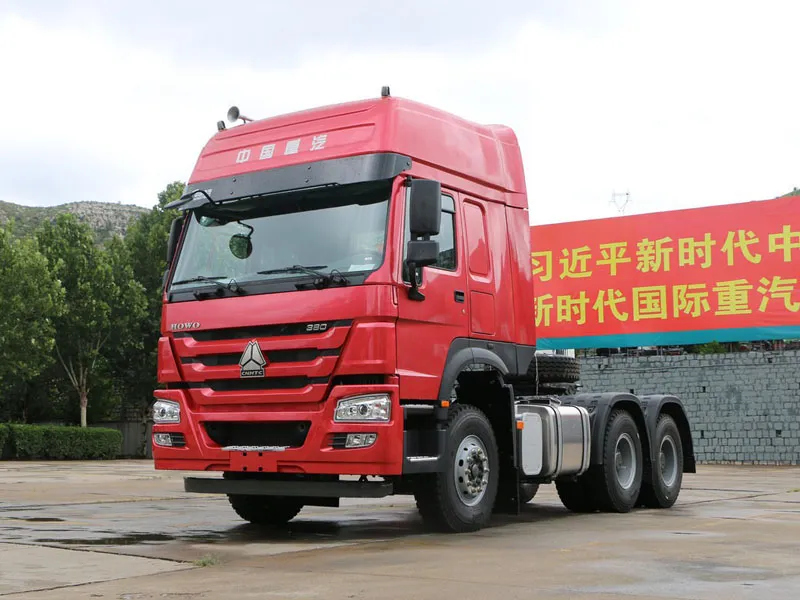
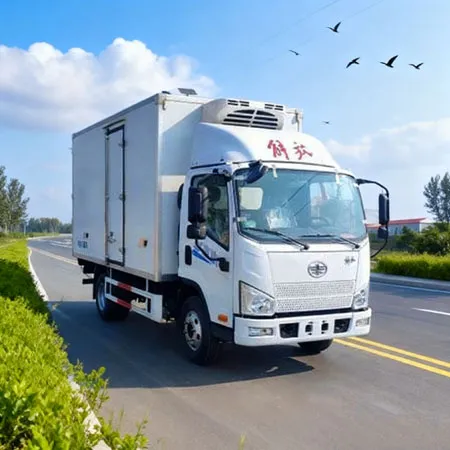
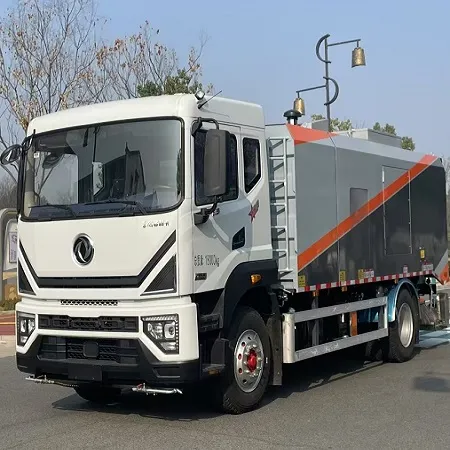
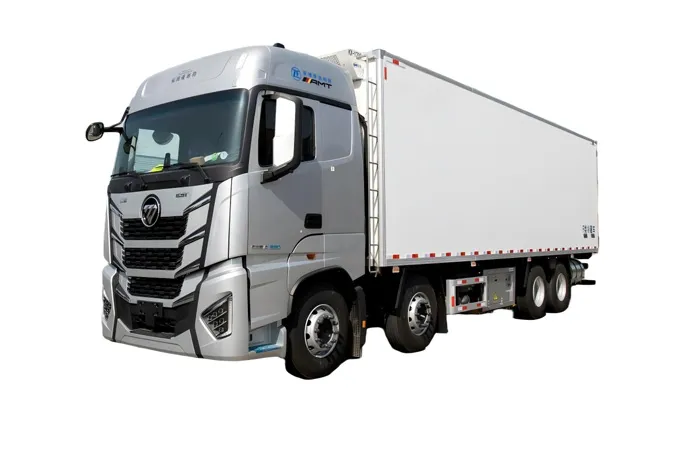
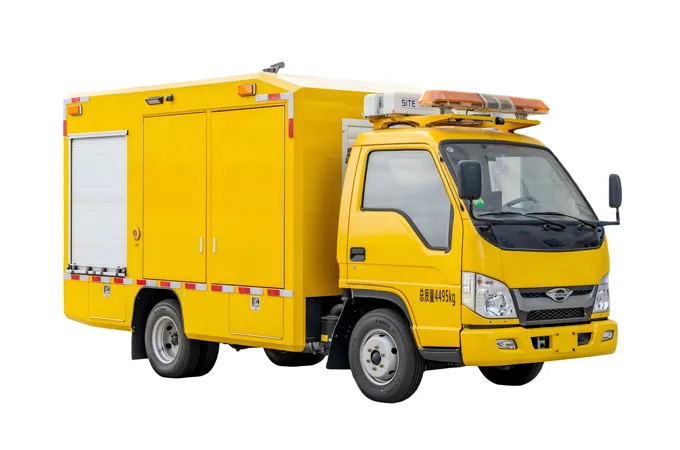
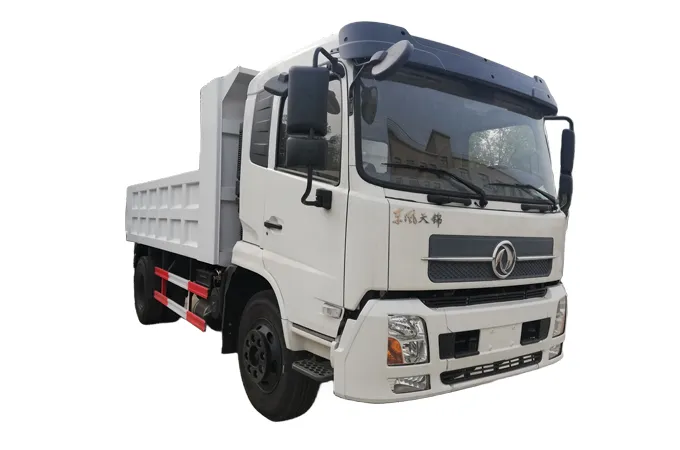
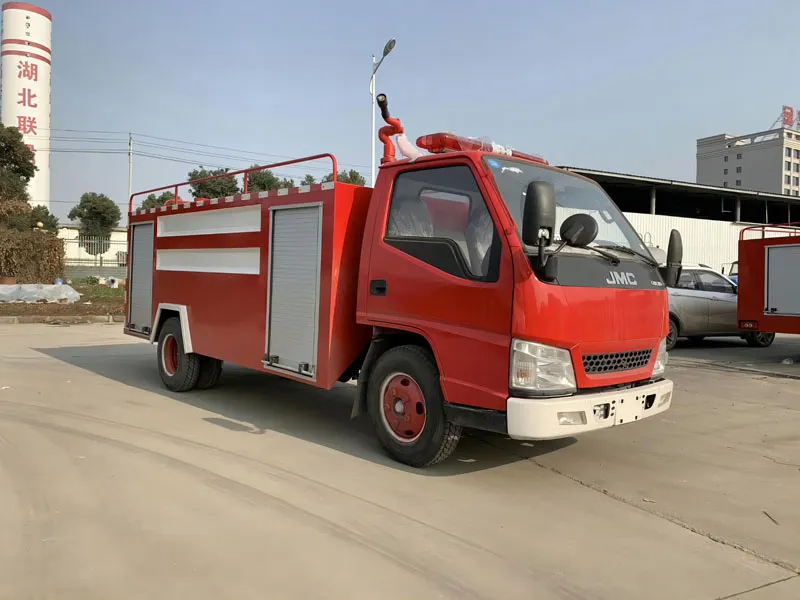
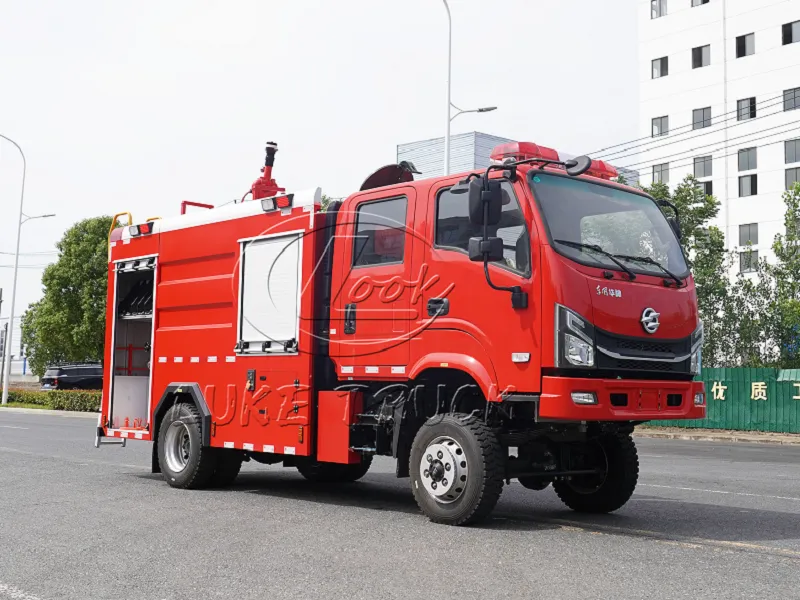
Wrecker trucks are generally classified into light-duty, medium-duty, and heavy-duty models based on towing capacity, chassis strength, recovery equipment, and intended applications. A light duty wrecker truck is best for passenger vehicles, a medium duty wrecker truck handles vans and commercial trucks, while a heavy duty wrecker truck is designed for buses, semi-trucks, tankers, and heavy construction equipment.
Introduction
Not all recovery vehicles are built for the same job. While the term wrecker truck is often used broadly across the towing and recovery industry, these vehicles are typically divided into three categories: light-duty, medium-duty, and heavy-duty.
Each category serves a different purpose. A truck designed to tow passenger cars in urban environments has very different requirements from a vehicle tasked with recovering overturned tractor-trailers on highways. Choosing the wrong class can result in unnecessary operating expenses, reduced efficiency, and limitations in the types of recovery jobs your business can accept.
For fleet managers, towing companies, municipal operators, and roadside assistance providers, understanding the differences between these three classes is essential before investing in a recovery vehicle.
This guide compares light-duty, medium-duty, and heavy-duty wrecker trucks, helping you understand their capabilities, limitations, and ideal applications.
How Are Wrecker Trucks Classified?
Although classifications vary slightly between markets, buyers comparing a wrecker truck for sale should evaluate four primary factors rather than relying only on light-duty, medium-duty, or heavy-duty labels:
Gross Vehicle Weight (GVW)
Recovery and towing capacity
Chassis strength
Typical recovery applications
The table below provides a general comparison.
| Classification | Typical GVW | Recovery Capacity | Common Applications |
|---|
| Light Duty | 3.5–7 tons | Passenger vehicles | Urban towing |
| Medium Duty | 8–16 tons | Vans and small trucks | Fleet service |
| Heavy Duty | 18+ tons | Large commercial vehicles | Highway recovery |
Light Duty Wrecker Truck: Best for Passenger Vehicles
A light duty wrecker truck is designed primarily for passenger cars, SUVs, pickup trucks, and small vans. These vehicles are commonly used by roadside assistance companies operating in urban areas.
Typical Recovery Jobs
Breakdowns on city streets
Advantages
Easier to maneuver in traffic
Faster response in urban environments
Limitations
Cannot safely recover most commercial trucks
Reduced capability in major accident scenes
For companies handling mostly passenger vehicles, a light duty wrecker truck usually provides the best return on investment.
Medium Duty Wrecker Truck: The Most Versatile Option
A medium duty wrecker truck bridges the gap between passenger vehicle towing and commercial truck recovery. Many growing towing companies choose this category because it offers greater flexibility without the operating costs associated with heavy-duty equipment.
Typical Recovery Jobs
Commercial fleet vehicles
Advantages
Can handle most commercial vans
More versatile than light-duty models
Reasonable fuel consumption
Suitable for mixed fleets
Limitations
More expensive than light-duty trucks
Not ideal for large tractor-trailers
Limited capability in severe highway recoveries
For many roadside assistance providers, a medium duty wrecker truck represents the best balance between capability and operating cost.
Heavy Duty Wrecker Truck: Built for Commercial Vehicle Recovery
A heavy duty wrecker truck is designed for the most demanding recovery operations. These vehicles are commonly used by highway rescue contractors, commercial towing companies, mining operators, and industrial recovery specialists.
Typical Recovery Jobs
Common Equipment
Advantages
Maximum recovery capability
Suitable for highway accidents
Can recover heavy commercial vehicles
Handles complex recovery situations
Higher revenue potential per job
Limitations
Requires experienced operators
Less maneuverable in congested cities
Companies specializing in commercial vehicle recovery generally require a heavy duty wrecker truck to remain competitive. In large-scale emergency situations such as highway pileups, floods, or earthquakes, these recovery vehicles often work alongside disaster response trucks to clear roads, recover disabled vehicles, and restore critical transportation routes.
Side-by-Side Comparison: Which Wrecker Truck Fits Your Business?
Although all three categories perform vehicle recovery, they differ significantly in capability, operating costs, and ideal applications.
| Feature | Light Duty Wrecker Truck | Medium Duty Wrecker Truck | Heavy Duty Wrecker Truck |
|---|
| Typical Vehicle Weight | Passenger Cars | Vans & Small Commercial Trucks | Tractor Units & Heavy Equipment |
| Towing Capacity | Low | Medium | High |
| Winch Configuration | Single Winch | Single or Dual Winch | Dual Heavy-Duty Winches |
| Underlift Capacity | Light | Medium | Heavy |
| Recovery Boom | Optional | Standard | Heavy-Duty Boom |
| Optional Crane | Rare | Optional | Common |
| Fuel Consumption | Low | Moderate | High |
| Maintenance Cost | Low | Moderate | High |
| Purchase Cost | Lowest | Medium | Highest |
| Best Operating Area | Urban | Urban & Regional | Highway & Industrial |
Instead of asking which type is "better," buyers should ask which class matches their everyday recovery operations. The most expensive truck is not always the most profitable one if its capabilities exceed actual business requirements.
Comparing Total Cost of Ownership
The purchase price is only one part of the investment. Fleet operators should also evaluate the long-term cost of ownership, including fuel, maintenance, insurance, and replacement parts.
| Cost Category | Light Duty | Medium Duty | Heavy Duty |
|---|
| Initial Investment | Low | Medium | High |
| Fuel Cost | Low | Moderate | High |
| Tire Replacement | Low | Moderate | High |
| Hydraulic Maintenance | Low | Moderate | High |
| Insurance Cost | Low | Moderate | High |
| Annual Operating Cost | Lowest | Moderate | Highest |
For businesses focusing on passenger vehicle recovery, investing in a heavy-duty model may significantly increase operating costs without generating additional revenue. Conversely, companies recovering commercial vehicles could lose business opportunities if their fleet lacks sufficient lifting capacity.
Balancing operational capability with ownership costs is essential when selecting the right wrecker truck.
Which Wrecker Truck Should You Choose?
The following decision guide can help simplify the selection process.
Choose a Light Duty Wrecker Truck if you:
Primarily recover passenger cars and SUVs
Operate within cities or suburban areas
Provide roadside assistance and parking enforcement
Need excellent fuel economy
Want lower maintenance costs
Choose a Medium Duty Wrecker Truck if you:
Recover commercial vans and utility vehicles
Serve mixed passenger and commercial fleets
Need greater flexibility without the cost of heavy-duty equipment
Plan to expand your recovery business
Choose a Heavy Duty Wrecker Truck if you:
Recover buses and semi-trucks
Provide highway rescue services
Work with logistics companies or industrial fleets
Recover construction machinery or municipal vehicles
Require maximum lifting and towing capability
Choosing the right duty class allows operators to maximize equipment utilization while maintaining a healthy balance between investment and operating costs.
Conclusion
Choosing between a light duty wrecker truck, medium duty wrecker truck, and heavy duty wrecker truck is not about selecting the largest or most powerful recovery vehicle. It is about matching the truck's capabilities to the types of recovery jobs your business performs every day.
Light-duty models offer outstanding efficiency for passenger vehicle recovery, medium-duty trucks provide the versatility needed for mixed commercial fleets, and heavy-duty wreckers deliver the power required for large-scale highway and industrial recovery operations.
Before making a purchasing decision, evaluate wrecker truck toour typical recovery workload, future business plans, operating environment, and total cost of ownership. Selecting the right day can improve operational efficiency, reduce long-term expenses, and position your business for sustainable growth.
Frequently Asked Questions
1. What is the difference between a light-duty and a medium-duty wrecker truck?
A light duty wrecker truck is designed for passenger vehicles and light pickups, while a medium duty wrecker truck can recover delivery vans, utility trucks, and other small commercial vehicles with higher towing and lifting capacities.
2. What is a heavy-duty wrecker truck used for?
A heavy duty wrecker truck is used to recover buses, semi-trucks, fuel tankers, dump trucks, construction equipment, and other heavy commercial vehicles.
3. Can a medium-duty wrecker truck tow buses?
Some medium-duty models can recover smaller buses, but large city buses and coaches generally require a heavy duty wrecker truck.
4. How do I know when to upgrade my recovery fleet?
If your business begins handling heavier commercial vehicles, larger recovery projects, or highway rescue operations on a regular basis, it may be time to add a medium-duty or heavy-duty wrecker truck to your fleet.