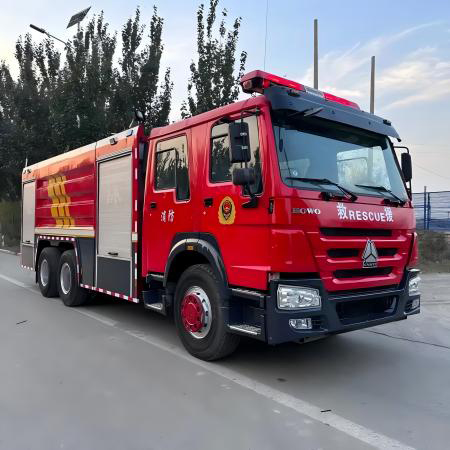
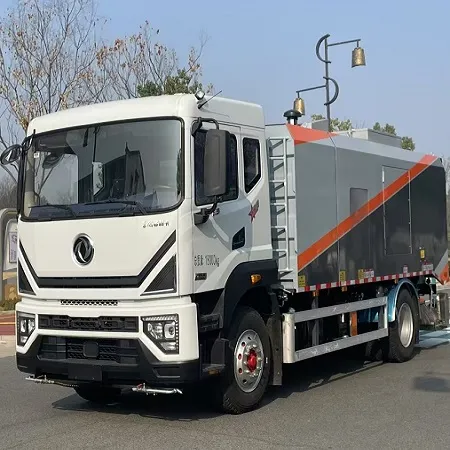
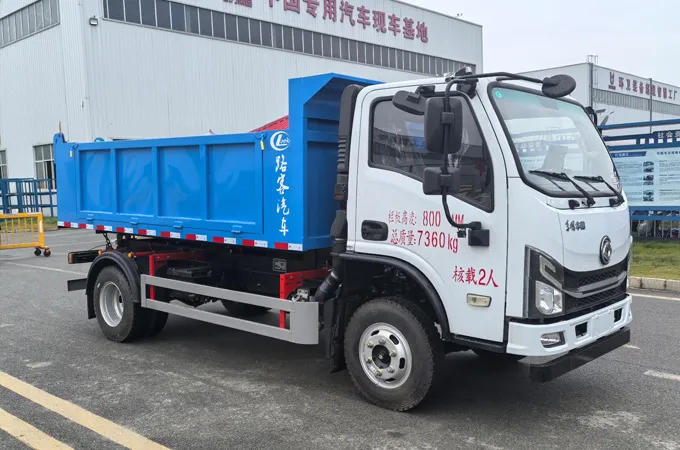
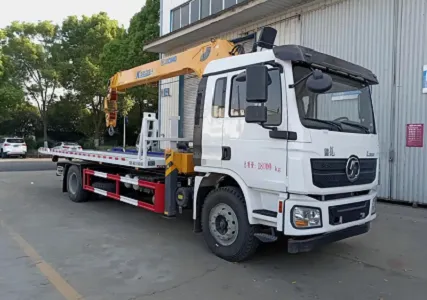
A wrecker truck with crane is the best choice when vehicles cannot be recovered using conventional towing methods. Unlike standard recovery trucks, crane-equipped wreckers can lift overturned vehicles, recover trucks trapped in ditches, remove heavy machinery, and perform complex rescue operations where winches or underlifts alone are insufficient.
Introduction
For many towing companies, a standard wrecker truck is capable of handling everyday roadside assistance, vehicle breakdowns, and short-distance towing. However, recovery situations are not always straightforward. Vehicles may overturn, slide into roadside ditches, become trapped on construction sites, or require lifting rather than pulling.
In these situations, a conventional recovery truck may not provide enough lifting capability to complete the job safely. This is where a wrecker truck with crane becomes an essential piece of equipment.
By combining a hydraulic recovery system with a lifting crane, these specialized vehicles can perform both towing and heavy lifting operations, reducing the need for additional machinery such as mobile cranes. As a result, they are widely used by highway rescue companies, municipal emergency services, construction contractors, mining operators, and industrial fleets.
This guide explains when buyers should consider a crane-equipped recovery truck, the advantages it offers over standard models, and the key factors to evaluate before making a purchasing decision.
Why Add a Crane to a Wrecker Truck?
Traditional recovery trucks rely primarily on winches, underlifts, and towing booms. While these systems work well for most roadside recoveries, they have limitations when a vehicle cannot roll or be pulled safely.
A hydraulic crane adds vertical lifting capability, allowing operators to recover vehicles and equipment from locations where conventional towing is impractical.
Typical situations include:
Vehicles overturned after traffic accidents
Trucks trapped in drainage ditches
Construction machinery stuck on job sites
Equipment requiring precise lifting
Containers or heavy components blocking roads
Vehicles located in confined spaces
Instead of calling a separate mobile crane, operators can complete both lifting and towing using a single wrecker truck with crane, saving time and reducing recovery costs.
Standard Wrecker Truck vs. Wrecker Truck with Crane
Understanding the differences between these two recovery vehicles helps buyers choose the most suitable configuration.
| Feature | Standard Wrecker Truck | Wrecker Truck with Crane |
|---|
| Vehicle Towing | ✔ | ✔ |
| Winch Recovery | ✔ | ✔ |
| Underlift System | ✔ | ✔ |
| Vertical Lifting | ✖ | ✔ |
| Recover Overturned Vehicles | Limited | Excellent |
| Lift Heavy Equipment | ✖ | ✔ |
| Construction Site Recovery | Limited | Excellent |
| Disaster Recovery | Moderate | Excellent |
| Investment Cost | Lower | Higher |
When Is a Crane Recovery Truck Necessary?
Not every recovery operation requires a crane. However, certain applications make a wrecker truck with crane the preferred solution.
Highway Accident Recovery
Heavy collisions often leave trucks overturned or severely damaged. A crane can safely lift vehicles before they are towed away, reducing recovery time and minimizing traffic disruption.
Construction Site Recovery
Construction equipment frequently operates on uneven ground where standard towing techniques may not work. Crane-equipped wreckers can lift machinery out of mud, trenches, or confined work areas without requiring additional lifting equipment.
Municipal Emergency Operations
Municipal authorities often respond to accidents involving buses, utility vehicles, and road maintenance equipment. A crane recovery truck enables crews to remove damaged vehicles quickly, restoring traffic flow while reducing the need for multiple response vehicles.
Mining and Industrial Applications
Mining trucks, forklifts, generators, and industrial machinery often require lifting rather than towing. A wrecker truck with crane provides the versatility needed to handle these demanding recovery tasks.
Choosing the Right Crane Capacity
One of the biggest mistakes buyers make is selecting a crane based solely on its maximum lifting capacity.
Instead, consider:
The heaviest vehicle or equipment you expect to recover
Typical lifting radius
Boom extension requirements
Available working space
Local road weight restrictions
Chassis payload capacity
For example, recovering an overturned delivery truck on a highway requires a different crane configuration than lifting construction equipment on a confined job site.
Selecting the correct crane specification ensures safe operation while avoiding unnecessary costs.
Common Crane Configurations for Wrecker Trucks
Not every wrecker truck with crane is built the same. When evaluating a wrecker truck for sale, buyers should compare the crane type, lifting capacity, working radius, chassis payload, recovery equipment, and expected operating conditions rather than focusing on the crane size alone.
The ideal configuration depends on the type of recovery work, lifting frequency, and the weight of the vehicles or equipment being recovered.
| Crane Configuration | Typical Lifting Capacity | Best Applications |
|---|
| Small Hydraulic Crane | 3–5 tons | Passenger vehicles, pickups, roadside assistance |
| Medium Hydraulic Crane | 5–8 tons | Vans, utility trucks, municipal vehicles |
| Heavy Hydraulic Crane | 8–16 tons | Buses, dump trucks, construction equipment |
| Telescopic Crane | Long working radius | Highway recovery, bridge and roadside operations |
| Folding Boom Crane | Compact storage | Urban recovery with limited working space |
Industries That Benefit Most from Crane Recovery Trucks
Although any towing company can benefit from additional lifting capability, certain industries rely on wrecker trucks with crane more than others.
Should You Buy a Wrecker Truck with Crane?
The answer depends on your business model rather than your budget.
The following decision guide can help determine whether a crane-equipped recovery vehicle is the right investment.
A Standard Wrecker Truck Is Usually Enough If You:
Primarily tow passenger vehicles
Provide local roadside assistance
Handle parking enforcement
Recover vehicles on paved urban roads
Rarely perform heavy lifting
Choose a Wrecker Truck with Crane If You:
Recover overturned vehicles regularly
Serve construction companies
Recover commercial trucks or buses
Work in mining or industrial environments
Provide municipal emergency recovery
Need to lift damaged equipment before towing
Want to expand into higher-value recovery services
For businesses handling complex recoveries, investing in a wrecker truck with crane often reduces reliance on additional lifting equipment while improving operational flexibility.
Conclusion
A wrecker truck with crane is not designed to replace a standard recovery vehicle—it is built to solve recovery challenges that conventional towing equipment cannot handle. By combining lifting, towing, and recovery capabilities into a single vehicle, crane-equipped wreckers provide greater flexibility for highway rescue, municipal services, construction projects, mining operations, and emergency response.
Before making an investment, buyers should evaluate the types of recovery work they perform most frequently, the weight of the vehicles they handle, and the environments in which they operate. Selecting the appropriate crane capacity, chassis, and recovery equipment will help maximize productivity while controlling long-term operating costs.For businesses looking to expand beyond routine towing and enter higher-value recovery operations, a wrecker truck with crane offers a practical and future-ready solution.
Frequently Asked Questions
1. What is a wrecker truck with crane?
A wrecker truck with crane combines traditional towing equipment with a hydraulic lifting crane, allowing operators to tow, lift, and recover damaged vehicles or heavy equipment using a single vehicle.
2. When do I need a crane recovery truck instead of a standard wrecker?
A crane recovery truck is recommended when vehicles are overturned, trapped in ditches, located on construction sites, or require vertical lifting before they can be towed safely.
3. Can a crane replace the winch on a wrecker truck?
No. A crane and a winch perform different functions. The crane lifts vehicles vertically, while the winch pulls vehicles horizontally. Many recovery operations require both systems to work together.
4. Which industries commonly use crane-equipped recovery trucks?
Highway rescue companies, municipal emergency services, construction contractors, mining operators, utility companies, and industrial fleets all benefit from the additional lifting capability provided by a wrecker truck with crane.
5. How do I choose the right crane capacity?
Choose a crane based on the weight of the vehicles or equipment you recover most frequently, the required lifting radius, and the available working space rather than simply selecting the highest lifting capacity.