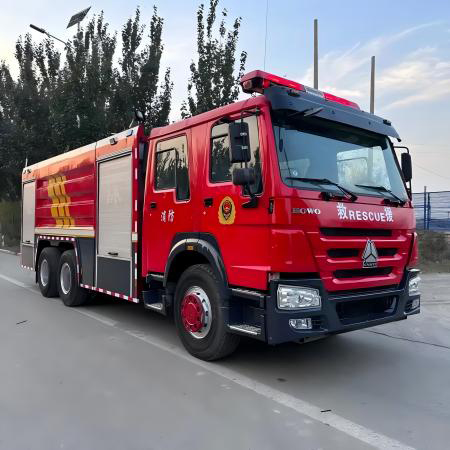
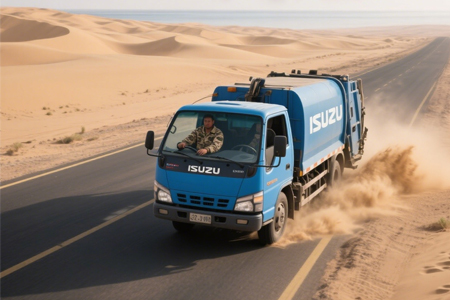
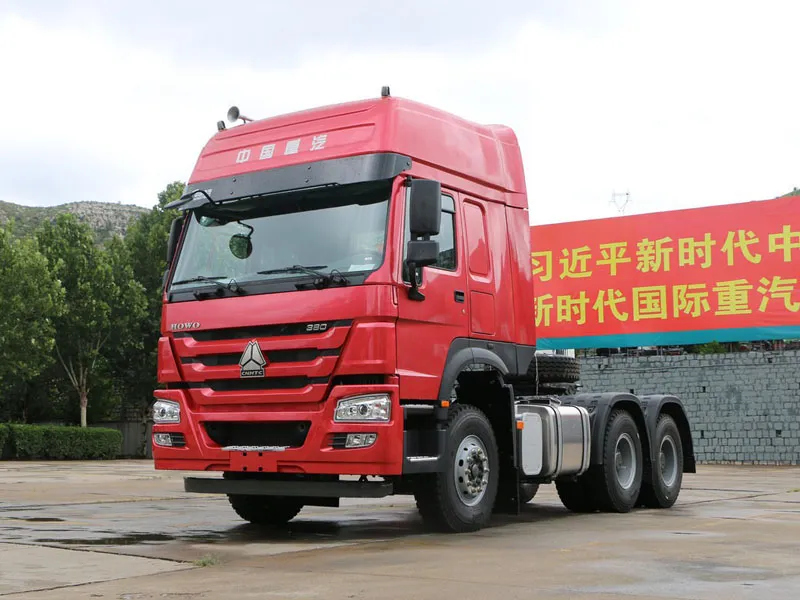
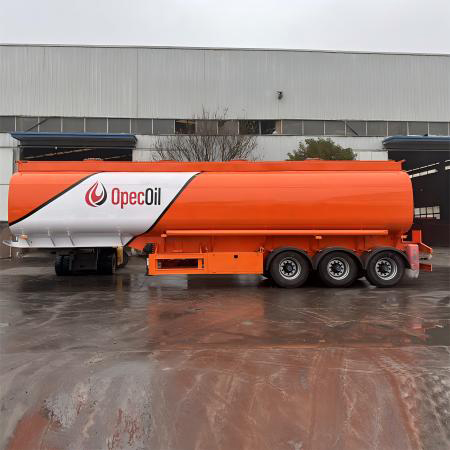
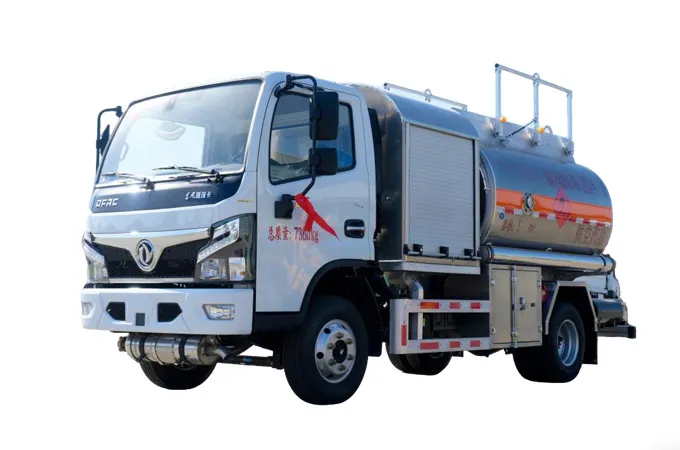
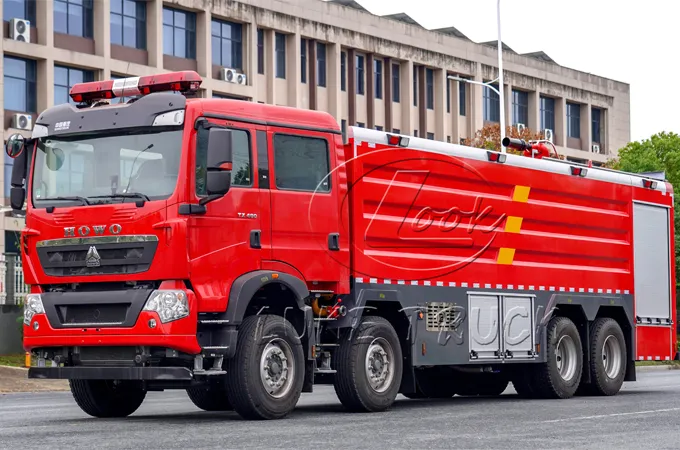
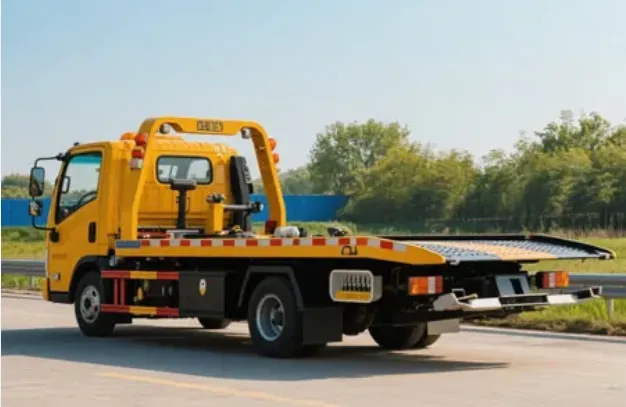
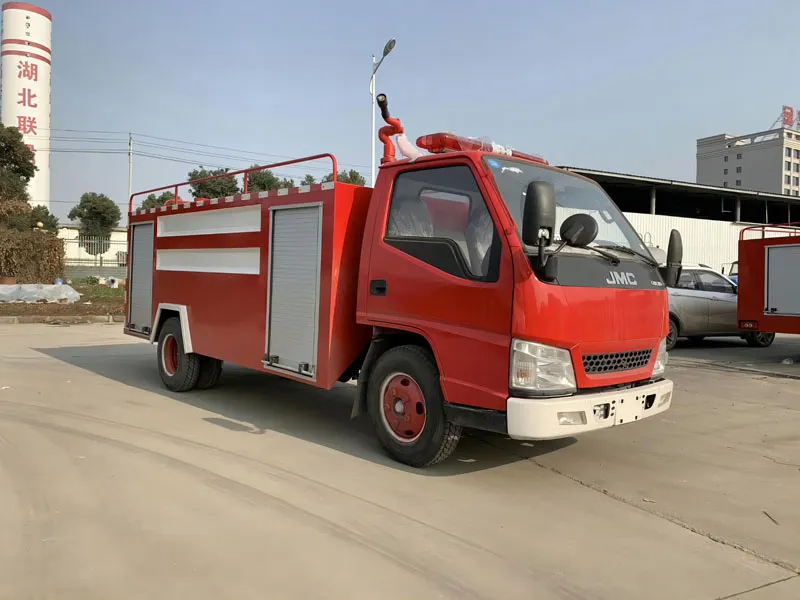
The water tanker truck market is evolving rapidly as industries and governments place greater emphasis on water transportation, dust suppression, infrastructure development, and emergency water supply. From construction sites and mining operations to municipal water distribution and agricultural projects, demand for reliable water tanker trucks continues to grow worldwide.
For fleet operators, contractors, and public sector buyers, understanding the key market trends can help identify the right investment opportunities and prepare for future operational needs.
Water Tanker Truck Market Growth Is Fueled by Infrastructure Development
One of the primary drivers of the water tanker truck market is ongoing infrastructure expansion. As governments invest in roads, bridges, industrial parks, and urban development projects, the need for mobile water transportation increases.
Water tankers are commonly used for:
Dust control on construction sites
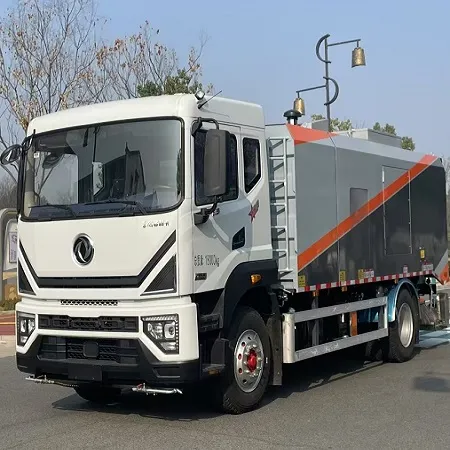
Road cleaning and maintenance(often performed by the sanitation truck)
Soil compaction projects
Temporary water supply during infrastructure work
Environmental management operations
In many developing regions, where fixed water infrastructure is still expanding, a water truck tanker remains one of the most practical solutions for delivering water efficiently.
Water Tanker Truck Market Benefits from Expanding Mining and Industrial Activities
The water tanker truck market is also benefiting from increased activity in mining, energy, and industrial sectors.
Mining operations, in particular, rely heavily on water trucks for:
Similarly, industrial facilities often require a tanker truck of water for operational support, emergency preparedness, and facility maintenance.
The continued growth of resource extraction and industrial development is expected to support long-term demand for specialized water transportation vehicles.
Water Tanker Truck Market Trends Buyers Should Watch
Several emerging trends are shaping the future of the water tanker truck market.
Larger Capacity Water Tanker Trucks
Many operators are seeking larger-capacity vehicles to reduce refill frequency and improve operational efficiency.
Benefits include:
However, buyers must balance tank size with local road regulations, operational requirements, and the capacity of truck needed for their specific applications.
Smarter Water Tanker Truck Operations
Fleet management technologies are becoming increasingly common across commercial vehicle markets.
Modern water tankers may include:
These technologies help fleet managers improve efficiency while reducing operating costs.
Greater Focus on Sustainability
Environmental concerns are influencing purchasing decisions across many industries.
Manufacturers are responding by developing:
More fuel-efficient chassis
Improved spray systems that reduce water waste
Enhanced corrosion-resistant tank materials
Lower-emission vehicle options
As sustainability goals become more important, these features are likely to play a larger role in procurement decisions.
Water Tanker Truck Market Opportunities by Application
The diversity of end-user industries creates multiple growth opportunities within the water tanker truck market.
| Industry | Primary Use of Water Tanker Trucks |
| Construction | Dust suppression and site maintenance |
| Mining | Haul road dust control |
| Municipal Services | Street cleaning and water delivery |
| Agriculture | Irrigation support and water transport |
| Emergency Response | Temporary water supply during disasters |
This broad customer base helps maintain market stability even when demand fluctuates within a specific sector.
Water Tanker Truck Market Challenges Facing Manufacturers and Buyers
Despite strong growth potential, the water tanker truck market faces several challenges.
These include:
Rising vehicle production costs
Emissions compliance requirements
Supply chain uncertainties
Increasing customer expectations for durability and after-sales support
To remain competitive, manufacturers must focus on product reliability, customization capabilities, and long-term service support.
The Future Outlook for the Water Tanker Truck Market
Looking ahead, industry analysts expect continued expansion of the water tanker truck market, supported by infrastructure investment, industrial development, and increasing demand for efficient water transportation solutions.
For buyers, selecting the right water tanker trucks will involve more than tank capacity alone. Factors such as operational efficiency, lifecycle costs, maintenance support, and technology integration will become increasingly important in determining long-term value.
As water management challenges continue to grow globally, the role of the water truck tanker is expected to remain essential across numerous industries.
FAQs
1. What is driving growth in the water tanker truck market?
Infrastructure development, mining activities, municipal services, and agricultural water transportation are among the key growth drivers.
2. Which industries use water tanker trucks most frequently?
Construction, mining, agriculture, municipal services, and emergency response organizations are major users.
3. What is the difference between a water tanker truck and a standard tanker truck?
A water tanker truck is specifically designed to transport and distribute water, often with spray systems and pumps for operational use.
4. Why are larger water tanker trucks becoming more popular?
Larger tanks can reduce refill frequency, improve efficiency, and lower operating costs in large-scale projects.
5. What should buyers consider when purchasing a water truck tanker?
Important factors include tank capacity, chassis reliability, spray system performance, maintenance requirements, and after-sales support.