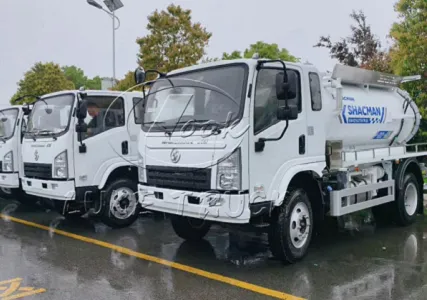
The global tipper trucks market continues to expand as construction, mining, infrastructure, and logistics projects create increasing demand for efficient material transportation. Whether moving aggregates, sand, coal, ore, or demolition waste, tipper trucks remain one of the most essential vehicles for heavy-duty operations.
For contractors, fleet managers, and equipment buyers, understanding the current market landscape is critical when planning future investments. Factors such as infrastructure spending, mining activity, vehicle technology, and operating costs are all influencing purchasing decisions in today's competitive environment.
Tipper Trucks Market Growth Is Closely Linked to Infrastructure Development
One of the strongest drivers of the tipper trucks market is global infrastructure investment. Governments worldwide continue to allocate resources toward roads, railways, airports, industrial parks, and urban development projects.
These projects require large-scale transportation of construction materials, making tipper trucks indispensable for daily operations.
Key growth drivers include:
Expansion of transportation infrastructure
Urbanization and housing construction
Renewable energy projects
Industrial and commercial developments
Public works and municipal engineering projects
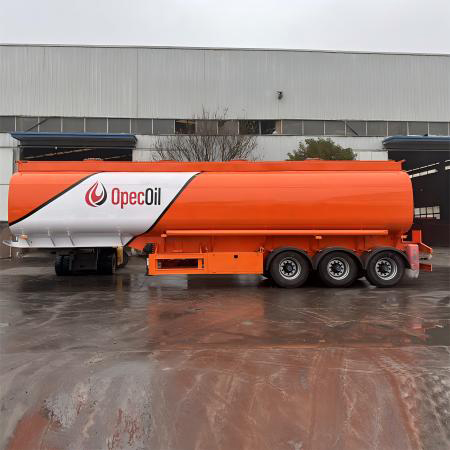
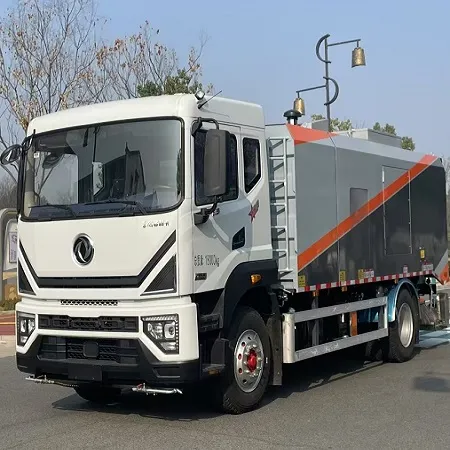
As infrastructure demand increases, fleet operators are seeking vehicles that can improve productivity while reducing operating costs, including construction fuel trucks to ensure continuous site operations and efficient material handling.
Tipper Trucks Market Benefits from Expanding Mining Operations
The tipper trucks market also benefits from growth in the mining sector. Mining companies rely heavily on tipper trucks to transport raw materials efficiently across challenging terrain.
Common mining applications include:
Coal transportation
Metal ore hauling
Quarry operations
Aggregate transportation
Waste material removal
As global demand for minerals and construction materials remains strong, mining-related purchases continue to support market growth.
Tipper Trucks Market Trends: Different Types of Tipper Trucks Are Gaining Attention
One notable trend within the tipper trucks market is the growing demand for specialized vehicle configurations.
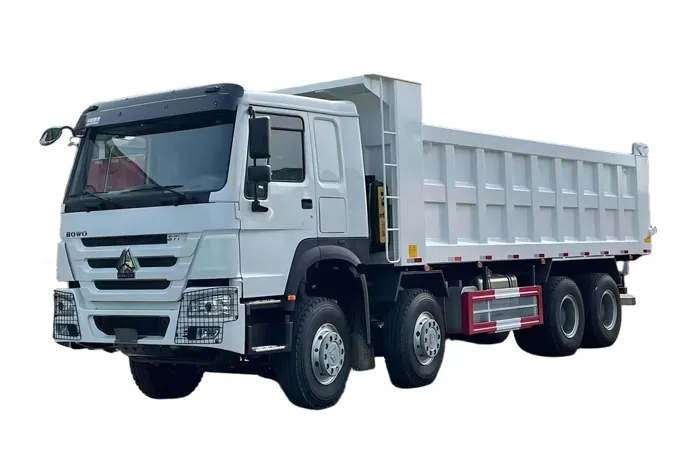
Different projects require different hauling solutions, leading buyers to evaluate the different types of tipper trucks available.
| Tipper Truck Type | Common Application |
| Rear Tipper Truck | General construction and earthmoving |
| Side Tipper Truck | Mining and bulk material transportation |
| Roll-Off Tipper Truck | Waste management and recycling |
| Articulated Tipper Truck | Off-road and rough terrain operations |
| Semi-Trailer Tipper | Long-distance bulk hauling |
For example, interest in side tipper trucks for sale has increased in regions with large mining and quarrying operations due to their ability to unload materials quickly and efficiently.
Tipper Trucks Market Trends: Technology and Efficiency Matter More Than Ever
The modern tipper trucks market is increasingly influenced by technology and fleet optimization.
Today's buyers often prioritize:
Improved Fuel Efficiency
Fuel costs remain one of the largest operating expenses for fleet owners. Manufacturers are responding by introducing:
Advanced Fleet Management
Many operators now use:
GPS tracking
Real-time vehicle diagnostics
Predictive maintenance systems
Driver performance monitoring
These technologies help reduce downtime while improving overall fleet utilization.
Enhanced Safety Features
Safety is becoming a major purchasing consideration, particularly for construction and mining companies.
Popular features include:
Tipper Trucks Market Opportunities for Isuzu and Other Commercial Vehicle Brands
As fleet operators seek reliable and cost-effective commercial trucks, established brands continue to play an important role in the tipper trucks market.
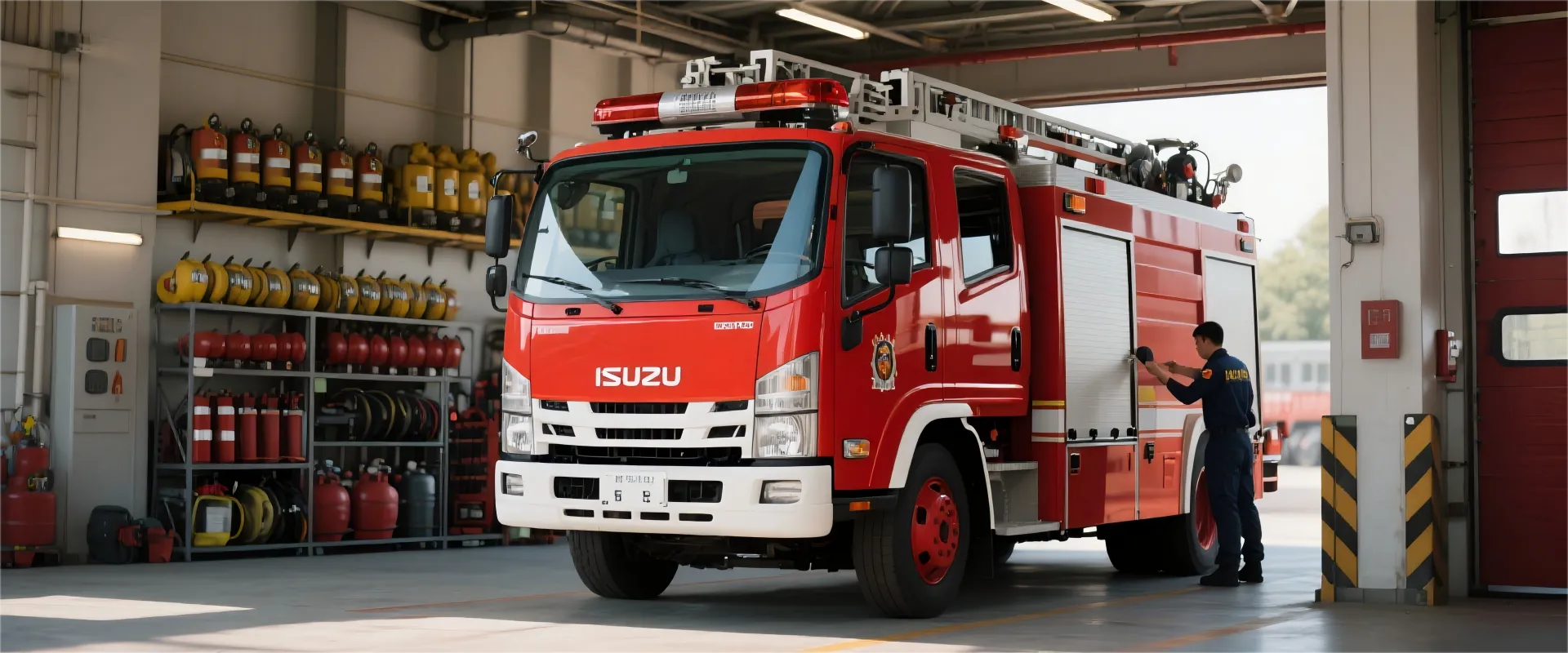
For example, Isuzu trucks tipper configurations are often considered by buyers looking for durability, fuel efficiency, and strong after-sales support. Similar demand exists for other global and regional commercial vehicle manufacturers offering specialized tipping solutions.
Manufacturers that can provide customizable body options, dependable performance, and long-term service support are likely to gain a competitive advantage.
What the Future Holds for the Tipper Trucks Market
Looking ahead, the tipper trucks market is expected to benefit from continued infrastructure development, mining expansion, and urbanization across many regions.
At the same time, buyers are becoming more focused on total cost of ownership rather than purchase price alone. Vehicle reliability, fuel consumption, maintenance requirements, and resale value are increasingly influencing procurement decisions.
As projects become larger and operational efficiency becomes more important, demand for advanced and application-specific tipper trucks is likely to remain strong in the years ahead.
FAQs
1. What is driving growth in the tipper trucks market?
Infrastructure development, mining activities, urbanization, and construction projects are the primary growth drivers.
2. What are the different types of tipper trucks?
Common types include rear tipper trucks, side tipper trucks, articulated dump trucks, roll-off tippers, and semi-trailer tippers.
3. Why are side tipper trucks becoming more popular?
Side tipper trucks can unload materials more quickly and are particularly useful in mining and bulk transportation operations.
4. Are Isuzu trucks tipper models suitable for construction work?
Yes. Many operators choose Isuzu tipper trucks because of their reliability, fuel efficiency, and suitability for medium- and heavy-duty applications.
5. What should buyers consider when purchasing tipper trucks?
Important factors include payload capacity, fuel efficiency, operating environment, maintenance costs, safety features, and after-sales support.