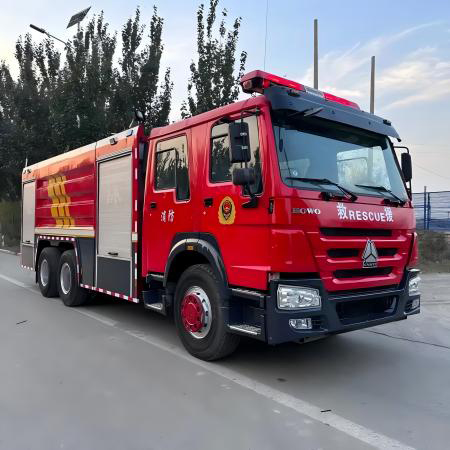
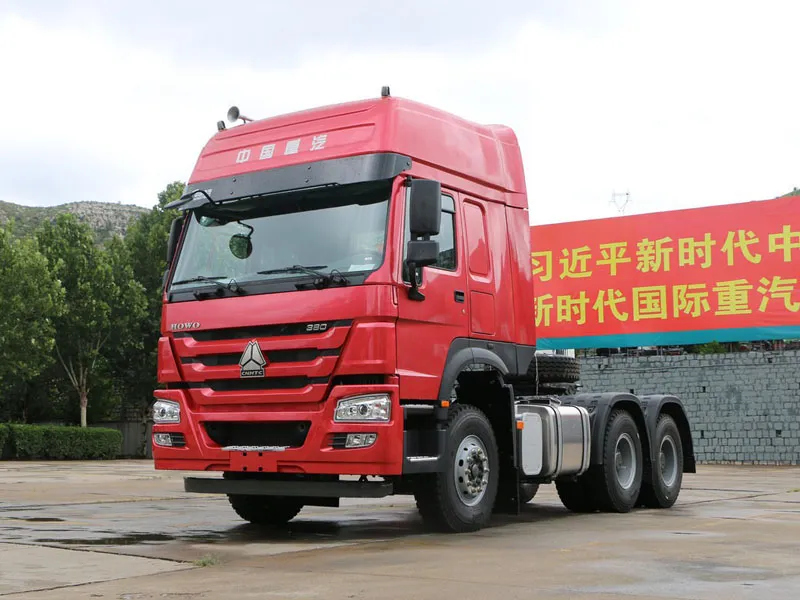
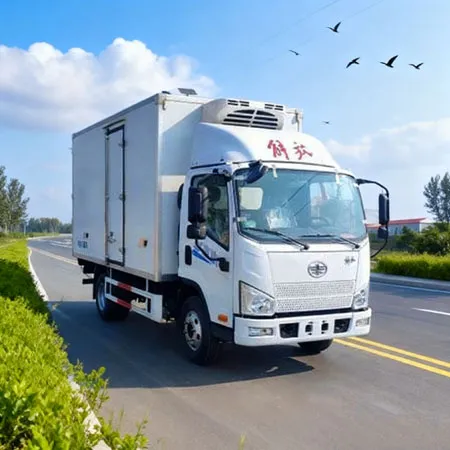
The best wrecker truck chassis depends on the vehicles you recover and the environments where you operate. A 4×2 chassis is ideal for light-duty urban towing, 6×4 offers greater traction and versatility for commercial vehicle recovery, while 8×4 is designed for heavy-duty rescue operations involving large trucks, buses, and construction equipment.
Introduction
When purchasing a wrecker truck, buyers often focus on towing capacity, hydraulic equipment, or crane specifications. However, one of the most important decisions is selecting the right chassis configuration.
Whether a recovery truck uses a 4×2, 6×4, or 8×4 chassis influences far more than its appearance. Axle configuration affects traction, weight distribution, maneuverability, payload, recovery stability, maintenance costs, and the types of vehicles the truck can safely recover. A 4×2 recovery truck may be perfect for urban roadside assistance but struggle with heavy commercial vehicles. Conversely, an 8×4 truck provides exceptional lifting and towing capability but may be unnecessarily expensive and difficult to operate in cities. Understanding the strengths and limitations of each chassis layout helps buyers invest in equipment that matches their business model and maximizes long-term productivity.
What Do 4×2, 6×4 and 8×4 Mean?
Before comparing performance, it's important to understand the terminology.
The first number refers to the total number of wheel positions, while the second indicates how many of those wheels receive engine power.
| Chassis | Total Wheel Positions | Driven Wheels | Typical Application |
|---|
| 4×2 | 4 | 2 | Urban towing, passenger vehicles |
| 6×4 | 6 | 4 | Medium and heavy recovery |
| 8×4 | 8 | 4 | Heavy-duty recovery, industrial operations |
Although larger chassis generally support heavier equipment, the most suitable configuration depends on recovery requirements rather than size alone.
4×2 Wrecker Truck: Best for Urban Roadside Assistance
A 4×2 wrecker truck is the most compact and maneuverable option. It is commonly used by towing companies, insurance service providers, and municipal fleets that recover passenger cars, SUVs, and light commercial vehicles.
Advantages
Excellent maneuverability in urban areas
Lower purchase price
Better fuel efficiency
Reduced maintenance costs
Easier parking and operation
These characteristics make the 4×2 chassis an ideal solution for businesses that primarily provide roadside assistance or local towing services.
Limitations
Despite its advantages, a 4×2 chassis has limitations when handling heavier recoveries.
Typical constraints include:
For companies expecting frequent heavy-duty operations, a larger chassis may offer better long-term value.
6×4 Wrecker Truck: The Most Versatile Choice
For many professional towing companies, the 6×4 wrecker truck represents the best balance between performance and practicality.
With two driven rear axles, it provides improved traction and greater payload capacity while remaining easier to operate than an 8×4 model.
Ideal Applications
A 6×4 chassis is well suited for:
Because it combines stronger recovery capability with reasonable operating costs, the 6×4 configuration is often considered the most versatile option for mixed recovery operations.
8×4 Wrecker Truck: Built for Heavy Recovery Operations
An 8×4 wrecker truck is designed for the most demanding recovery environments.
Its larger chassis supports heavier recovery equipment, higher axle loads, and greater lifting stability, making it the preferred choice for recovering buses, tractor units, concrete mixers, fuel tankers, and construction machinery.
Typical Applications
Heavy-duty 8×4 recovery trucks are frequently used in:
Commercial vehicle recovery
Mining operations
Construction projects
Municipal emergency services
Long-distance highway rescue
Industrial equipment transportation
Many wrecker trucks with crane are also built on 8×4 chassis because the additional axle capacity provides the stability needed for safe lifting operations.
How Chassis Configuration Affects Recovery Stability
One of the most overlooked aspects of chassis selection is vehicle stability during recovery operations.
During towing or lifting, the wrecker recovery truck must support not only its own weight but also part of the disabled vehicle's weight. Poor weight distribution can reduce traction, affect steering, and compromise braking performance.
Why More Axles Improve Stability
Additional axles provide several advantages:
Better weight distribution
Higher legal axle load limits
Improved balance during lifting
Reduced stress on suspension components
Greater resistance to tipping during heavy recoveries
This is especially important when operating a wrecker truck with crane, where lifting forces create additional load on the chassis.
For heavy-duty recovery work involving buses, concrete mixers, or tractor units, an 8×4 chassis offers significantly greater stability than a 4×2 configuration.
Which Chassis Is Best for Different Industries?
Different industries place different demands on recovery vehicles.
Roadside Assistance Companies
Recommended chassis: 4×2
Primary recoveries include:
Passenger cars
SUVs
Pickup trucks
Small vans
The compact size improves maneuverability in city streets and residential areas.
Commercial Fleet Recovery
Recommended chassis: 6×4
Suitable for:
This configuration offers enough towing power while remaining economical for daily operations.
Construction Contractors
Recommended chassis: 6×4 or 8×4
Construction sites often involve uneven terrain, heavy machinery, and difficult access.
Many contractors prefer pairing a reinforced chassis with a wrecker truck with crane to combine towing and lifting capabilities.
Mining Operations
Recommended chassis: 8×4
Mining environments demand maximum traction, high payload capacity, and exceptional structural strength.
Heavy-duty recovery trucks operating in these conditions are often equipped with reinforced frames, high-capacity hydraulic systems, and multiple recovery winches.
Municipal Emergency Services
Municipal fleets often recover:
A 6×4 chassis is suitable for most city applications, while larger municipalities responsible for heavy rescue operations may benefit from an 8×4 configuration.
Conclusion
Selecting the right chassis is one of the most important decisions when purchasing a wrecker truck. While towing capacity and recovery equipment often receive the most attention, the underlying chassis determines how effectively the vehicle performs under real-world conditions.
A 4×2 chassis is ideal for urban roadside assistance and light-duty towing, offering excellent maneuverability and low operating costs. A 6×4 configuration provides the versatility needed for mixed commercial recovery operations, making it the preferred choice for many professional towing companies. For businesses handling buses, heavy trucks, construction equipment, or industrial machinery, an 8×4 chassis delivers the stability, payload, and recovery performance required for demanding applications.
Rather than selecting the largest chassis available, buyers should evaluate the types of vehicles they recover, the environments in which they operate, and their long-term business plans. Choosing the right configuration ensures greater efficiency, lower lifetime costs, and a stronger return on investment.
Frequently Asked Questions
1. What does 4×2, 6×4, and 8×4 mean on a wrecker truck?
These numbers describe the truck's axle configuration. The first number indicates the total wheel positions, while the second represents how many of those wheels are driven by the engine.
2. Which chassis is best for roadside assistance?
A 4×2 wrecker truck is generally the best choice for roadside assistance because it offers excellent maneuverability, lower operating costs, and sufficient towing capacity for passenger vehicles.
3. Why do heavy-duty recovery trucks use 8×4 chassis?
An 8×4 chassis provides higher payload capacity, better weight distribution, and improved stability, making it suitable for recovering buses, heavy trucks, and construction machinery.
4. Is a 6×4 chassis suitable for commercial vehicle recovery?
Yes. A 6×4 chassis offers an excellent balance of towing capacity, traction, maneuverability, and operating costs, making it ideal for many commercial recovery businesses.
5. Does chassis configuration affect towing capacity?
Yes. While towing capacity also depends on the hydraulic system and recovery equipment, chassis design determines payload, axle load limits, structural strength, and overall recovery stability.
6. Which chassis works best with a crane-equipped wrecker?
Most wrecker trucks with crane are built on 6×4 or 8×4 chassis because these configurations provide the stability and axle capacity required for safe lifting operations.