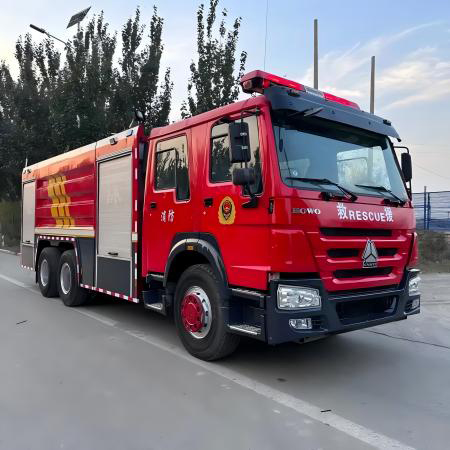
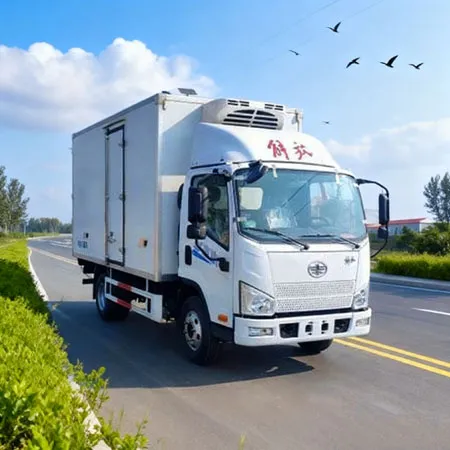
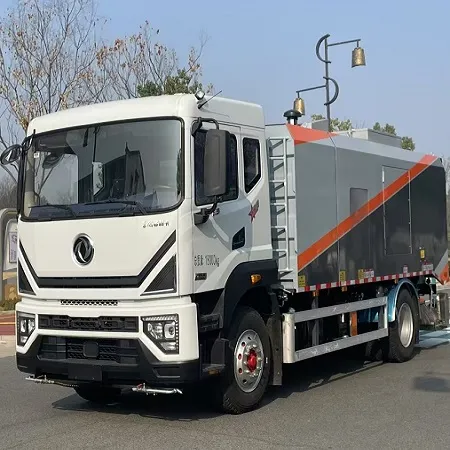
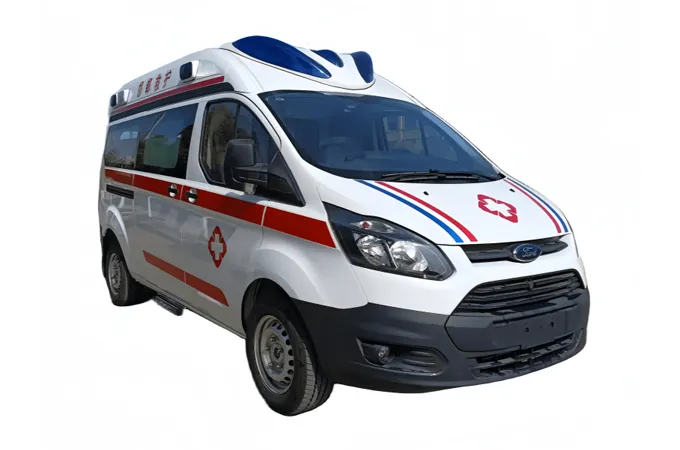
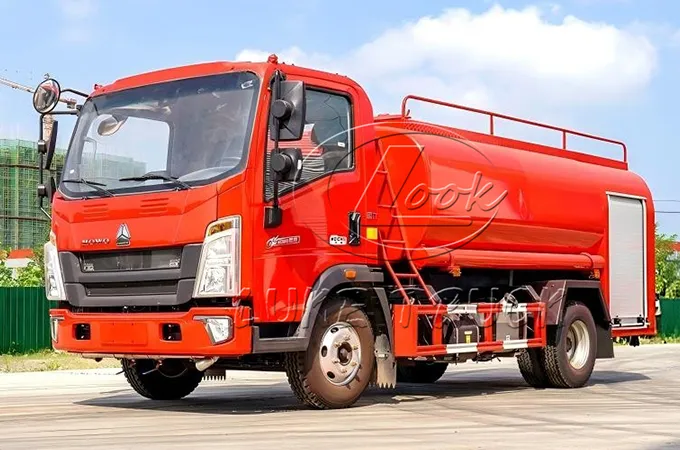
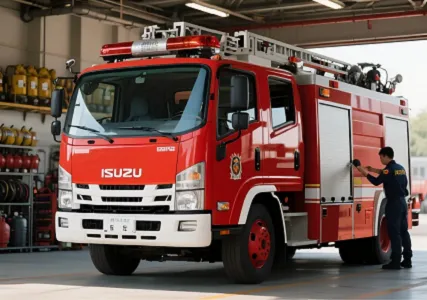
A rescue fire truck is a specialized emergency response vehicle designed to support rescue operations, accident response, and complex emergency situations where firefighting alone is not enough. Unlike standard fire trucks that mainly focus on fire suppression, rescue fire trucks are equipped with specialized rescue tools, storage compartments, lighting systems, and emergency equipment to help responders handle a wide range of incidents.
When selecting a rescue fire truck, buyers should focus on equipment configuration, compartment layout, chassis capability, rescue mission requirements, and future operational needs. The ideal vehicle depends on the type of emergencies an organization expects to handle, including traffic accidents, industrial incidents, building collapses, natural disasters, and urban rescue operations.
When Do You Need a Rescue Fire Truck?
A rescue fire truck is designed for organizations that require advanced rescue capability beyond traditional firefighting functions.
Common applications include:
Urban Emergency Response
Municipal fire departments often use rescue fire trucks for:
Vehicle accidents
Building emergencies
Confined space rescue
Structural incidents
Medical assistance
Urban rescue operations require vehicles that can carry a wide range of tools while remaining maneuverable on city roads.
Highway and Traffic Accident Rescue
Highway accidents frequently require specialized rescue equipment to safely remove trapped passengers.
A rescue fire truck may carry:
Hydraulic cutters
Spreaders
Rescue rams
Lifting equipment
Stabilization tools
These systems allow emergency teams to respond quickly to vehicle entrapment situations.
Industrial and Factory Emergencies
Manufacturing facilities, warehouses, and industrial plants may face complex incidents involving:
Machinery accidents
Heavy equipment failures
Chemical risks
Structural damage
A properly configured rescue fire truck provides the equipment needed for technical rescue operations.
Disaster Response Operations
Earthquakes, floods, storms, and other natural disasters often require specialized rescue capabilities.
For these scenarios, many organizations choose vehicles equipped with additional emergency supplies, rescue tools, and communication systems. A disaster response truck configuration can help emergency teams operate efficiently in challenging environments.
Key Equipment of a Rescue Fire Truck
The equipment carried by a rescue truck fire determines its operational capability.
Unlike a standard firefighting vehicle, rescue trucks are configured around tool transportation and rapid deployment.
Hydraulic Rescue Equipment
Hydraulic rescue tools are among the most important components for vehicle and structural rescue.
Typical equipment includes:
Hydraulic cutters
Hydraulic spreaders
Hydraulic rams
Power units
Hoses
These tools are commonly used for:
Vehicle extrication
Metal cutting
Structural rescue
Industrial accidents
Lifting and Stabilization Equipment
Many rescue operations require equipment to stabilize damaged structures or heavy objects.
Common tools include:
Lifting bags
Jacks
Winches
Stabilization struts
Chains
Proper storage and accessibility are important because rescue operations often require immediate deployment.
Medical and Emergency Equipment
Depending on operational requirements, rescue fire trucks may carry:
First aid supplies
Medical kits
Stretchers
Oxygen equipment
Emergency blankets
This allows rescue teams to provide immediate assistance before medical units arrive.
Lighting and Communication Systems
Emergency scenes often occur at night or in low-visibility environments.
Common vehicle equipment includes:
LED scene lighting
Warning lights
Search lights
Communication equipment
Control systems
These features improve responder safety and operational efficiency.
Rescue Fire Truck Compartments and Storage Design
Compartment layout is one of the most important factors when purchasing a rescue fire truck.
A well-designed storage system allows firefighters to quickly locate and deploy equipment during emergencies.
Side Equipment Compartments
Side compartments are commonly used for frequently accessed rescue tools.
Typical storage items include:
Hydraulic tools
Hand tools
Medical equipment
Fire hoses
Rear Equipment Compartments
Rear storage areas are usually designed for larger equipment.
Examples include:
Generators
Pumps
Ladders
Heavy rescue tools
Roof Storage
Some rescue fire trucks include roof-mounted storage for:
Ladders
Long rescue equipment
Additional tools
The design should balance equipment capacity with vehicle height limitations.
Conclusion
A rescue fire truck is designed for emergency situations where specialized rescue capability is required. From traffic accidents and industrial incidents to disaster response operations, these vehicles provide essential tools, storage capacity, and operational flexibility.
When choosing a rescue fire truck, buyers should focus on mission requirements, equipment configuration, compartment design, chassis capacity, and long-term support. The right vehicle should not only carry rescue equipment but also improve emergency response speed, safety, and effectiveness.
Frequently Asked Questions
1. What is a rescue fire truck used for?
A rescue fire truck is used for technical rescue operations, vehicle accidents, industrial emergencies, disaster response, and situations requiring specialized rescue equipment.
2. What equipment does a rescue fire truck carry?
Typical equipment includes hydraulic rescue tools, lifting equipment, stabilization systems, medical supplies, lighting systems, and communication equipment.
3. What is the difference between a rescue fire truck and a fire engine?
A rescue fire truck focuses on carrying rescue tools and supporting emergency extraction, while a fire engine primarily focuses on water supply and fire suppression.
4. Do rescue fire trucks carry water?
Some rescue fire trucks include water tanks and pumps, but their primary function is rescue rather than firefighting.
5. Which industries need rescue fire trucks?
Common users include municipalities, industrial plants, airports, highways, mining companies, and emergency response organizations.