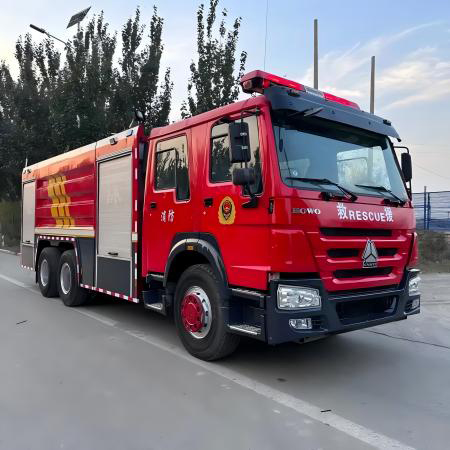
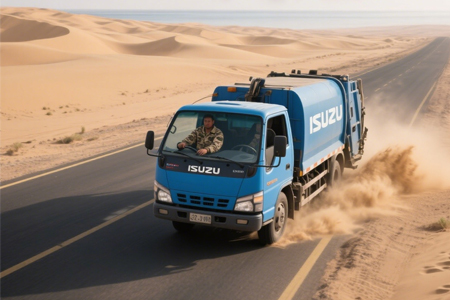
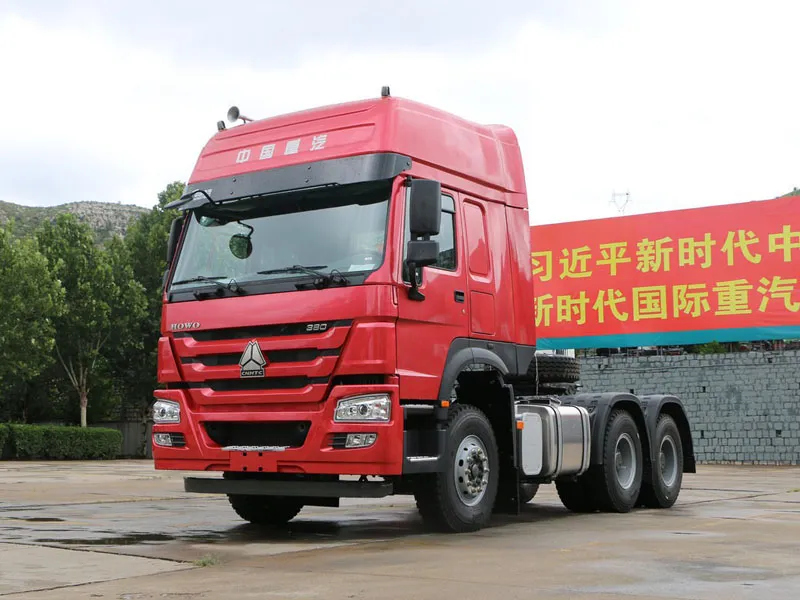
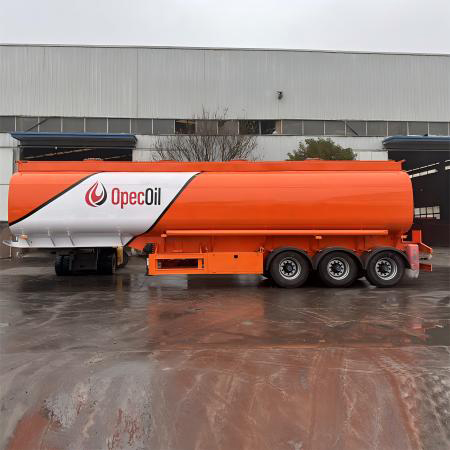
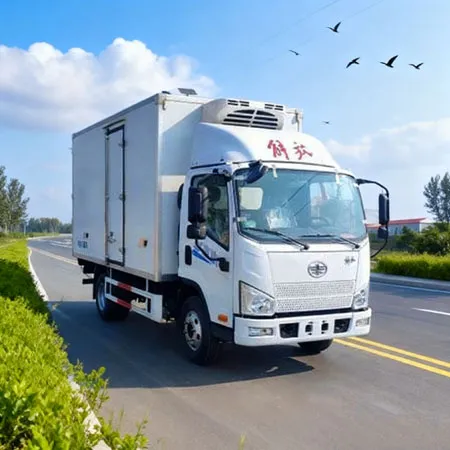
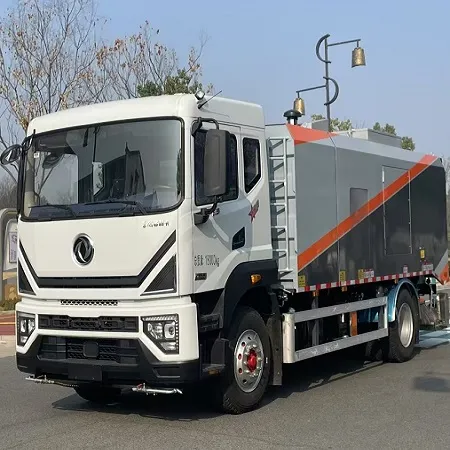
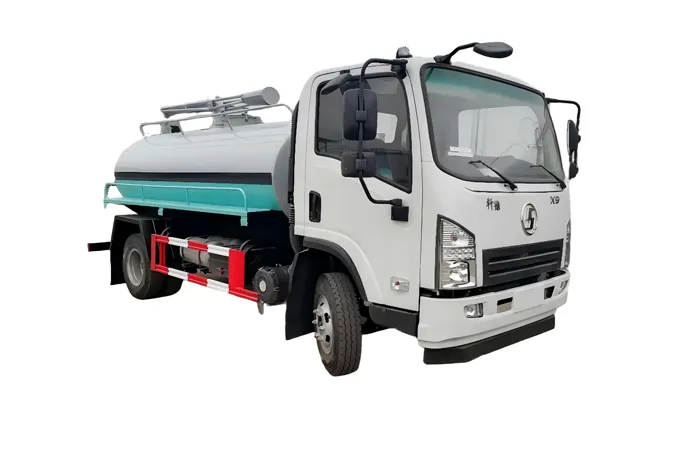
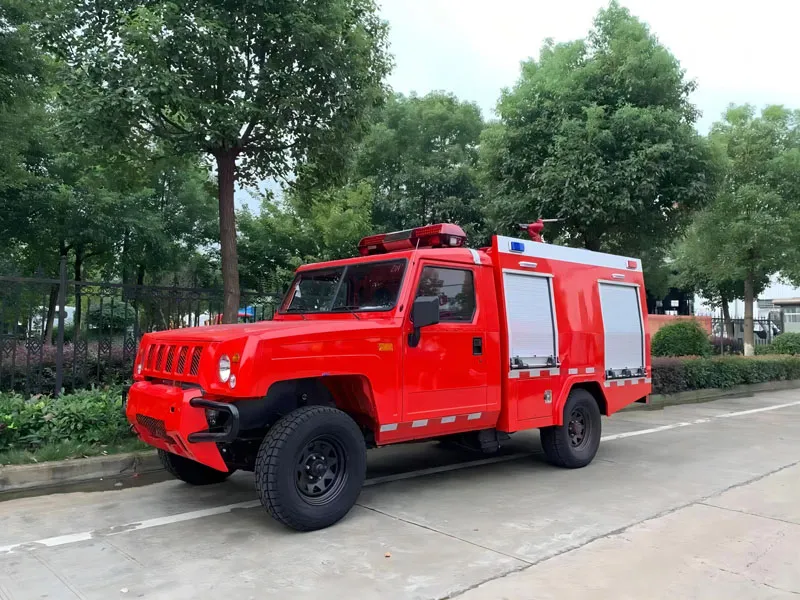
A typical fire truck can hold between 1,000 and 20,000 liters of water, depending on its size, chassis type, and intended application. Small urban fire trucks usually carry around 1,000–5,000 liters, while heavy-duty firefighting vehicles and water tanker trucks may carry 10,000 liters or more for industrial and remote firefighting operations.
Introduction
One of the most common questions buyers ask when selecting a fire truck is: How much water does a fire truck hold?
The answer depends on the vehicle type, chassis configuration, firefighting application, and operating environment. A compact urban fire truck may carry only a few thousand liters of water to maintain maneuverability, while a heavy-duty firefighting vehicle designed for industrial or remote areas may require a much larger tank capacity.
For fire departments, municipalities, industrial facilities, and emergency service providers, choosing the right water tank size is an important purchasing decision. A larger tank provides longer firefighting capability, but it also increases vehicle weight, affects driving performance, and may require a stronger chassis.
This guide explains common fire truck water tank capacities, what factors influence capacity selection, and how buyers can choose the right configuration for their firefighting needs.
Typical Fire Truck Water Tank Capacities
There is no universal water capacity for all fire trucks. Different vehicles are designed for different emergency scenarios.
Small Fire Trucks: 1,000–3,000 Liters
Small fire trucks are commonly used in:
Urban areas
Residential communities
Narrow streets
Industrial parks
Their main advantage is flexibility.
A smaller water tank allows:
These vehicles are often suitable as rapid-response firefighting units where external water sources such as hydrants are easily available.
Medium Fire Trucks: 3,000–8,000 Liters
Medium-capacity fire trucks represent one of the most common configurations worldwide.
They provide a balance between:
Water supply capability
Vehicle size
Operating cost
Mobility
Typical applications include:
For many buyers looking for fire trucks for sale, medium-capacity vehicles provide a practical solution because they can handle general firefighting while maintaining good driving performance.
Large Fire Trucks: 8,000–15,000+ Liters
Large-capacity fire trucks are designed for situations where water supply is limited or fire intensity is high.
Common applications include:
Oil and gas facilities
Mining areas
Airports
Large industrial sites
Rural regions
Advantages include:
Longer independent operation
Reduced dependence on hydrants
Ability to support extended firefighting operations
However, larger tanks require:
Stronger chassis
Higher engine power
Improved braking systems
Greater payload capacity
What Determines Fire Truck Water Capacity?
Choosing the correct tank size requires considering more than just the maximum possible water volume.
Several factors influence the ideal capacity.
1. Type of Fire Risk
The type of fire you need to deal with determines the types of fire truck required.
Urban Firefighting
Cities usually have:
Dense road networks
Nearby hydrant systems
Short response distances
Therefore, smaller tanks may be sufficient because additional water can be supplied quickly.
Industrial Fire Protection
Industrial facilities often face:
Larger fire areas
Flammable materials
Longer suppression times
These applications usually require larger water capacities or specialized foam systems.
Rural and Remote Areas
Remote regions may have:
Larger water tanks help firefighters maintain operations without frequent refilling.
2. Available Water Supply
The local water infrastructure directly affects tank selection.
If a fire department operates in an area with reliable hydrant coverage, a smaller tank may be acceptable.
However, if water sources are limited, buyers should consider:
The vehicle configuration should match the actual firefighting environment.
3. Chassis Capacity
The water tank is one of the heaviest components on a firefighting vehicle.
For example:
5,000 liters of water weighs approximately 5 tons.
10,000 liters of water weighs approximately 10 tons.
Therefore, increasing tank capacity requires careful consideration of:
Axle load
Suspension strength
Engine power
Brake performance
A larger tank does not always mean a better fire truck if the chassis cannot safely support the additional weight.
4. Fire Pump Requirements
Tank capacity and pump performance should be considered together.
A large water tank with an insufficient pump may not provide effective firefighting performance.
Buyers should evaluate:
Pump flow rate
Operating pressure
Water cannon performance
Hose system requirements
The complete firefighting system must work together.
Fire Truck Water Capacity Comparison
Different firefighting vehicles require different water capacities depending on their purpose.
| Fire Truck Type | Typical Water Capacity | Common Applications |
|---|
| Mini Fire Truck | 1,000–3,000 L | Communities, small factories, rapid response |
| Medium Fire Truck | 3,000–8,000 L | Municipal firefighting, commercial buildings |
| Heavy Fire Truck | 8,000–15,000+ L | Industrial areas, highways, rural regions |
| Water Tanker Fire Truck | 10,000–30,000+ L | Remote areas, large-scale fire support |
| Airport Fire Truck | Large capacity | Aircraft emergency response |
How to Choose the Right Fire Truck Water Capacity
Before purchasing a fire truck, buyers should answer several key questions.
What Type of Fires Will You Handle?
How Quickly Can You Refill Water?
What Chassis Configuration Do You Need?
Conclusion
The right water capacity is one of the most important decisions when selecting a fire truck, but bigger is not always better. The ideal tank size depends on firefighting risks, available water sources, operating environment, chassis capability, and future operational needs.
Small-capacity fire trucks provide excellent mobility for urban response, while larger vehicles offer extended firefighting capability for industrial and remote applications. By evaluating these factors before purchasing, buyers can choose a configuration that delivers reliable performance, efficient operation, and long-term value.
Frequently Asked Questions
1. How much water does a typical fire truck hold?
A typical fire truck holds between 1,000 and 15,000 liters of water, depending on the vehicle type and application. Large water tanker fire trucks may carry significantly more for industrial or remote firefighting operations.
2. What is the most common fire truck water tank size?
Many municipal fire trucks use water tanks ranging from 3,000 to 8,000 liters because this capacity provides a good balance between firefighting capability and vehicle maneuverability.
3. Do all fire trucks carry water?
No. Some fire trucks are designed mainly for rescue operations, aerial firefighting, or specialized applications and may carry limited water or no water tank at all.
4. Is a larger water tank always better?
Not necessarily. Larger tanks provide longer operation time but increase vehicle weight, fuel consumption, and operating limitations. The best capacity depends on the actual firefighting environment.