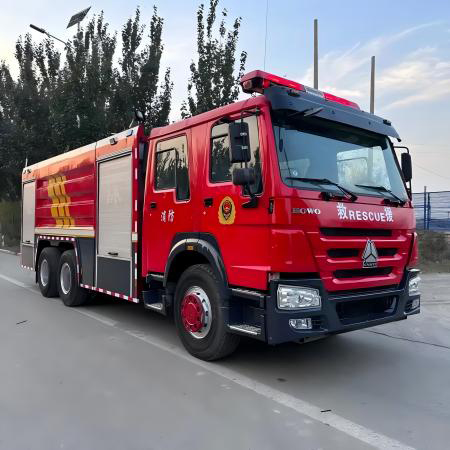
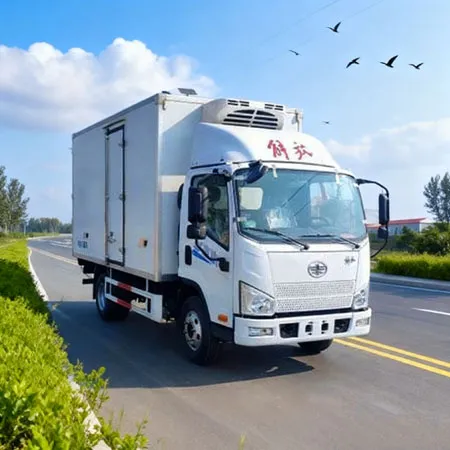
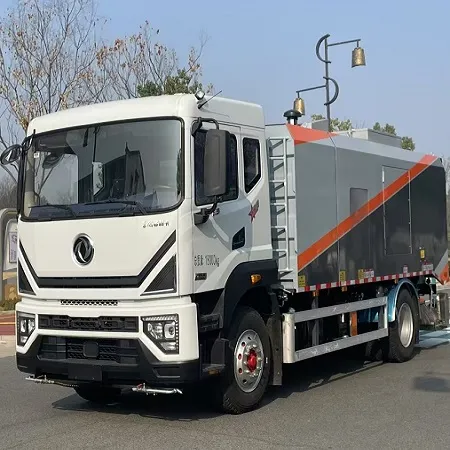
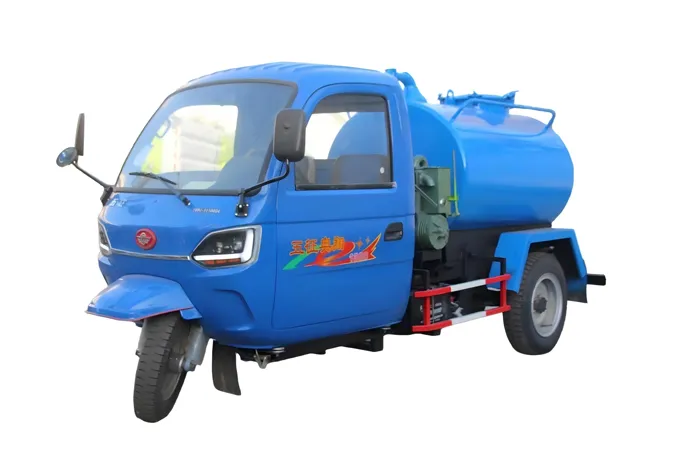
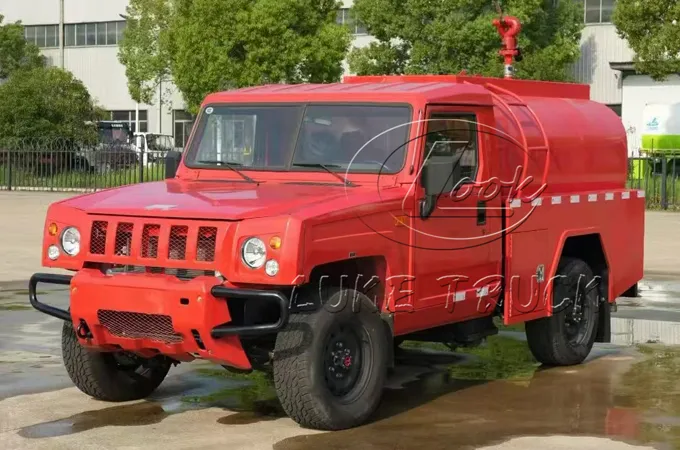
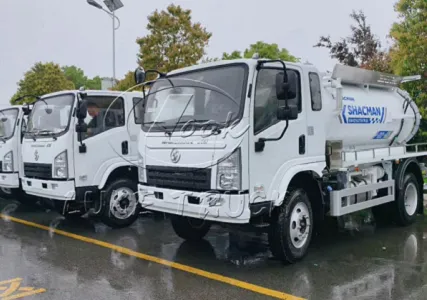
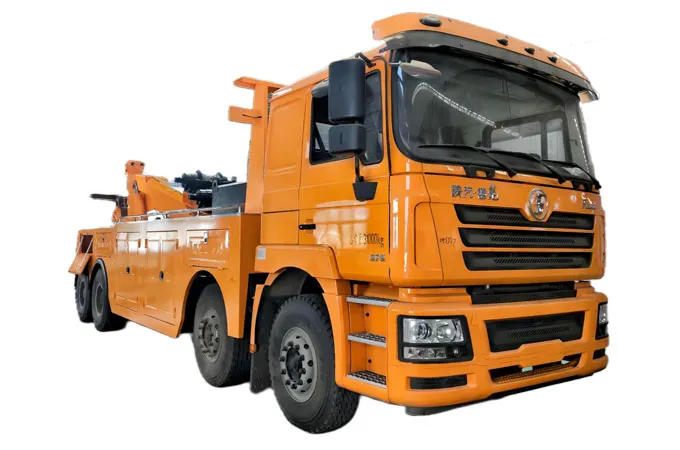
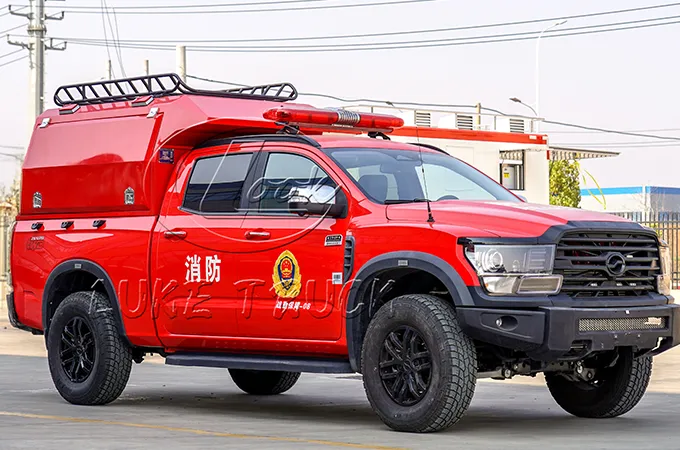
A small fire truck is the ideal choice for communities, factories, and locations with narrow roads where fast access and maneuverability are more important than maximum firefighting capacity. Compared with full-size fire trucks, small fire trucks are designed with compact dimensions, lower operating costs, and flexible configurations that allow emergency teams to reach areas where larger vehicles may struggle.
For many communities, industrial parks, villages, and private facilities, the biggest firefighting challenge is not only extinguishing the fire but reaching the fire location quickly. Narrow streets, limited turning space, and restricted internal roads can prevent conventional fire trucks from responding efficiently.
A properly configured small fire truck provides a practical balance between accessibility, firefighting capability, and operational cost.
Why Are Communities and Factories Choosing Small Fire Trucks?
The demand for small fire trucks has increased because many emergency response environments have unique access challenges.
Unlike large municipal fire trucks designed for major incidents, small fire trucks focus on rapid first response in restricted areas.
1. Better Access in Narrow Roads and Limited Spaces
One of the biggest advantages of a small fire truck is its ability to operate where larger vehicles cannot.
Typical operating environments include:
A compact wheelbase and smaller turning radius allow operators to:
For areas with complicated road layouts, accessibility can directly affect response time.
2. Faster First Response Capability
In many fire emergencies, the first few minutes are critical.
A small fire truck can provide immediate firefighting support before larger emergency vehicles arrive.
Typical first-response functions include:
Initial fire suppression
Water supply
Hose deployment
Emergency lighting
Basic rescue support
For factories and communities located far from professional fire stations, a small fire truck can significantly improve emergency preparedness.
3. Lower Operating and Maintenance Costs
Compared with larger firefighting vehicles, small fire trucks generally require:
This makes them attractive for:
Small municipalities
Private factories
Schools
Industrial parks
Rural organizations
For buyers managing their own emergency fleet, total ownership cost is an important factor.
How to Choose the Right Small Fire Truck Configuration
Selecting a small fire truck requires understanding the actual operating environment. When comparing different types of fire truck, buyers should first evaluate where and how the vehicle will be used rather than choosing based only on water tank size or vehicle price.
1. Consider Road Width and Vehicle Dimensions
For narrow-road applications, vehicle dimensions are often more important than engine power.
Buyers should evaluate:
Vehicle Width
A narrower body improves access through:
Residential streets
Factory corridors
Rural roads
Wheelbase
A shorter wheelbase provides:
Vehicle Height
Height limitations should be considered for:
Underground parking
Industrial buildings
Covered facilities
A compact design can determine whether the truck can reach the actual fire location.
2. Choose the Right Water Tank Capacity
Small fire trucks usually carry less water than standard fire trucks, but the correct capacity depends on the mission.
Typical options include:
500–1,000 Liter Tank
Suitable for:
Small communities
Patrol response
Quick initial attack
1,000–2,000 Liter Tank
Suitable for:
Factories
Industrial parks
Rural firefighting
2,000–4,000 Liter Tank
Suitable for:
A larger tank increases firefighting duration, but excessive capacity may reduce maneuverability. Buyers should balance water supply with vehicle accessibility.
3. Evaluate Pump Performance
A small fire truck still requires a reliable firefighting system.
Important pump specifications include:
The pump should match the expected firefighting tasks.
For example:
4. Select the Right Chassis Type
The chassis affects durability, payload capacity, and driving performance.
4×2 Small Fire Truck
Suitable for:
Urban roads
Factory areas
Industrial parks
Advantages:
Lower operating cost
Easy maintenance
Good road performance
4×4 Small Fire Truck
Recommended for:
Rural areas
Farms
Mountain roads
Uneven terrain
Advantages:
Choosing between 4×2 and 4×4 depends mainly on road conditions rather than firefighting requirements alone.
Recommended Small Fire Truck Configurations by Application
For Rural Communities
Recommended:
4×4 chassis
1,000–2,000L water tank
Hose reel system
Compact body design
Focus:
Quick response and access to remote locations.
For Factories and Industrial Parks
Recommended:
Focus:
Protecting production facilities and reducing emergency response time.
For Narrow Urban Areas
Recommended:
Focus:
Reaching locations where larger trucks cannot operate.
When Should You NOT Choose a Small Fire Truck?
Although small fire trucks offer excellent mobility, they are not suitable for every firefighting situation.
A larger specialized vehicle may be required for:
Large Industrial Fires
Facilities involving:
Petroleum products
Chemical materials
Large storage areas
may require:
Foam fire trucks
Heavy-duty fire trucks
Airport Emergency Response
Airports usually require dedicated airport firefighting vehicles with:
Large-Scale Disaster Operations
Major disasters may require:
The right vehicle depends on the expected emergency scenario.
Conclusion
A small fire truck is a practical firefighting solution for communities, factories, and locations where road access is limited. Its compact design allows faster response, easier operation, and lower ownership costs compared with larger firefighting vehicles.
Before purchasing, buyers should evaluate road conditions, required water capacity, pump performance, chassis configuration, and emergency response needs. Choosing the right configuration ensures that the vehicle can reach fire locations quickly while providing reliable firefighting capability.
Frequently Asked Questions
1. What is a small fire truck used for?
A small fire truck is used for rapid firefighting response in communities, factories, villages, industrial parks, and areas with narrow roads or limited access.
2. What is the advantage of a small fire truck?
The main advantages are compact size, better maneuverability, lower operating costs, and faster access to restricted areas.
3. How much water does a small fire truck carry?
Most small fire trucks carry between 500 and 4,000 liters of water depending on chassis size and application requirements.
4. Can a small fire truck be used in factories?
Yes. Small fire trucks are commonly used in factories and industrial parks because they can move easily through internal roads and provide rapid emergency response.