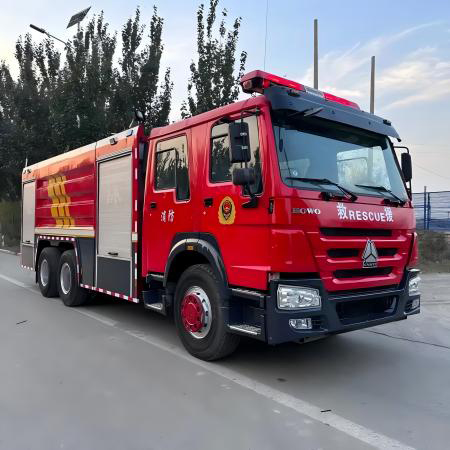
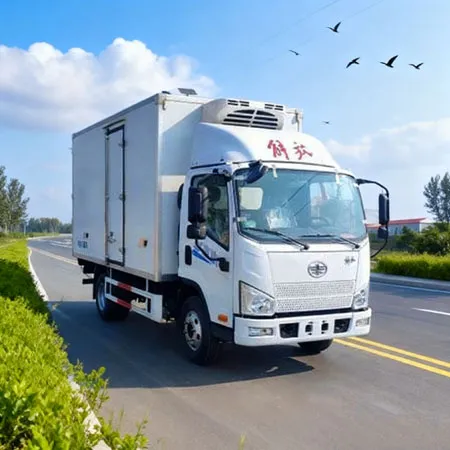
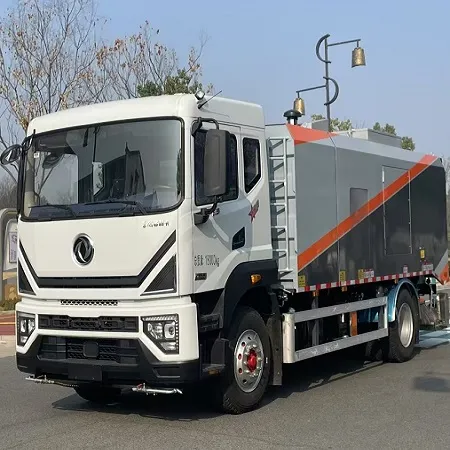
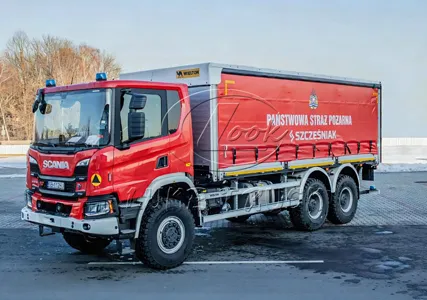
A brush fire truck is a specialized fire truck designed for fighting grass, brush, forest, and wildland fires in rural or off-road environments where conventional municipal fire trucks have limited access. Unlike standard urban firefighting vehicles, a brush fire truck is built with higher ground clearance, improved off-road capability, compact dimensions, and firefighting equipment optimized for rapid deployment in difficult terrain.
For buyers, choosing the right brush fire truck is less about purchasing the largest vehicle and more about selecting a configuration that matches the operating environment. Factors such as terrain, water supply, fire frequency, and crew size all influence which brush fire truck will deliver the best performance in the field.
When Do You Need a Brush Fire Truck?
Not every firefighting organization requires a brush fire truck. However, it becomes an essential asset whenever emergency response extends beyond paved roads or urban areas.
Typical buyers include:
Rural Fire Departments
Volunteer and municipal fire departments serving rural communities often respond to grass fires, crop fires, woodland fires, and agricultural emergencies where off-road capability is essential.
Forestry Agencies
Forestry departments require brush fire trucks capable of navigating forest roads, mountain trails, and conservation areas while carrying sufficient water for initial fire suppression.
Farms and Ranches
Large agricultural operations frequently invest in brush fire trucks to protect crops, livestock, storage facilities, and equipment during dry seasons.
Mining and Energy Companies
Mining sites, oil fields, wind farms, and utility companies operate in remote locations where specialized firefighting vehicles improve emergency preparedness.
National Parks and Nature Reserves
Park management agencies often use brush fire trucks for wildfire patrol, rapid response, and environmental protection in areas where larger firefighting vehicles cannot easily travel.
Key Features to Compare Before Buying a Brush Fire Truck
Choosing a brush fire truck involves evaluating several technical specifications. The right combination of chassis, water capacity, and firefighting equipment will determine how effectively the vehicle performs in real-world conditions.
Chassis Configuration
The chassis forms the foundation of the vehicle and directly affects mobility, payload capacity, and durability.
4×4 Brush Fire Truck
A 4×4 configuration is ideal for:
Narrow forestry roads
Grassland firefighting
Mountain villages
Agricultural properties
National parks
Advantages include excellent maneuverability, lower operating costs, and easier maintenance.
6×6 Brush Fire Truck
A 6×6 chassis is recommended when operations require:
Larger water tanks
Steeper terrain
Loose or muddy ground
Extended off-road travel
The additional driven axle improves traction and stability while carrying heavier firefighting equipment.
Choosing the Right Water Tank Capacity
Water capacity should match the expected response time and availability of refill sources.
| Water Tank Capacity | Recommended Application |
|---|
| 500–1,000 L | Patrol vehicles and rapid initial attack |
| 1,500–2,000 L | Rural community firefighting |
| 2,500–3,000 L | Forestry operations |
| 3,000–5,000 L | Large-scale wildland firefighting |
Fire Pump Performance
A brush fire truck relies on a dependable pump to deliver water quickly and efficiently.
Key specifications to compare include:
High-pressure pumps are commonly used because they produce effective fire suppression while conserving water—an important advantage in remote areas where refill opportunities may be limited.
Hose Reel and Spray Systems
Brush fire trucks often feature hose reels that allow firefighters to begin suppression immediately without deploying long hose lines.
Depending on operational requirements, buyers may choose vehicles equipped with:
The appropriate configuration depends on the terrain and firefighting strategy.
Ground Clearance and Off-Road Performance
Off-road performance is one of the defining characteristics of a brush fire truck.
Higher ground clearance helps the vehicle safely travel over:
Rocky trails
Uneven forest roads
Deep ruts
Muddy terrain
Agricultural fields
Heavy-duty suspension systems also improve stability when the water tank is fully loaded.
Equipment Storage and Crew Accessibility
Brush fire trucks should provide practical storage for essential firefighting tools while allowing firefighters to access equipment quickly.
Typical equipment includes:
Portable pumps
Hose fittings
Axes
Chainsaws
Fire beaters
Backpack sprayers
Medical kits
Emergency lighting
Well-designed storage compartments improve operational efficiency and reduce response time.
How to Choose the Right Brush Fire Truck for Different Applications
Different environments require different vehicle configurations.
Mountain and Forest Areas
Recommended configuration:
This combination provides excellent mobility on narrow forest roads and steep terrain.
Grassland and Agricultural Operations
Recommended configuration:
4×4 or 6×6 chassis
2,000–3,000 L water tank
Hose reel system
Front spray nozzles
These vehicles balance water capacity with maneuverability across open fields and farmland.
Large Forestry Projects
For extensive forestry operations, buyers should consider:
This configuration supports longer firefighting operations in remote locations.
Industrial and Mining Sites
Industrial facilities often require additional equipment beyond basic wildfire suppression. For organizations that must also prepare for broader multi-hazard emergencies, a dedicated disaster truck may be deployed alongside the brush fire truck as part of a more comprehensive emergency-response fleet.
Suitable configurations may include:
Working with an experienced fire truck manufacturer allows buyers to configure the vehicle according to specific operational risks.
Conclusion
A brush fire truck is an essential firefighting vehicle for organizations operating in forests, grasslands, farms, and other rural environments. The ideal vehicle combines reliable off-road performance, appropriate water capacity, efficient firefighting equipment, and a chassis capable of handling demanding terrain.
Before making a purchase, buyers should carefully evaluate operating conditions, response requirements, crew size, and long-term maintenance support. Selecting the right configuration will improve firefighting efficiency, enhance vehicle reliability, and provide greater value throughout the truck's service life.
Frequently Asked Questions
1. What is a brush fire truck?
A brush fire truck is a specialized firefighting vehicle designed for grass, brush, forest, and wildland fire suppression in rural and off-road environments.
2. How is a brush fire truck different from a municipal fire truck?
Brush fire trucks prioritize off-road capability, compact dimensions, and mobility, while municipal fire trucks are designed primarily for structural firefighting in urban areas.
3. What drivetrain is best for a brush fire truck?
A 4×4 drivetrain is suitable for most rural applications, while a 6×6 configuration provides greater traction and payload capacity for more demanding terrain.
4. How much water should a brush fire truck carry?
Typical capacities range from 500 to 5,000 liters, depending on terrain, expected fire duration, and water refill availability.
5. Can a brush fire truck be equipped with a foam system?
Yes. Foam systems are available for applications involving fuel storage, industrial facilities, or areas with increased fire risk.
6. Which organizations commonly purchase brush fire trucks?
Forestry departments, rural fire services, municipalities, farms, mining companies, utility providers, and national parks are among the most common buyers.