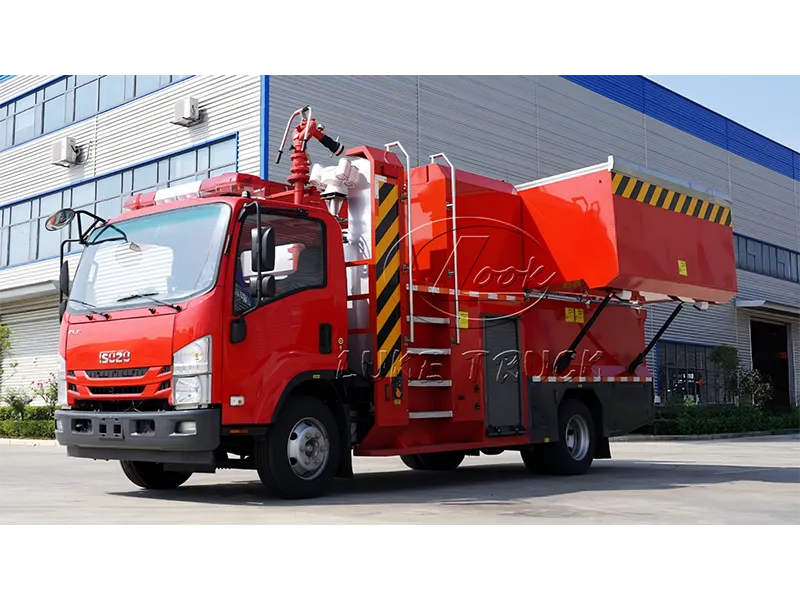
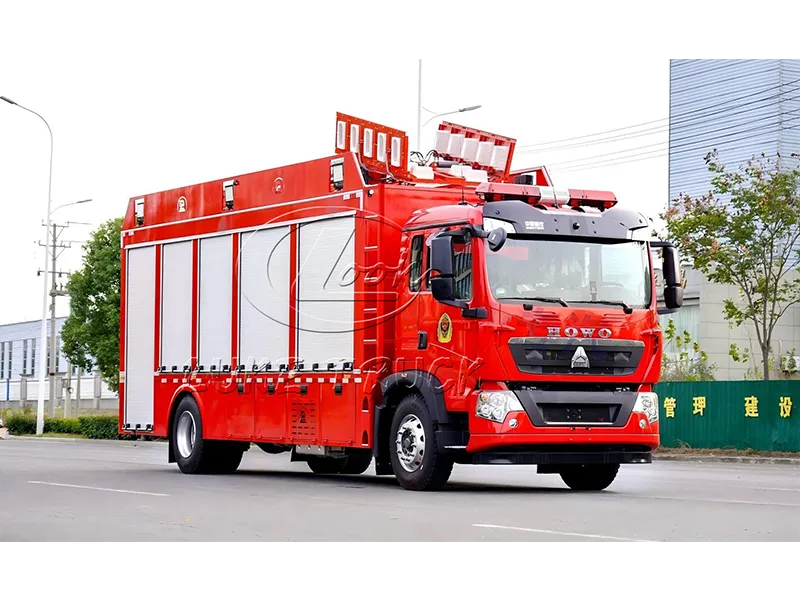
Choosing the right wrecker tow truck for a roadside assistance fleet requires evaluating the types of vehicles you recover, towing capacity, recovery equipment, chassis reliability, and long-term operating costs. A properly configured recovery vehicle improves response times, enhances safety, reduces maintenance expenses, and helps fleet operators deliver reliable roadside assistance services.
Introduction
Roadside assistance providers operate in an industry where every minute matters. Whether responding to vehicle breakdowns, traffic accidents, or emergency recovery requests, fleet operators need reliable equipment capable of handling a wide range of situations safely and efficiently.
For companies planning to expand or upgrade their fleets, choosing the right wrecker tow truck is one of the most important investment decisions. A recovery vehicle is expected to perform consistently under demanding conditions while minimizing downtime and maintenance costs.
However, not all recovery trucks are designed for the same applications. Some fleets primarily recover passenger vehicles in urban areas, while others provide highway rescue services for buses, tractor units, and commercial trucks. Purchasing equipment that does not match daily operating requirements can reduce productivity and increase operating expenses.
This guide explains the key factors fleet managers should consider when evaluating wrecker tow trucks, helping buyers choose recovery vehicles that deliver long-term value, operational efficiency, and dependable roadside assistance performance.
Understand Your Daily Recovery Tasks
Before comparing different wrecker tow trucks, fleet managers should analyze the types of recovery jobs their business performs most frequently.
The vehicles you recover every day determine the lifting capacity, recovery equipment, and chassis configuration required.
| Recovery Task | Recommended Recovery Vehicle |
|---|
| Passenger Cars | Light-Duty Wrecker Tow Truck |
| SUVs and Pickup Trucks | Light to Medium Duty |
| Delivery Vans | Medium-Duty Wrecker |
| City Buses | Heavy-Duty Wrecker |
| Tractor Units | Heavy-Duty Recovery Truck |
| Construction Equipment | Heavy-Duty Wrecker with Crane |
Choose the Right Towing Capacity
One of the most common mistakes buyers make is selecting a recovery truck based only on its advertised maximum towing capacity.
In reality, fleet operators should calculate towing requirements using actual operating data.
Consider the following questions:
What is the average weight of the vehicles you recover?
How often do you recover heavy commercial vehicles?
Do you expect your business to expand into new recovery services?
Will your trucks operate on highways, mountain roads, or construction sites?
Instead of purchasing the largest available model, choose a wrecker tow truck that provides sufficient capacity with an appropriate safety margin.
A simple planning approach is:
Required Capacity = Average Recovery Weight + Safety Margin + Future Business Growth
Compare Recovery Equipment
Recovery equipment has a direct impact on operational efficiency. Different roadside assistance scenarios require different hydraulic systems and lifting mechanisms.
| Recovery Equipment | Primary Function | Typical Application |
|---|
| Hydraulic Winch | Pull disabled vehicles | Accident recovery |
| Wheel Lift | Lift passenger vehicles | Urban roadside assistance |
| Underlift | Lift commercial vehicle axles | Truck recovery |
| Recovery Boom | Recover overturned vehicles | Highway rescue |
| Hydraulic Crane | Lift heavy machinery | Industrial recovery |
| Dual Winches | High-capacity pulling | Heavy-duty rescue |
Select a Reliable Chassis
The chassis forms the foundation of every recovery vehicle.
Even the most advanced hydraulic recovery equipment depends on a durable, reliable truck platform.
When evaluating chassis options, consider factors such as:
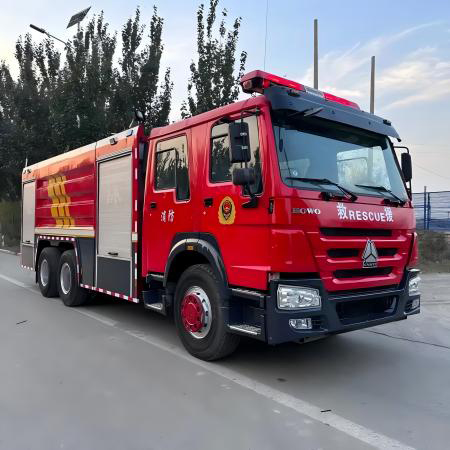
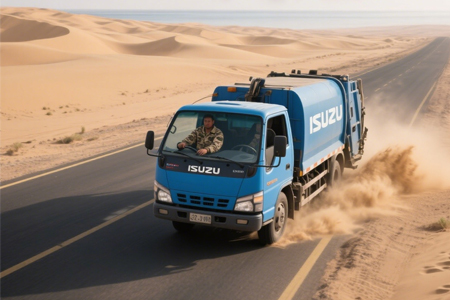
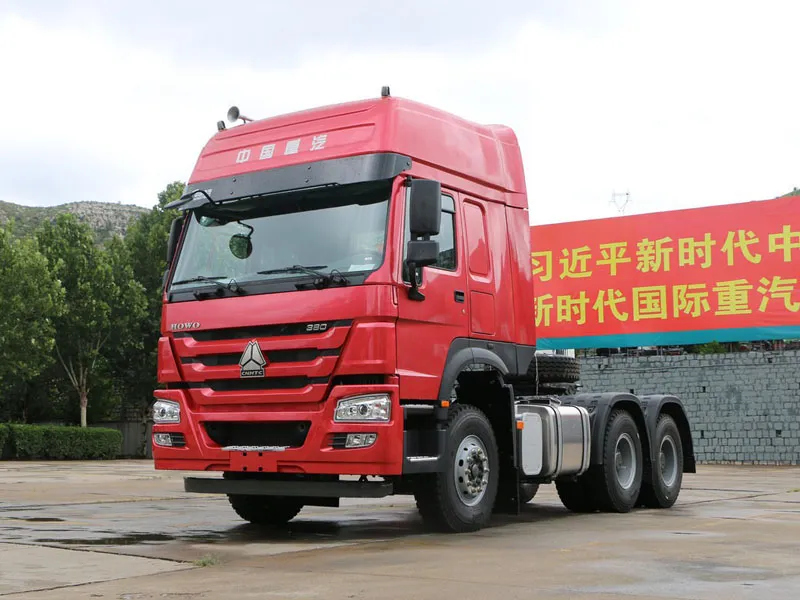
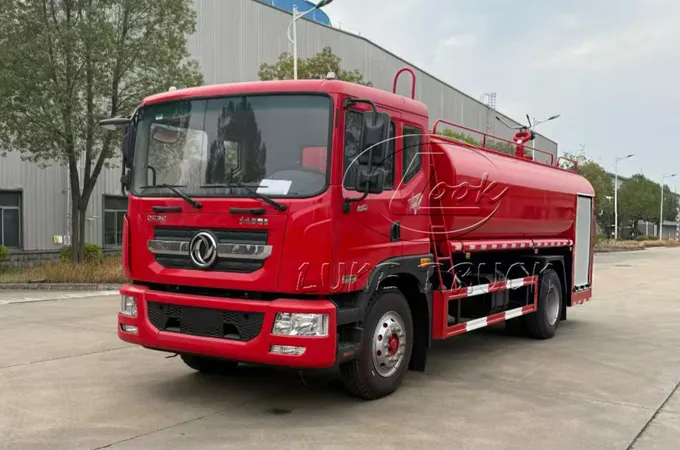
Popular export chassis brands for wrecker tow trucks include Sinotruk, Shacman, Dongfeng, Foton, and Isuzu. Among them, Sinotruk is widely recognized for producing reliable heavy-duty commercial vehicle chassis that are also commonly used for specialized vehicles such as sinotruk fire trucks.
Many fleet operators choose to standardize chassis brands across their recovery fleet. Using the same platform simplifies driver training, reduces spare parts inventory, and lowers maintenance costs over the vehicle's service life.
Fleet Standardization Can Reduce Operating Costs
As roadside assistance companies expand, managing multiple truck brands and configurations becomes increasingly complex.
Standardizing recovery vehicles offers several operational benefits:
Easier technician training
Lower spare parts inventory
Simplified maintenance scheduling
Consistent driver experience
Improved fleet management efficiency
Although purchasing different truck models may appear to provide flexibility, maintaining a consistent fleet often results in lower operating costs and improved long-term reliability.
For growing roadside assistance providers, fleet standardization is an important strategy for maximizing return on investment while maintaining high service quality.
Why Choose Luke Truck for Your Roadside Assistance Fleet?
When investing in a fleet of recovery vehicles, selecting the right manufacturer is just as important as choosing the right specifications.
Luke Truck provides customized wrecker tow truck solutions designed for international customers, combining reliable commercial truck chassis with professionally engineered recovery equipment.
Advantages include:
Multiple chassis options, including Sinotruk, Shacman, Dongfeng, Foton, and Isuzu
Custom hydraulic recovery systems
Flexible towing and lifting capacities
Professional export documentation
Quality inspection before shipment
Technical support and after-sales assistance
Experience serving customers in multiple international markets
Whether you are purchasing a single recovery vehicle or expanding an entire roadside assistance fleet, customized solutions help improve operational efficiency while reducing long-term ownership costs.
Conclusion
Choosing the right wrecker tow truck for a roadside assistance fleet involves much more than comparing towing capacities or purchase prices. Fleet managers should evaluate daily recovery tasks, operating environments, recovery equipment, chassis reliability, and future business plans before making a purchasing decision.
A properly configured recovery vehicle improves response times, enhances operator safety, reduces maintenance costs, and increases overall fleet productivity. By selecting equipment that matches real-world recovery requirements and working with an experienced manufacturer capable of providing customized solutions, businesses can build a dependable fleet prepared to handle a wide range of roadside assistance scenarios.
As demand for professional recovery services continues to grow worldwide, investing in the right wrecker tow truck today helps position your business for long-term success.
Frequently Asked Questions
1.What is the best wrecker tow truck for roadside assistance?
The best option depends on your business. Light-duty models are ideal for passenger vehicles, while heavy-duty recovery trucks are better suited for buses, tractor units, and commercial fleets.
2.Which recovery equipment is most important?
Hydraulic winches, underlift systems, wheel lifts, and recovery booms are the most commonly used components. The ideal combination depends on your daily recovery operations.
3. Should roadside assistance fleets standardize their recovery trucks?
Yes. Standardizing chassis, engines, and recovery equipment simplifies maintenance, reduces spare parts inventory, improves driver familiarity, and lowers operating costs.
4. How much towing capacity do I need?
Your required capacity should exceed the average weight of the vehicles you recover while allowing additional capacity for future business growth and safety margins.