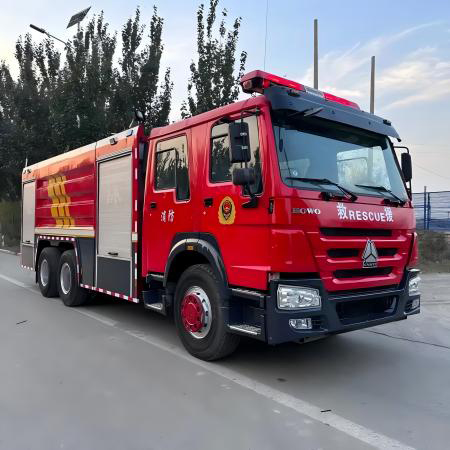
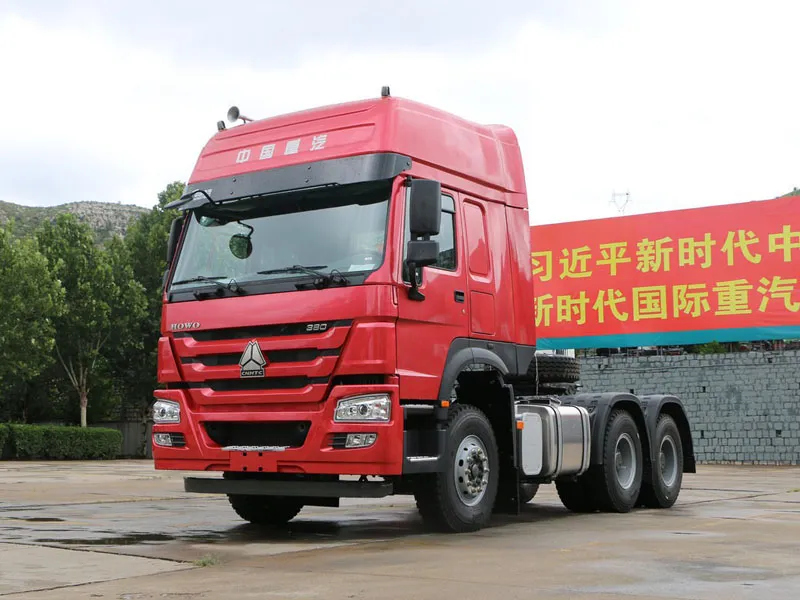
The price of a wrecker truck depends on several factors, including towing capacity, chassis brand, recovery equipment, hydraulic systems, customization, and export requirements. Rather than focusing only on the purchase price, buyers should evaluate the truck's long-term value, operating efficiency, and maintenance costs.
Introduction
The cost of a wrecker truck is influenced by much more than its size. Factors such as towing capacity, recovery equipment, chassis selection, and customization all play an important role in determining the final price.
If you're comparing different wrecker truck models, you've probably noticed that prices can vary significantly—even between vehicles that appear similar at first glance. That's because recovery trucks are often built to meet different operational needs rather than following a one-size-fits-all design.
For towing companies, fleet operators, distributors, and international buyers, understanding what drives the cost of a wrecker truck is essential before making a purchasing decision. This guide explains the key factors that influence pricing, highlights common buying mistakes, and offers practical advice to help you choose a recovery vehicle that delivers the best long-term value.
What Determines the Price of a Wrecker Truck?
A wrecker truck is made up of multiple systems, and each one contributes to the final cost. While two trucks may look similar on the outside, differences in components, performance, and configuration can create a noticeable price gap.
The following are the main factors buyers should evaluate.
1. Towing Capacity
Towing capacity is one of the biggest factors affecting price.
A light-duty wrecker designed for passenger vehicles generally costs less than a heavy-duty model capable of recovering trucks, buses, or construction equipment.
As towing capacity increases, manufacturers typically need to upgrade the chassis, boom, winch, and hydraulic systems, which also increases production costs.
2. Chassis Brand and Configuration
The chassis forms the foundation of the entire recovery vehicle.
Depending on the target market, buyers may choose from brands such as:
Sinotruk
Shacman
Dongfeng
Foton
Isuzu
Different chassis brands offer varying levels of engine performance, payload capacity, fuel efficiency, and service support. Premium chassis usually increase the purchase price but may reduce maintenance costs over the vehicle's lifetime.
3. Recovery Equipment
The recovery system is another major cost component.
Common equipment includes:
Hydraulic booms
Wheel lifts
Winches
Outriggers
Towing forks
Higher-capacity equipment allows the truck to recover larger or more challenging vehicles, but it also increases manufacturing costs.
4. Hydraulic System Quality
The hydraulic system powers lifting, pulling, and boom operations.
A high-quality hydraulic system offers:
Although premium hydraulic components increase the initial investment, they often improve reliability and reduce downtime.
Price Comparison by Wrecker Truck Type
The type of wrecker truck has a significant impact on its overall cost. As recovery capability increases, so do the requirements for chassis strength, hydraulic systems, and recovery equipment.
| Wrecker Truck Type | Typical Configuration | Relative Cost | Best For |
|---|
| Light-Duty | Wheel lift, standard winch | Lower | Passenger cars and roadside assistance |
| Medium-Duty | Larger boom and stronger hydraulic system | Medium | Vans, pickups, and commercial vehicles |
| Heavy-Duty | Heavy-duty boom, high-capacity winch, reinforced chassis | Higher | Trucks, buses, and construction equipment |
| Customized Wrecker Truck | Tailored recovery equipment and optional crane | Varies | Specialized recovery businesses |
Does Customization Increase the Price?
Yes. In most cases, customization increases the purchase price, but it also ensures the truck is better suited to your business.
Many towing companies have different operational requirements based on local regulations, vehicle types, and service scope. A standard configuration may not always provide the best solution.
Common customization options include:
Different chassis brands
Higher-capacity winches
Extended boom lengths
Crane installation
LED warning systems
Additional tool storage
Remote control operation
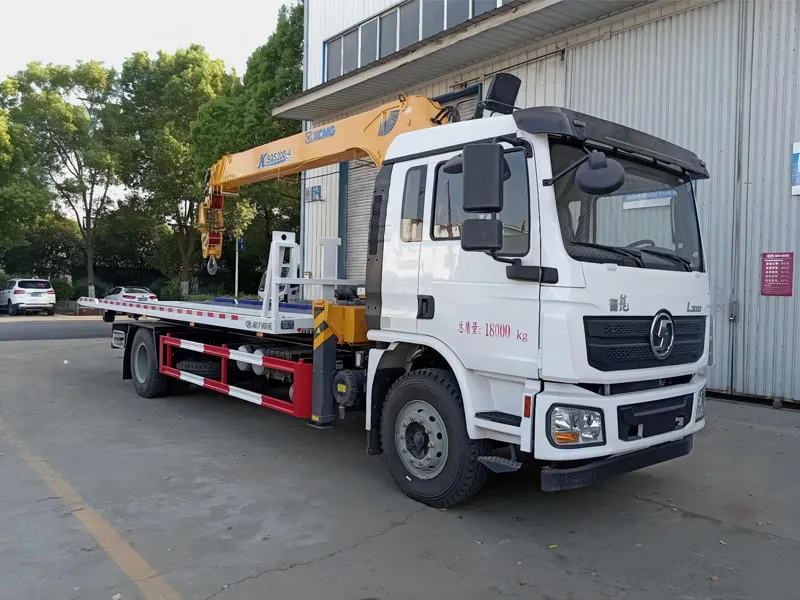
Businesses that frequently handle accident recovery or heavy commercial vehicles may also consider a Shacman Wrecker Truck with Crane, which combines towing and lifting functions in a single vehicle.
Price vs. Long-Term Value
A lower purchase price does not always result in lower operating costs.
For example, a truck equipped with lower-quality hydraulic components may cost less initially but require more frequent repairs and longer downtime. Similarly, choosing a chassis with limited service support can increase maintenance expenses over time.
When evaluating different suppliers, consider the total cost of ownership (TCO) rather than just the purchase price. Key factors include:
Fuel efficiency
Maintenance frequency
Spare parts availability
Equipment durability
Resale value
For companies that use recovery vehicles every day, these long-term costs often have a greater impact than the initial purchase price.
Conclusion
The price of a wrecker truck is determined by a combination of factors, including towing capacity, chassis selection, recovery equipment, hydraulic systems, and customization. While lower-priced models may seem attractive, they are not always the most cost-effective choice over the vehicle's lifetime.
Instead of focusing only on the purchase price, buyers should evaluate the truck's performance, durability, operating costs, and after-sales support. A well-matched recovery vehicle can improve efficiency, reduce downtime, and deliver greater long-term value.
If you're looking for a reliable wrecker truck for sale, working with an experienced manufacturer like Luke Truck can help you select a solution that fits both your operational requirements and your budget.
FAQs
1. How much does a wrecker truck cost?
The price depends on factors such as towing capacity, chassis brand, recovery equipment, hydraulic systems, and customization requirements.
2. What has the biggest impact on wrecker truck pricing?
The main cost factors are towing capacity, chassis configuration, hydraulic components, winch capacity, and optional recovery equipment.
3. Does a heavier-duty wrecker truck always cost more?
Generally, yes. Heavy-duty models require stronger chassis, larger hydraulic systems, and more powerful recovery equipment.
4. Is a customized wrecker truck worth the extra cost?
If your business has specific recovery requirements, customization can improve efficiency and reduce operational limitations, making it a worthwhile investment.
5. What should I ask before requesting a quotation?
Prepare information about the types of vehicles you recover, required towing capacity, preferred chassis, destination market, and any customization needs.