The global garbage truck market is undergoing significant transformation as cities expand, environmental regulations tighten, and municipalities invest in smarter waste collection systems. Efficient waste management has become a critical part of urban infrastructure, creating strong demand for modern garbage trucks that can improve collection efficiency while reducing operating costs.
For municipal authorities, waste management companies, and fleet operators, understanding the latest market trends can help guide future purchasing decisions and fleet modernization strategies.
Garbage Truck Market Growth Is Driven by Urbanization and Waste Generation
One of the primary drivers of the garbage truck market is the steady growth of urban populations. As cities become larger and more densely populated, the volume of residential, commercial, and industrial waste continues to increase.
Several factors are contributing to market growth:
Rapid urban development
Rising municipal waste generation
Expansion of waste collection services
Government investments in sanitation infrastructure
Increasing environmental awareness
Many cities are upgrading their sanitation truck fleets to improve operational efficiency and support long-term sustainability goals.
Garbage Truck Market Demand Is Influenced by Different Garbage Truck Types
The diversity of waste collection requirements has created demand for various garbage truck types, each designed for specific applications.
The most common categories include:
| Garbage Truck Type | Primary Application |
| Rear Loader Garbage Truck | Residential waste collection |
| Front Loader Garbage Truck | Commercial and industrial waste |
| Side Loader Garbage Truck | Automated curbside collection |
| Compactor Garbage Truck | High-volume waste transportation |
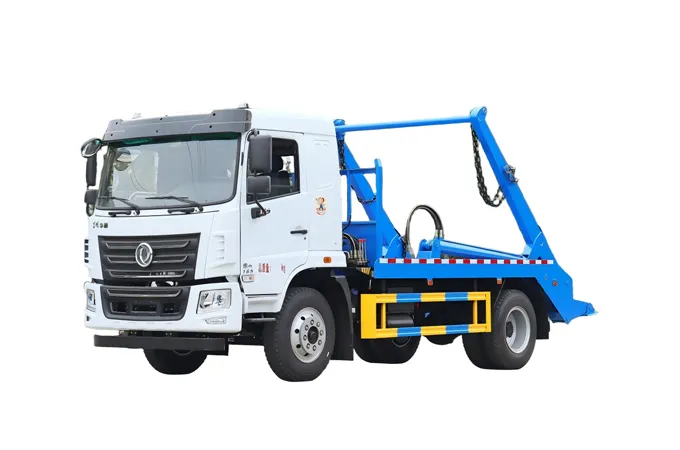
| Hook Lift Garbage Truck | Construction and industrial waste |
Understanding these garbage truck types is important for buyers because selecting the right vehicle directly affects collection efficiency, labor requirements, and operational costs.
Garbage Truck Market Trends: Automation and Fleet Efficiency
The modern garbage truck market is increasingly focused on technology-driven improvements.
Smarter Waste Collection Systems
Many fleet operators are investing in technologies such as:
These solutions help reduce fuel consumption, improve route planning, and increase productivity.
Automated Collection Equipment
Automation is becoming a major trend in waste management.
Benefits include:
As municipalities seek to improve service efficiency, automated collection systems are becoming more attractive.
Garbage Truck Market Trends: Growing Interest in Alternative Energy Vehicles
Environmental regulations are encouraging fleet operators to explore cleaner transportation solutions.
As a result, the garbage truck market is seeing increased interest in:
Although conventional diesel-powered vehicles still dominate many regions, alternative-fuel models are gaining market share as charging and fueling infrastructure improves.
For cities pursuing carbon reduction targets, cleaner waste collection vehicles may become an increasingly important procurement priority.
Garbage Truck Market Opportunities for Dongfeng Garbage Truck and Other Manufacturers
The competitive landscape of the garbage truck market includes both international and regional vehicle manufacturers.
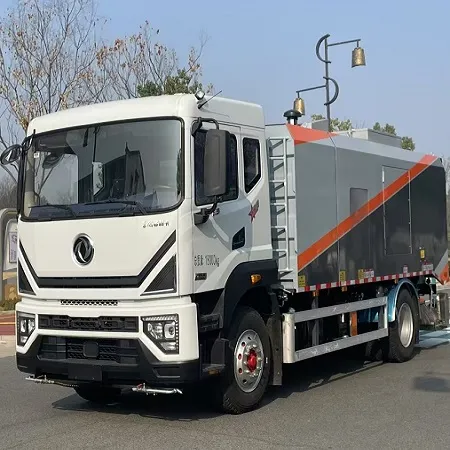
Among commercial vehicle brands, the Dongfeng garbage truck has gained attention in various export markets due to its combination of affordability, adaptability, and wide range of waste collection configurations. As demand for specialized waste management vehicles continues to grow, Dongfeng trucks are increasingly being considered by fleet operators seeking reliable and cost-effective solutions.
Many buyers evaluating waste management fleets prioritize:
Vehicle reliability
Maintenance costs
Spare parts availability
Payload capacity
Customization options
Manufacturers that can deliver strong after-sales support and flexible vehicle configurations are likely to remain competitive as market demand evolves.
What the Future Holds for the Garbage Truck Market
The future of the garbage truck market will largely be shaped by urban growth, environmental policies, and advancements in waste management technology.
Fleet operators are increasingly focusing on total lifecycle costs rather than initial purchase price alone. As a result, factors such as fuel efficiency, automation, maintenance requirements, and long-term reliability are becoming key purchasing considerations.
With global waste generation expected to continue rising, demand for modern and efficient garbage truck solutions is likely to remain strong across both developed and emerging markets.
FAQs about Garbage Trucks
1. What is driving growth in the garbage truck market?
Urbanization, increasing waste generation, government sanitation investments, and environmental regulations are the main growth drivers.
2. What are the most common garbage truck types?
The most common garbage truck types include rear loaders, front loaders, side loaders, compactor trucks, and hook lift trucks.
3. Why is automation important in the garbage truck market?
Automation improves collection efficiency, enhances worker safety, reduces labor costs, and helps optimize fleet operations.
4. Are electric garbage trucks becoming more popular?
Yes. Many municipalities are exploring electric and alternative-fuel garbage trucks to support sustainability and emissions reduction goals.
5. What should buyers consider when purchasing a garbage truck?
Important factors include waste collection requirements, payload capacity, fuel efficiency, maintenance support, vehicle durability, and available technology features.