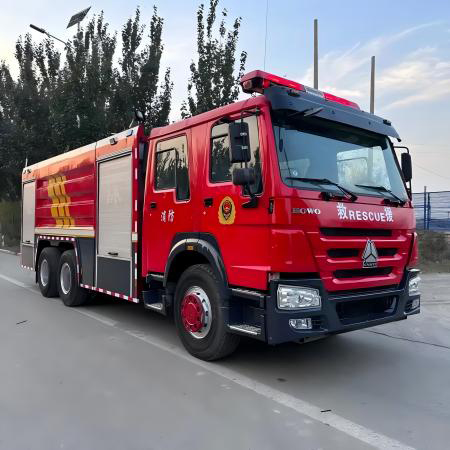
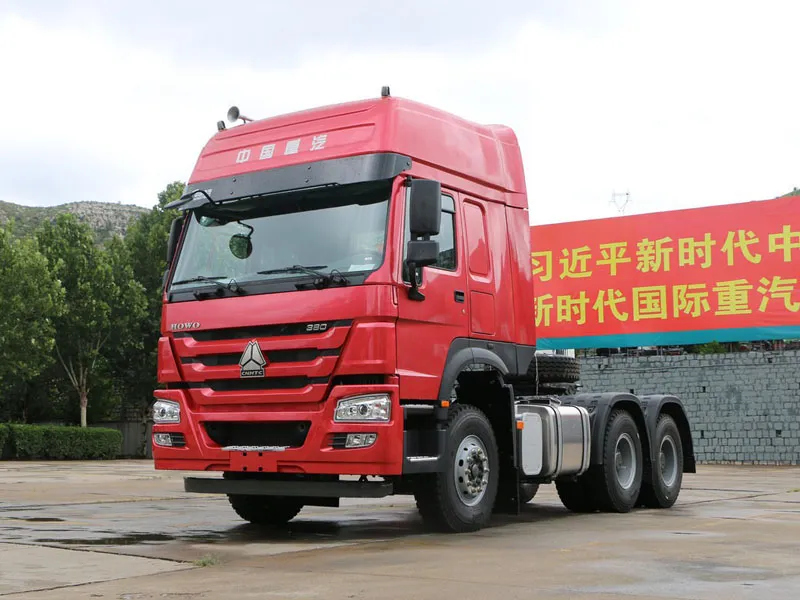
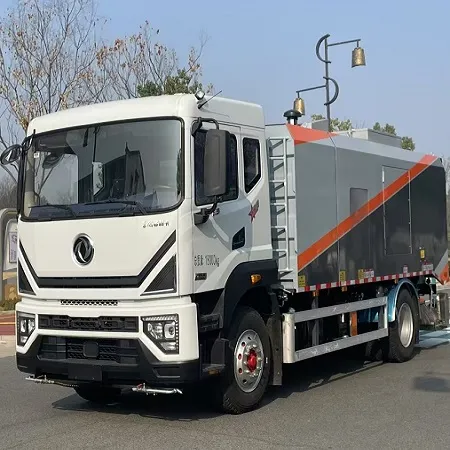
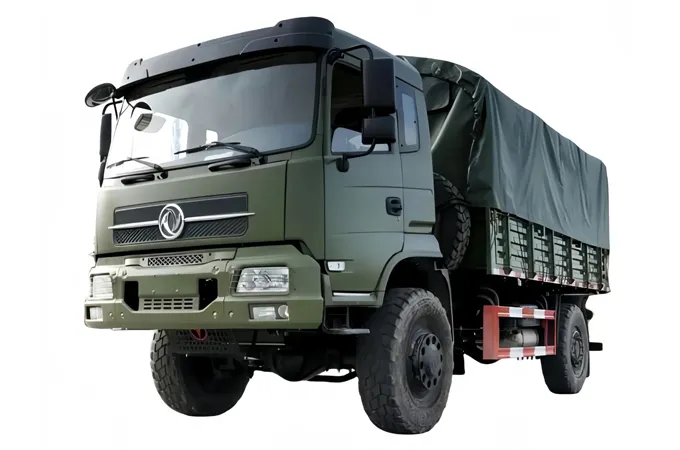
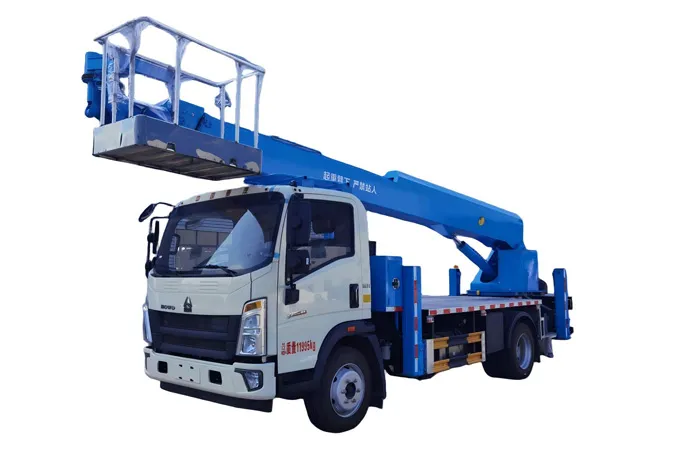
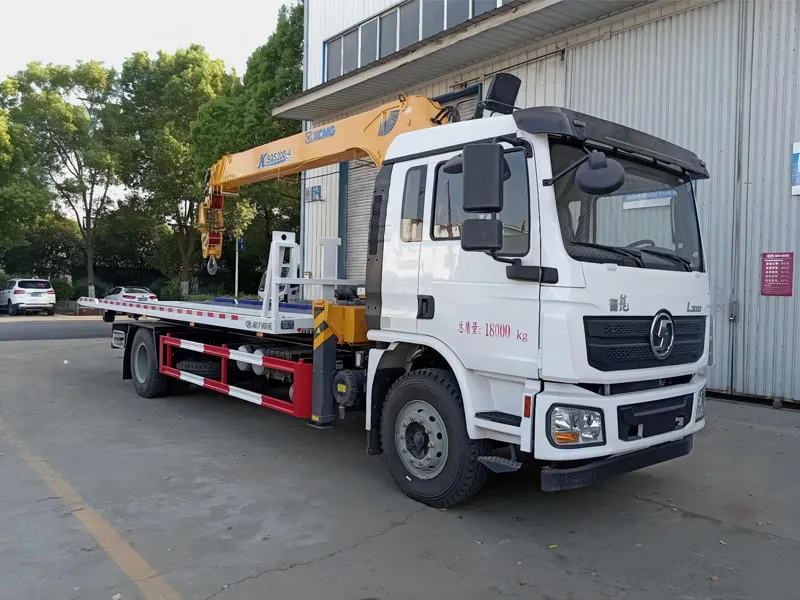
If you're searching for wrecker trucks for sale, the right choice depends on the types of vehicles you recover, your operating environment, and the recovery equipment you need. A professional wrecker truck should provide sufficient towing capacity, reliable hydraulic systems, and a durable chassis that matches your daily recovery tasks. Understanding these factors before purchasing helps improve efficiency, reduce maintenance costs, and maximize long-term return on investment.
Introduction
As vehicle ownership and commercial transportation continue to grow worldwide, demand for professional towing and recovery services has increased significantly. Whether responding to highway accidents, municipal parking enforcement, or heavy-duty truck breakdowns, operators rely on specialized recovery vehicles to complete the job safely and efficiently.
For many buyers, however, choosing among the various wrecker trucks for sale can be challenging. Different models are designed for different applications, and selecting the wrong configuration can result in reduced efficiency, unnecessary operating costs, or equipment that cannot handle real-world recovery tasks.
This guide explains how to evaluate a wrecker truck from a buyer's perspective, covering vehicle types, recovery equipment, chassis options, and purchasing considerations. Whether you are expanding an existing towing fleet or investing in your first recovery vehicle, understanding these fundamentals will help you make a more informed decision.
Why Choosing the Right Recovery Vehicle Matters
Purchasing a recovery vehicle is a long-term investment. Beyond the initial purchase price, buyers should consider productivity, maintenance costs, fuel efficiency, operator safety, and future business growth.
An undersized vehicle may struggle to recover larger commercial trucks, while an oversized unit could increase operating costs unnecessarily.
Selecting the appropriate wrecker truck ensures:
Faster roadside recovery
Improved operator safety
Lower equipment wear
Reduced maintenance expenses
Higher customer satisfaction
Greater fleet utilization
For companies providing roadside assistance, every minute saved during recovery can improve customer service while increasing daily operational capacity.
Recovery Equipment You Should Evaluate
Not all recovery vehicles are equipped with the same systems. Before comparing different wrecker trucks for sale, buyers should understand how each component affects operational performance.
| Equipment | Primary Function | Recommended Application |
|---|
| Hydraulic Winch | Pull disabled vehicles | Accident recovery |
| Underlift | Lift vehicle axles | Commercial towing |
| Wheel Lift | Lift passenger vehicles | Urban towing |
| Recovery Boom | Recover overturned vehicles | Highway rescue |
| Hydraulic Crane | Lift heavy equipment | Heavy-duty recovery |
How Much Towing Capacity Do You Need?
One of the most common purchasing mistakes is focusing only on the maximum towing capacity advertised by the manufacturer.
Instead, buyers should evaluate:
For example, a company recovering passenger vehicles within city limits has very different equipment requirements than a contractor responsible for recovering construction trucks operating in mining areas.
Selecting adequate capacity from the beginning reduces future replacement costs while improving overall productivity.
Choosing the Right Chassis
The chassis forms the foundation of every wrecker truck and directly affects durability, maintenance requirements, fuel efficiency, and resale value.
Popular export chassis options include:
Sinotruk
Shacman
Dongfeng
Foton
Isuzu
Each offers different payload capacities, engine options, and drivetrain configurations suitable for specific markets and applications.
When comparing chassis brands, buyers should consider:
A reliable chassis often provides greater long-term value than choosing the lowest purchase price.
Conclusion
Finding the best wrecker trucks for sale involves much more than comparing prices or reviewing specification sheets. The right recovery vehicle should match your daily operating requirements, future business plans, and local regulations while providing reliable performance over many years of service.
Before making a purchasing decision, evaluate the types of vehicles you recover, the recovery equipment you require, the chassis options available, and the level of technical support provided by the manufacturer. Paying attention to these factors helps maximize return on investment and ensures that your recovery fleet is prepared for a wide range of roadside and industrial applications.
As demand for professional towing and recovery services continues to grow worldwide, investing in a well-designed wrecker truck with the appropriate configuration can improve operational efficiency, enhance safety, and strengthen your competitive advantage.
FAQ
1. What recovery equipment should a wrecker truck have?
Most recovery vehicles include hydraulic winches, underlift systems, wheel lifts, recovery booms, safety lighting, and optional cranes. The ideal configuration depends on the intended application.
2. What is a heavy-duty wrecker truck used for?
A heavy-duty wrecker truck is designed to recover large commercial vehicles such as buses, tractor units, fuel tankers, dump trucks, concrete mixer trucks, and construction equipment.
3. How do I choose the right wrecker truck?
The right choice depends on the types of vehicles you recover, towing capacity requirements, operating environment, chassis preference, and the recovery equipment needed for your daily operations.