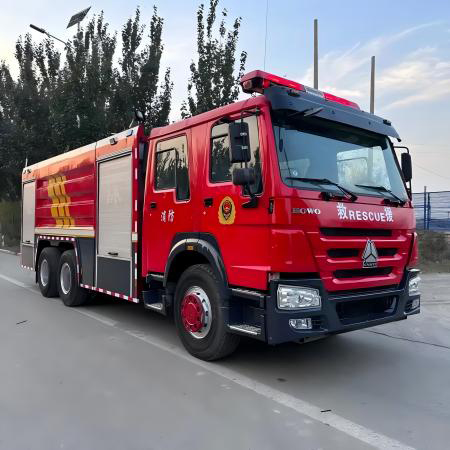
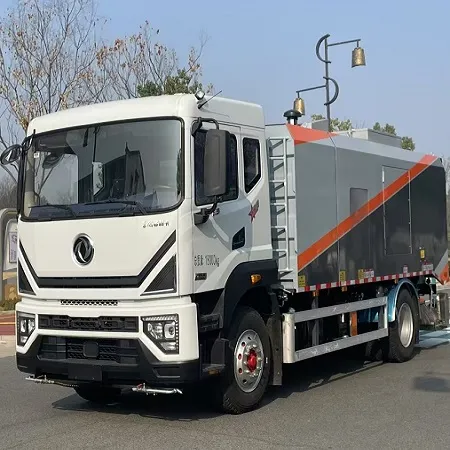
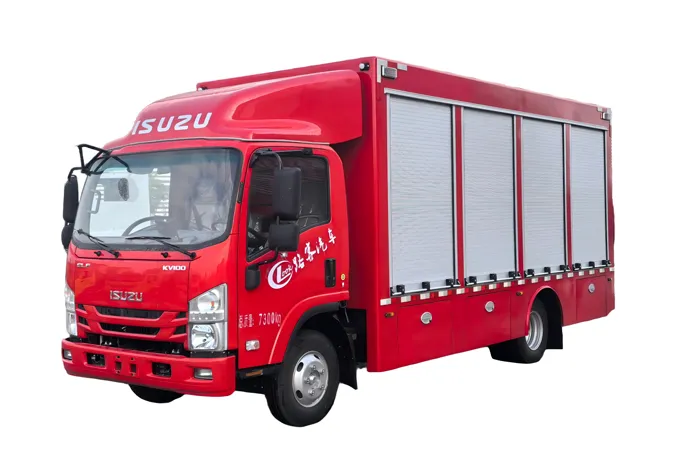
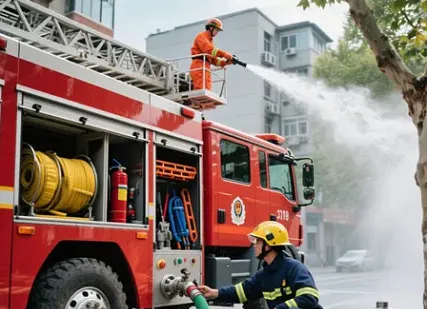
A foam fire truck is a specialized firefighting vehicle equipped with water tanks, foam concentrate tanks, foam proportioning systems, fire pumps, and discharge equipment designed to suppress fires involving flammable liquids and hazardous materials. Unlike standard water-based firefighting vehicles, foam fire trucks are specifically configured for environments where fuel, oil, chemicals, or industrial materials create high-risk fire scenarios.
For buyers operating oil terminals, chemical plants, refineries, warehouses, airports, or industrial facilities, selecting the right foam fire truck requires evaluating foam capacity, mixing systems, pump performance, chassis capability, and operational requirements. The best configuration depends on the type of fire risk, facility size, response distance, and required firefighting standards.
When Do You Need a Foam Fire Truck?
A foam fire truck is typically required when water alone cannot provide effective fire suppression.
Common applications include:
Oil and Gas Facilities
Oil refineries, fuel storage terminals, and gas processing plants face risks from:
Crude oil fires
Fuel tank fires
Pipeline incidents
Flammable liquid leaks
In these environments, specialized oil and gas trucks, including foam fire trucks and other emergency response vehicles, play a critical role in protecting personnel, infrastructure, and valuable assets. Foam systems create a protective blanket over flammable liquids, separating fuel from oxygen and significantly reducing the risk of re-ignition.
Chemical Plants
Chemical facilities often deal with combustible or hazardous materials that require specialized firefighting solutions.
Foam fire trucks are commonly used for:
Airports
Aircraft fuel fires require rapid suppression capability and large volumes of foam. Many airports use dedicated foam-equipped firefighting vehicles as part of their emergency response fleet.
Ports and Marine Facilities
Ports handling fuel, chemicals, and industrial goods often require foam fire trucks for cargo areas, storage zones, and emergency response operations.
Industrial Warehouses
Large warehouses storing flammable products may require foam capability to improve fire suppression effectiveness and protect valuable assets.
Key Features to Compare Before Buying a Foam Fire Truck
Choosing a foam fire truck requires more than comparing water tank capacity. Buyers should evaluate the complete firefighting system.
Foam Tank Capacity and Mixing Ratio
The foam system is the most important difference between a foam fire truck and a standard water fire truck.
A typical foam fire truck includes:
The correct foam capacity depends on:
Large industrial sites generally require higher foam storage capacity to support longer firefighting operations.
Foam Proportioning System
The foam proportioning system controls the mixing ratio between water and foam concentrate.
Common mixing ratios include:
The correct ratio depends on the type of foam concentrate and the fire hazard.
A reliable proportioning system ensures consistent foam quality and improves firefighting effectiveness during critical incidents.
Fire Pump Performance
Pump capacity determines how quickly foam solution can be delivered to the fire area.
Important specifications include:
Industrial firefighting applications usually require higher-capacity pumps because fires involving fuel or chemicals often cover large areas.
Fire Monitor Selection
A fire monitor is one of the most important components of a foam fire truck because it allows firefighters to deliver large amounts of foam solution from a safer distance.
Buyers should compare:
Flow Rate
Higher flow rates provide stronger suppression capability for large fuel fires.
Throw Distance
Longer range allows operators to maintain a safer position away from heat and hazardous materials.
Control Method
Available options include:
Remote systems are often preferred for high-risk industrial environments.
Chassis Configuration
The chassis must support the combined weight of water, foam concentrate, equipment, and firefighting systems.
4×2 Foam Fire Truck
Suitable for:
Advantages:
6×4 Foam Fire Truck
Commonly used for:
Oil terminals
Chemical plants
Large industrial sites
Advantages:
8×4 Foam Fire Truck
Recommended for:
These vehicles can carry larger quantities of water and foam concentrate for extended response.
How to Choose the Right Foam Fire Truck for Different Industries
Oil Refineries and Fuel Storage Facilities
Recommended features:
Large foam tank
High-flow pump
Large fire monitor
Heavy-duty chassis
The vehicle should be capable of handling large-scale flammable liquid fires.
Chemical Manufacturing Plants
Recommended features:
Airports
Recommended features:
High acceleration capability
Large foam capacity
High-performance monitors
Rapid response configuration
Industrial Parks
Recommended features:
Foam Fire Truck vs Water Tank Fire Truck
Both vehicles are important firefighting solutions, but they serve different purposes.
| Feature | Foam Fire Truck | Water Tank Fire Truck |
|---|
| Primary Application | Flammable liquid fires | General firefighting |
| Main Extinguishing Agent | Foam + water | Water |
| Suitable Fires | Oil, fuel, chemical fires | Buildings, vehicles, general fires |
| Foam System | Standard | Optional |
| Industrial Use | High | Medium |
| Airport Use | Common | Limited |
A water tank fire truck may be sufficient for general fire response, while foam fire trucks are preferred for environments involving combustible liquids and hazardous materials.
Conclusion
A foam fire truck is an essential firefighting solution for oil, gas, chemical, and industrial sites where flammable liquid fires present significant risks. Unlike standard firefighting vehicles, foam fire trucks combine water supply, foam systems, powerful pumps, and specialized monitors to improve suppression performance.
Before purchasing, buyers should carefully evaluate foam capacity, pump flow, chassis strength, fire monitor specifications, and operational requirements. The right configuration ensures faster response, improved safety, and long-term reliability in demanding industrial environments.
Frequently Asked Questions
1. What is a foam fire truck used for?
A foam fire truck is mainly used for fighting fires involving flammable liquids such as fuel, oil, chemicals, and industrial materials where water alone may not be effective.
2. What is the difference between a foam fire truck and a water tank fire truck?
A foam fire truck is equipped with foam concentrate tanks and proportioning systems for hazardous liquid fires, while a water tank fire truck mainly uses water for general firefighting.
3. How does a foam fire truck work?
A foam fire truck mixes water and foam concentrate through a proportioning system to create foam solution, which is discharged through hoses or fire monitors to suppress flames.
4. How much foam does a foam fire truck carry?
Foam capacity varies depending on application. Industrial and petrochemical facilities typically require larger foam tanks than municipal firefighting operations.
5. Which industries need foam fire trucks?
Common users include oil refineries, chemical plants, airports, ports, fuel terminals, mining operations, and industrial facilities.
6. Can a foam fire truck also spray water?
Yes. Most foam fire trucks can operate with both water and foam solutions depending on the fire situation.