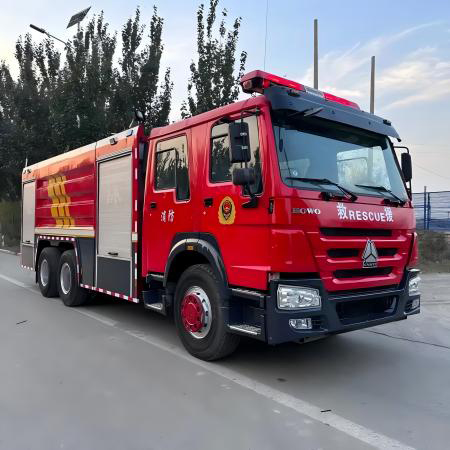
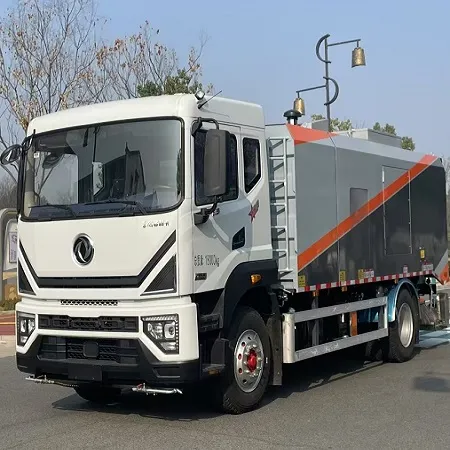
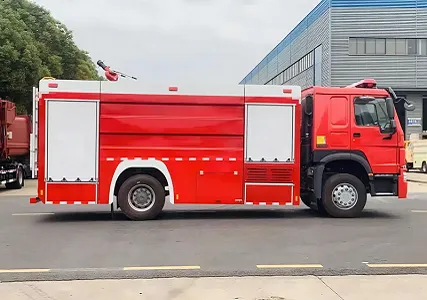
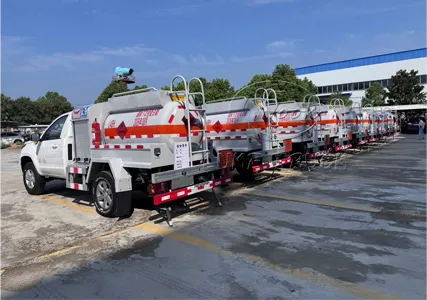
A water tank fire truck is a specialized fire truck equipped with an onboard water tank, fire pump, hose system, and fire monitor, allowing firefighters to begin suppression immediately upon arrival without relying on an external water source. These vehicles are widely used by municipal fire departments, industrial facilities, airports, ports, and emergency response organizations where a rapid initial attack is critical.
When choosing a water tank fire truck, buyers should focus on the complete firefighting system rather than water capacity alone. Tank size, pump flow, fire monitor performance, chassis configuration, and equipment layout all influence how effectively the vehicle performs in real emergency situations.
When Do You Need a Water Tank Fire Truck?
A water tank fire truck is suitable whenever rapid water deployment is required or hydrant access is limited.
Typical buyers include:
Municipal Fire Departments
Municipal fleets rely on water tank fire trucks as their primary response vehicles for residential, commercial, and vehicle fires.
Industrial Facilities
Factories, warehouses, logistics centers, and manufacturing plants often require dedicated firefighting vehicles capable of delivering large volumes of water before external support arrives.
Mining and Energy Companies
Mining sites and energy projects frequently operate in remote locations where hydrants are unavailable, making onboard water storage essential.
Ports and Airports
Large transportation hubs use water tank fire trucks to respond quickly to vehicle fires, fuel incidents, and infrastructure emergencies.
Rural Communities
Communities with limited water infrastructure benefit from vehicles capable of carrying sufficient water for initial fire suppression.
Key Features to Compare Before Buying a Water Tank Fire Truck
Selecting the right vehicle requires evaluating the complete firefighting system rather than comparing vehicle prices alone.
Choosing the Right Water Tank Capacity
Water capacity is one of the first specifications buyers compare, but the ideal size depends on operational requirements.
| Water Tank Capacity | Recommended Applications |
|---|
| 2,000–3,000 L | Urban response, residential areas |
| 4,000–6,000 L | Municipal fire departments |
| 6,000–8,000 L | Industrial facilities |
| 8,000–12,000 L | Rural firefighting and large industrial sites |
| 12,000 L+ | Water supply support and long-duration operations |
A larger tank extends firefighting time but increases vehicle weight and may reduce maneuverability. Buyers should balance water capacity with road conditions, payload limits, and response requirements.
Pump Flow: Why It Matters
A water tank alone cannot deliver effective firefighting performance without an appropriately sized pump.
Pump flow determines how quickly water can be delivered to hoses and fire monitors.
Typical pump capacities include:
| Pump Flow Rate | Suitable Applications |
|---|
| 20–30 L/s | Community and residential firefighting |
| 40–60 L/s | Municipal fire departments |
| 60–80 L/s | Industrial firefighting |
| 80 L/s and above | Airports, petrochemical facilities, and large industrial risks |
Higher pump flow improves firefighting efficiency but also requires a larger engine and more robust hydraulic systems.
Selecting the Right Fire Monitor
The fire monitor is responsible for delivering water or foam over long distances.
Buyers should evaluate:
Flow Capacity
Higher-capacity monitors provide greater extinguishing capability for large fires.
Throw Distance
Longer throw distances improve firefighter safety by allowing crews to operate farther from hazardous areas.
Rotation Angle
Wide horizontal and vertical movement increases flexibility during firefighting operations.
Manual or Remote Control
Modern water tank fire trucks may use:
Remote-controlled systems improve operator safety during hazardous incidents.
Chassis Selection
The chassis must support the combined weight of the water tank, pump system, equipment, and crew.
Common configurations include:
4×2 Chassis
Suitable for:
Urban firefighting
Municipal fleets
Narrow city streets
Advantages:
Lower operating costs
Better maneuverability
Easier maintenance
6×4 Chassis
Recommended for:
8×4 Chassis
Best suited for:
Very large water capacities
Long-duration firefighting
Water supply support vehicles
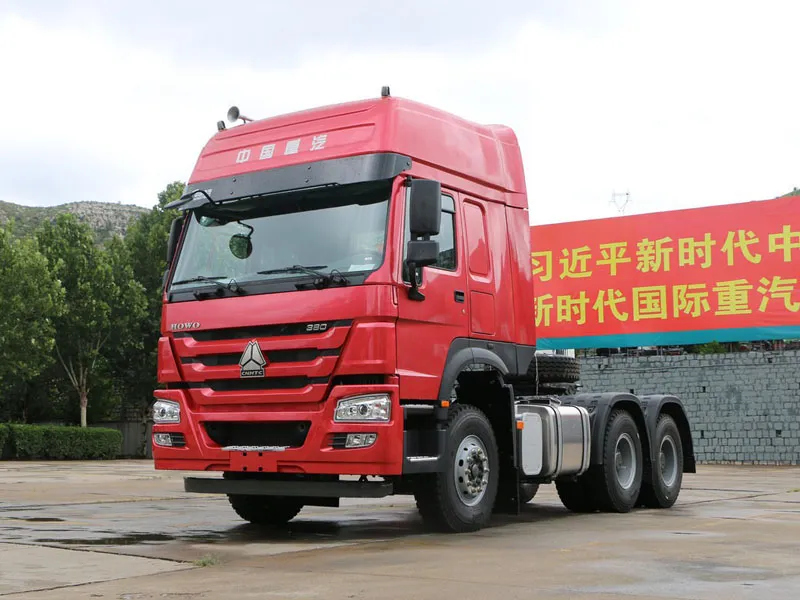
Many buyers choose a HOWO fire truck chassis for its strong payload capacity, reliable drivetrain, and global parts availability, while other commercial platforms may be preferred depending on local operating conditions.
Equipment Configuration
Besides the basic firefighting system, buyers should compare the onboard equipment supplied with each vehicle.
Typical configurations include:
Hose reels
Fire hoses
Portable nozzles
Breathing apparatus
Rescue tools
Ladders
Emergency lighting
Equipment compartments
Communication systems
A practical equipment layout improves operational efficiency and allows firefighters to access critical tools quickly.
Water Tank Material Options
The tank material affects durability, maintenance, and vehicle weight.
Carbon Steel
Advantages:
Stainless Steel
Advantages:
Aluminum Alloy
Advantages:
The best choice depends on operating environment, maintenance capability, and total ownership cost.
How to Choose the Right Water Tank Fire Truck
Choosing the Right Chassis Brand
Selecting a reputable chassis brand is just as important as choosing the correct tank size or pump capacity. For example, a Shacman water truck platform offers excellent payload capability and durability for municipal water transport and firefighting applications, while other commercial chassis may better suit specific operational or regional requirements. Buyers should compare engine performance, maintenance support, spare parts availability, and total lifecycle costs before making a final decision.
Before purchasing, buyers should evaluate the following factors.
Fire Risk
Consider the primary fire scenarios:
Water Availability
Areas with limited hydrants usually require larger onboard tanks.
Urban environments with reliable hydrant networks may prioritize vehicle mobility over maximum water capacity.
Response Distance
Longer travel distances generally justify larger tanks and higher-capacity pumps.
Fleet Integration
The new vehicle should complement existing firefighting equipment rather than duplicate capabilities.
Future Expansion
Consider whether future operational requirements may require:
Choosing a configurable platform allows future upgrades without replacing the entire vehicle.
Conclusion
A water tank fire truck is one of the most versatile firefighting vehicles available, but selecting the right model requires evaluating far more than tank capacity alone. Buyers should compare pump performance, fire monitor capability, chassis strength, equipment layout, and future operational requirements before making a purchasing decision.
By choosing a configuration that matches the expected firefighting environment, organizations can improve emergency response efficiency, reduce operating costs, and maximize the long-term value of their investment.
Frequently Asked Questions
1. What is a water tank fire truck?
A water tank fire truck is a firefighting vehicle equipped with an onboard water tank, fire pump, hose system, and fire monitor, allowing firefighters to begin fire suppression immediately upon arrival.
2. How much water should a water tank fire truck carry?
Typical capacities range from 2,000 to over 12,000 liters, depending on whether the vehicle is used for municipal, industrial, or rural firefighting.
3. Why is pump flow important?
Pump flow determines how quickly water can be delivered to firefighting equipment. Higher flow rates improve suppression efficiency, particularly during large industrial fires.
4. What is the purpose of a fire monitor?
A fire monitor projects high-volume streams of water or foam over long distances, allowing firefighters to suppress fires while maintaining a safe operating distance.